
Cotton rugs: types, care and uses
Cotton rugs are flatweave or low-pile designs made from natural plant fibre. They provide a soft, textured surface that is straightforward to vacuum. Many suit living rooms, bedrooms and dining spaces where a lightweight floor covering is preferred over thicker piles.
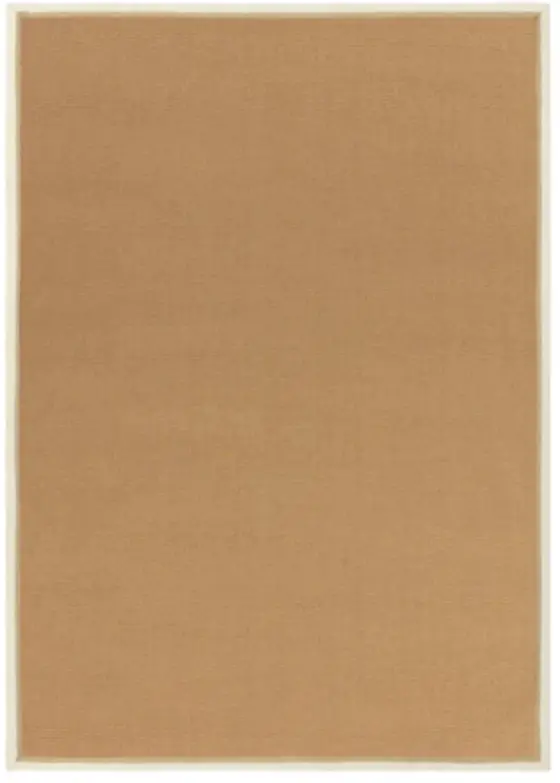
What are cotton rugs?
Cotton rugs are usually flatweave constructions with no pile or a very low profile. The yarns come from the cotton plant and are woven on looms to create soft, flexible floor coverings. Unlike wool rugs that have natural resilience or polypropylene rugs that resist stains but can flatten, cotton provides a softer hand feel and lies flat without curling at the edges.
In the UK most cotton rugs appear as boucle, herringbone or loop styles, sometimes with subtle patterns or borders. They are lighter than handmade rugs and easier to move when rearranging furniture. Cotton takes dye well, allowing varied colours.
Types of cotton rugs
Cotton rugs fall into three broad categories for home use.
Flatweave cotton
The most common type. These have no pile or low pile and work well as living room rugs or under dining tables because chairs slide easily and debris can be swept away.
Cotton blends
Some rugs combine cotton with other fibres for added durability or softness. These remain flatweave but can gain slight cushioning.
Textured cotton
Available in boucle, herringbone or looped finishes. These have a low profile and require more careful maintenance than smoother flatweaves.
Common UK sizes for cotton flatweaves include 120x170 cm for smaller rooms, 160x230 cm for standard living areas and 200x290 cm for larger layouts. Runners are typically 60-80 cm wide.
Texture and comfort underfoot
Cotton feels softer than jute or sisal. The natural fibre suits bedrooms where people walk barefoot. In a front-legs-on layout the rug should extend 15-30 cm beyond each end of the sofa; a 160x230 cm or 200x290 cm size usually works for a three-seater in most UK living rooms.
Leave 30-60 cm of floor visible around the rug in standard rooms, reducing to 20 cm in small spaces. Under a bed, position so 50-60 cm shows on each side for easy access. Cotton can feel less resilient than thicker wool rugs.
Compared with wool rugs, cotton is less resilient to crushing. It does not shed like new wool.
Care
Cotton can absorb moisture and may mark if over-wet. Small sizes can be vacuumed regularly. Larger rugs benefit from dry methods or professional cleaning.
- Vacuum regularly with a brushless head to avoid pulling fibres.
- Blot spills immediately; prompt action prevents marks.
- Rotate every six months to even out wear.
- Avoid direct sunlight for long periods to reduce fading.
- Do not use harsh chemicals or bleach.
Flatweave cotton is easier to keep clean than high-pile shaggy rugs or hand-tufted designs with glued backings. It tolerates more moisture than jute. Always check the specific care instructions on the product page.
Home applications
Cotton rugs suit several areas in a typical UK home.
Living rooms
A 160x230 cm or 200x290 cm flatweave placed front-legs-on creates a defined seating area without overwhelming the space.
Bedrooms
Place a cotton rug beside the bed or use a larger size that extends 50-60 cm beyond the bed frame on each side.
Dining rooms
Choose a size that allows 60 cm extra on all sides of the table so chairs remain fully on the rug when pulled out. Flatweave construction prevents pressure marks from chair legs.
Smaller cotton rugs also work in hallways, studies or as accent pieces. Their lightweight nature makes them practical for rented properties where heavy wool or large large rugs may be difficult to handle.
Choosing the right cotton rug
Consider traffic level, room size and colour. High-traffic areas benefit from tighter weaves and darker or patterned designs that hide marks. For low-traffic bedrooms, lighter plain or textured cotton works well.
Check the product page for exact material, pile height, construction and care symbols. Cotton rugs are generally more affordable than pure wool rugs.
Pair with plain rugs or modern designs for a contemporary look, or choose neutral tones such as cream, beige or grey that coordinate with most interiors.
| Room | Recommended size | Layout tip |
|---|---|---|
| Living room (standard) | 160x230 cm or 200x290 cm | Front legs of sofa on rug, 15-30 cm overhang |
| Small living room | 120x170 cm or 160x230 cm | Leave 20 cm floor border |
| Dining | Table size + 120 cm each dimension | Chairs stay on rug when pulled out |
| Bedroom | Bed size + 100-120 cm width | 50-60 cm visible each side |
Cotton flatweaves remain a practical choice for households that value softness, straightforward maintenance and natural fibre over deep pile luxury.
Frequently asked questions
Are cotton rugs suitable for homes with children and pets?
Flatweave cotton rugs are hard-wearing enough for family use. Spills must be blotted quickly. Their low profile prevents tripping and allows easy vacuuming of crumbs or pet hair.
How do cotton rugs compare to jute rugs?
Cotton feels softer and is more water-tolerant than jute. Many cotton rugs have a natural texture and grip on floors but require prompt attention to spills.
Can you machine wash a large cotton rug?
Small cotton rugs can sometimes be spot cleaned. Larger sizes are best kept dry or taken for professional cleaning. Always follow the care guidance on the individual product page and avoid excess moisture.
Do cotton rugs fade in sunlight?
Like most natural fibres, cotton can fade over time if placed in direct sun. Rotate the rug periodically and use window coverings during peak daylight hours to maintain colour.
Are cotton rugs good for dining rooms?
Flatweave cotton rugs perform well under dining tables. Chairs move smoothly, spilled food is easy to remove when blotted promptly and the rug lies flat without developing pressure marks from chair legs.
Shop the guide
-
 Colores Cloud Everest C011 Rug in Multicoloured
from £69.98
-
 Colores Cloud Jungle C009 Rug in Multicoloured
from £69.98
-
 Colores Cloud Magma C012 Rug in Multicoloured
from £69.98
-
 Colores Cloud Sunset C010 Rug in Multicoloured
from £69.98
Related guides
- Rug backings compared: latex, felt, cotton and jute
- Cotton vs Wool Rugs: Pros, Cons and Best Uses
- Loop pile rugs: pros, cons and care
- Small Rug Uses: 15 Smart Ways to Use Small Rugs in UK Homes
- Jute rugs: pros, cons and care
- All rug guides
Questions about a specific rug? Every product page lists the maker's size, material, pile height and care details. Delivery is free and tracked to England, Wales and mainland Scotland, and you have 14 days to change your mind. See delivery and returns.