
Flatweave vs Tufted Rugs: Differences Explained
Flatweave rugs have no pile so they sit flush to the floor, making them hard-wearing and easier to keep clean but less comfortable underfoot. Tufted rugs feature a raised pile for softness yet require more care to avoid crushing. The right choice depends on your room, foot traffic and how much maintenance you accept.
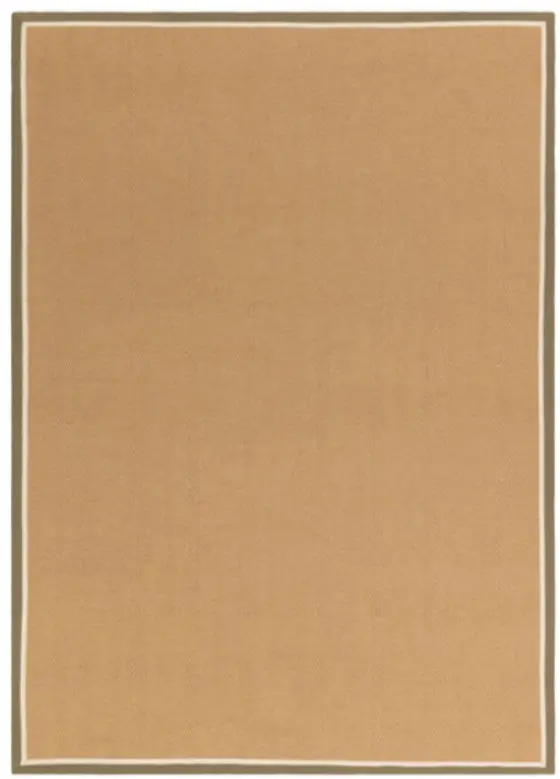
Construction and how they are made
Flatweave rugs are produced on a loom where warp and weft yarns are woven tightly together, creating a thin textile with no raised surface. This method produces kilims, dhurries and other flat constructions that lie completely flat against the floor.
Tufted rugs are made by punching loops or cut yarns through a backing fabric with a tufting gun or machine. A secondary backing is then glued on to hold the tufts in place. Because the backing relies on adhesive, these rugs cannot be washed in water without risk of delamination.
Hand-tufted versions allow greater design detail while power-loomed flatweaves deliver consistent patterns at lower cost. Both techniques appear across modern, abstract and traditional designs.
Pile height and underfoot comfort
Pile height is the clearest practical difference. Flatweave rugs usually measure around 4 mm thick, offering little cushioning but excellent stability for furniture. Tufted rugs range from 8 mm to 30 mm or more, providing noticeable softness that suits living rooms and bedrooms.
In a typical UK living room a 160x230 cm tufted rug under a three-seater sofa gives a comfortable front-legs-on layout while still showing 30-60 cm of floor around the edges. Flatweave rugs work better where you want a sleek look or need to move chairs freely, such as under a dining table.
Deeper pile adds warmth in winter but can feel too soft for households that prefer firm footing. A low-pile tufted wool rug strikes a balance for many buyers.
Durability and Wear
Flatweave rugs withstand heavy traffic better because there are no tufts to crush or shed. Jute flatweaves suit hallways and kitchens yet dislike water and can mark. Wool flatweaves combine resilience with natural soil-hiding properties.
Tufted rugs vary by material. Wool tufted rugs resist crushing better than polyester and recover more readily after furniture is moved. Recycled polyester tufted rugs offer good value but flatten over time in high-traffic zones.
Hand-tufted rugs with glued backings can develop ripples if the adhesive fails after years of use. Flatweaves avoid this problem entirely. For a long-lasting option under a dining table choose a flatweave or a low-pile wool tufted rug; both keep chair legs stable.
Cleaning and Maintenance
Flatweave rugs are simpler to maintain. Most can be vacuumed regularly and spot-cleaned with mild detergent. Because they have no pile they dry quickly after accidental spills and resist visible watermarks.
Tufted rugs demand more care. The glued backing makes them unsuitable for wet cleaning; professional cleaning is safest. Wool tufted rugs hide dirt well but new wool sheds for the first few months. Polyester tufted rugs tolerate spills better yet can develop permanent crush marks.
Rotate both types every six months to even out wear. In homes with pets or children, a flatweave or short-pile tufted recycled polyester rug reduces visible marks and simplifies cleaning.
Style and visual effect
Flatweave rugs deliver a minimalist, contemporary look that emphasises pattern and colour rather than texture. Herringbone jute or neutral flatweaves suit Scandi and modern interiors. Their low profile makes rooms feel larger.
Tufted rugs add depth and luxury. Cut-and-loop techniques create high-low patterns that hide footprints. Wool and viscose blends produce subtle sheen, while plain tufted rugs in cream or grey provide a soft base for layered schemes.
Many buyers combine both: a flatweave runner in a hallway and a tufted wool rug in the living room. Modern abstract designs appear in both constructions, letting you match style while choosing performance.
Choosing the right type for your room
Measure first. In most living rooms leave 30-60 cm of floor visible around the rug. Under a dining table allow 60 cm beyond each side so chairs remain on the rug when pulled out. For bedrooms the rug should extend 50-60 cm beyond each side of the bed.
High-traffic areas such as hallways and kitchens favour flatweave or low-pile tufted recycled polyester. Living rooms and bedrooms benefit from the comfort of a tufted wool pile. Small rooms can use either; a flatweave helps keep the space visually open.
Consider fibre too. Wool offers resilience and is more flame-resistant relative to synthetics but needs occasional vacuuming to manage initial shedding. Polypropylene tolerates moisture yet can flatten. Recycled polyester provides an affordable middle ground.
Wool rugs suit formal areas, while polypropylene rugs work well in family homes. Flatweave options appear in both natural fibres and synthetics.
| Aspect | Flatweave | Tufted |
|---|---|---|
| Pile height | Usually 4 mm | 8-30 mm+ |
| Comfort | Firm | Soft and cushioned |
| Durability in traffic | Excellent | Good if low pile and quality wool |
| Cleaning | Easier, tolerates water better | Spot clean only, avoid soaking |
| Best rooms | Dining, hall, kitchen | Living room, bedroom |
Both constructions appear in popular sizes such as 120x170 cm, 160x230 cm and 200x290 cm. Decide on traffic, comfort needs and cleaning tolerance before comparing specific designs.
Frequently asked questions
Are flatweave rugs easier to vacuum than tufted rugs?
Yes. With no pile to trap dirt, flatweave rugs vacuum quickly and thoroughly. Tufted rugs need slower passes to lift debris from the pile, and deeper piles can hide more dust. Regular vacuuming extends the life of both.
Do tufted rugs shed more than flatweave rugs?
Tufted wool rugs shed noticeably when new while flatweave wool rugs shed far less because the yarns are tightly woven rather than punched through a backing. Synthetic tufted rugs shed very little. Vacuum new wool tufted rugs frequently for the first few months.
Can you use a flatweave rug under a dining table?
Flatweave rugs work well under dining tables. Their thin profile keeps chairs stable and allows easy movement. Add at least 60 cm on every side so chairs stay fully on the rug when pulled out. Low-pile tufted rugs are the next best option.
Which lasts longer in a hallway: flatweave or tufted?
A flatweave rug generally lasts longer in a hallway because there are no tufts to crush underfoot. Choose a jute or wool flatweave for durability. If you prefer softness, select a low-pile tufted recycled polyester or wool rug.
Are tufted rugs suitable for homes with dogs?
Low-pile tufted recycled polyester rugs cope best with dogs. They resist staining and are easier to clean than deep-pile wool. Flatweave rugs also perform well but offer less cushioning. Avoid viscose blends as they watermark easily.
Shop the guide
-
 Colores Cloud Everest C011 Rug in Multicoloured
from £69.98
-
 Colores Cloud Jungle C009 Rug in Multicoloured
from £69.98
-
 Colores Cloud Magma C012 Rug in Multicoloured
from £69.98
-
 Colores Cloud Sunset C010 Rug in Multicoloured
from £69.98
Related guides
- Tencel rugs: sustainable fibre explained
- Seagrass rugs explained
- Rug pile density and weight explained
- Rug edges explained: binding, overlocking and fringes
- How rugs are made: construction types explained
- All rug guides
Questions about a specific rug? Every product page lists the maker's size, material, pile height and care details. Delivery is free and tracked to England, Wales and mainland Scotland, and you have 14 days to change your mind. See delivery and returns.