
Coastal Rug Style Guide: Beachy Looks for UK Homes
Coastal rugs use soft blues, sandy beiges, ivories and sea greens together with subtle stripes, abstract wave motifs or textured plains. These designs work by the sea or inland, pairing light colours with practical materials that tolerate UK damp and foot traffic. Choose low to medium pile constructions in wool or polypropylene for the best balance of comfort and easy care.
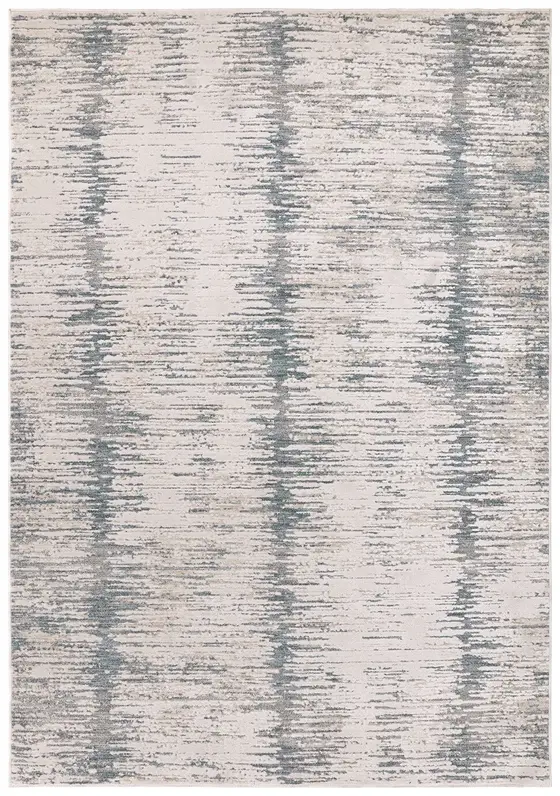
Colour palettes
British coastal style relies on a restrained palette drawn from the shoreline. Soft navy, sky blue and teal sit alongside sandy beige, warm cream and pale grey. These hues reflect natural light and make rooms feel larger, especially in smaller UK homes. Avoid bright primaries; instead layer muted tones that echo pebble beaches or driftwood.
For a classic Hamptons influence, combine ivory with medium grey and one accent of ocean blue. In living rooms a blue rug anchored under the front legs of a sofa creates a calm focal point. Bedrooms benefit from cream and ivory rugs that show 50-60 cm of floor on each side of the bed.
Practical tips for colour
- Light shades hide less dirt than deep colours but are easier to vacuum.
- Patterned designs in multicolour conceal marks better than solid plains.
- Test how the rug looks at different times of day; north-facing rooms need warmer beige tones to avoid feeling cold.
Patterns and Motifs
Coastal patterns are understated. Look for gentle geometric waves, abstract splashes, thin stripes or simple nautical knots rather than literal anchors or shells. A subtle abstract design such as the Colores Cloud Splash adds movement without overwhelming the room. Stripes running the length of a runner guide the eye and suit hallways.
In dining areas choose a low-pile patterned rug that extends 60 cm beyond the table on all sides so chairs remain on the rug when pulled out. For living rooms the front-legs-on layout works best with a 160x230 cm or 200x290 cm rug depending on sofa size and room scale. Leave 30-60 cm of floor visible around the edges in most rooms.
Materials for coastal rugs
Material choice affects both appearance and maintenance. Wool is naturally resilient and soil-hiding but sheds when new. Polypropylene is stain-resistant and water-tolerant but can crush and is not heat-resistant. Viscose is soft and shiny but water-sensitive and prone to crushing and watermarks.
Many modern coastal rugs blend polyester and polypropylene for durability and softness. Hand-tufted constructions provide a plush feel underfoot while machine-woven options deliver consistent patterns. Flatweaves suit minimalist schemes but offer less cushioning.
Check the product page for exact pile height, construction and care instructions. Wool rugs need periodic rotating to even out wear; polypropylene can be cleaned with mild detergent and water.
Room-Specific choices
Living rooms usually need a 160x230 cm rug for smaller spaces or 200x290 cm for larger sofas using a front-legs-on layout. A living room rug in beige and natural tones grounds neutral sofas and wooden floors. Dining rooms demand larger coverage so chairs stay on the rug; dining room rugs in low pile prevent tripping.
Bedrooms allow softer deeper piles. Place the rug so it extends 50-60 cm beyond each side of the bed. Bedroom rugs in cream or light grey add warmth under bare feet. Hallways suit runners 60-80 cm wide in durable polypropylene with striped or geometric patterns.
Popular coastal Rug collections
Several ranges suit the coastal aesthetic. The Anders collection offers space-dyed yarns in soft grey or blue. Kuza Portrait rugs in navy or beige provide subtle texture through their woven design. La Luna in light grey and off-white delivers a clean, modern coastal look in hard-wearing polypropylene.
For a touch of pattern the Romy Morse in blue or the Colores Cloud range introduce gentle abstract elements. These options are available in common UK sizes including 120x170 cm, 160x230 cm and 200x290 cm. Larger 200x300 cm versions suit open-plan living.
Maintenance and Care
Coastal homes face salt air and tracked sand. Vacuum regularly with a beater-bar-free cleaner to avoid damaging fibres. Polypropylene rugs can be spot cleaned with a mild solution; wool benefits from professional cleaning when heavily soiled. Rotate rugs every six months to prevent uneven fading from sunlight.
Blot spills immediately rather than rubbing. Avoid placing wool rugs near heat sources as fibres can become brittle. For homes with pets or children, choose medium pile polypropylene or tightly woven wool to reduce crushing and ease cleaning.
| Material | Pros | Cons |
|---|---|---|
| Wool | Resilient, soil-hiding, flame-resistant relative to synthetics | Sheds when new, dislikes prolonged moisture |
| Polypropylene | Stain-resistant, tolerates water, affordable | Can flatten, not heat-resistant |
| Polyester blends | Soft, colourfast, good value | Less resilient than wool under heavy use |
Always follow the care guidance on individual product pages. Free tracked delivery is available to England, Wales and mainland Scotland on every order. You have 14 days after delivery to change your mind.
Shopping the Look
Focus first on size. Measure your space and allow 30-60 cm of exposed floor in most rooms. Next decide on colour temperature: cooler blues and greys for true seaside feel, warmer beiges for inland cottages. Finally match pile height to use; low pile for dining, medium for living and bedrooms.
A plain or lightly textured rug in beige and natural pairs with almost any coastal scheme and is easy to keep clean. Those wanting subtle pattern can explore modern and abstract designs. Handmade options add character while machine-made rugs offer consistency and lower prices.
Frequently asked questions
What colours work best for a coastal rug in a UK home?
Soft blues, sandy beiges, ivories, sea greens and muted greys reflect British coastal light. These tones make rooms feel airy. Pair one main neutral with a single accent blue or green for a balanced, restful look that suits both seaside and inland properties.
Which materials are most practical for coastal homes?
Polypropylene handles moisture and spills well, important near the sea. Wool offers resilience and hides everyday dirt but requires more careful cleaning. Blends of polyester and polypropylene give softness and durability at a reasonable price. Check pile height and care instructions on each product page.
What size rug should go under a dining table?
The rug needs to extend at least 60 cm beyond the table on every side so chairs stay fully on the rug when pulled out. Measure your table and add 120 cm to both length and width. Low pile constructions prevent tripping and are easier to clean after meals.
Can coastal rugs work in inland homes?
Yes. The light colours and relaxed patterns bring a breezy feel to any UK property. Use cream or beige rugs in living rooms and soft blue accents in bedrooms. The same size rules apply: leave 30-60 cm of floor showing around the edges in average rooms.
How do I stop a coastal rug looking cold in a north-facing room?
Choose warmer beige, ivory or taupe bases rather than pure grey or cool blue. Adding a wool rug introduces natural texture that softens the space. Layer with warmer wall colours or wooden furniture to balance the light palette.
Shop the guide
-
 Amelie Lana Rug in Rust With Faded Blue Hues
from £29.98
-
 Atlas Shaggy Rug in Navy Blue
from £59.98
-
 Jasper Medallion Rug in Blue Cream
from £69.98
-
 Jasper Rug in Multicoloured
from £69.98
Related guides
- Traditional Rug Style Guide: Classic British and Heritage Looks
- Moroccan Beni Ourain Rug Guide: Style and Placement in UK Homes
- Industrial Rug Style Guide: Choosing Rugs for Loft-Style Homes
- Geometric Rug Style Guide: Patterns and Styling Ideas for UK Homes
- Rugs for homes with pets
- All rug guides
Questions about a specific rug? Every product page lists the maker's size, material, pile height and care details. Delivery is free and tracked to England, Wales and mainland Scotland, and you have 14 days to change your mind. See delivery and returns.