
Traditional Rug Style Guide: Classic British and Heritage Looks
Traditional rug styles feature repeating medallions, florals, borders and geometric patterns. These designs work in rooms with classic furniture because their balanced motifs and colours complement original features. For most UK homes a wool or wool-viscose rug in a 160x230 cm or 200x290 cm size placed with the front sofa legs on the rug and 30-60 cm of floor visible around the edges is a practical choice.
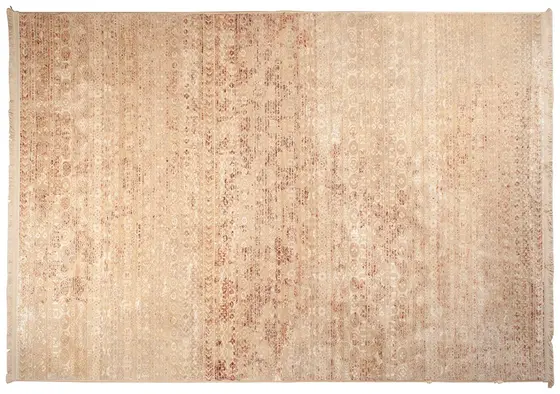
Key characteristics of traditional rugs
Traditional designs rely on symmetry. A central medallion is often surrounded by corner motifs and one or more borders. Common motifs include flowers, leaves, vines and occasional animals or urns. Colours tend toward deep reds, blues, creams, greens and golds. Pile height is usually low to medium (under 15 mm) so furniture sits level and the pattern remains visible.
In British homes these rugs are most often used in living rooms and dining rooms. A 160x230 cm rug suits smaller rooms or a two-seater sofa with front legs on the rug. A 200x290 cm or 200x300 cm rug is the standard choice for a three-seater sofa in a typical UK living room, leaving 30-60 cm of floor showing on all sides. Under a dining table add 60 cm on every side so chairs remain fully on the rug when pulled out.
Popular patterns and their British roots
Axminster-style rugs originated in Devon in the 18th century. They use cut pile with intricate floral or geometric repeats and were originally made on mechanical looms. Modern versions appear in both wool and synthetic constructions. Persian-style rugs, although inspired by Iranian designs, have been imported and adapted in Britain since Victorian times and remain a staple in heritage interiors.
Floral patterns suit rooms with traditional sofas and wooden furniture. Medallion designs give a formal centre to a room. Plaid and checked borders add a country-house feel. For a subtler look choose a rug with a faded vintage effect or a simple border on a plain field.
Wool traditional rugs
Wool is the classic fibre for these styles. It is resilient, hides dirt well and is relatively flame-resistant compared with many synthetics. New wool rugs shed for the first few weeks; regular vacuuming removes loose fibres. Wool-viscose blends add softness and slight sheen but the viscose portion is sensitive to water and can watermark or crush.
Look for wool rugs in traditional patterns. These hand-tufted designs deliver the traditional pattern while the wool content gives durability.
Synthetic alternatives for practical homes
Polypropylene and polyester rugs mimic traditional patterns at lower cost and with easier care. They tolerate spills better than wool or viscose and suit homes with children or pets. The trade-off is less resilience under heavy furniture and a tendency to flatten over time.
Machine-woven polypropylene or polyester blends replicate heritage looks. Both are available in sizes from 120x170 cm up to 200x300 cm.
Choosing colours for period properties
Deep reds and blues anchor a room with traditional mahogany or oak furniture. Cream and beige backgrounds make smaller rooms feel larger and hide dust better than pure white. Green rugs pair well with leather sofas and botanical prints. Grey versions of classic patterns update the heritage look for contemporary classic interiors.
In a bedroom a smaller traditional runner or 120x170 cm rug either side of the bed leaves about 50-60 cm of floor visible either side. For larger bedrooms a 160x230 cm or 200x290 cm rug placed under the lower two-thirds of the bed leaves a border of floor on three sides.
Caring for heritage-style rugs
Vacuum regularly with a beater-bar vacuum on wool rugs and without on viscose or shaggy styles. Rotate the rug every six months to even out wear. Address spills immediately: blot wool and polypropylene with a dry cloth; never rub viscose. Avoid placing heavy furniture on high-pile traditional designs for long periods as the pile can crush permanently.
Shop the traditional collection
The traditional rugs category contains designs that translate heritage patterns into modern constructions. Persian-style options offer rich detailing. For a more contemporary heritage feel a border design adds tip-sheared texture while keeping the classic border structure.
Smaller heritage-inspired pieces are useful in hallways. Runners 60-80 cm wide are the usual width; length should allow at least 15 cm clear at each end. Narrow sizes provide a restrained geometric pattern suitable for classic landings.
| Room | Recommended size | Layout rule |
|---|---|---|
| Living room (standard) | 200x290 cm | Front sofa legs on rug, 30-60 cm floor border |
| Living room (small) | 160x230 cm | Front sofa legs on rug, 30-60 cm floor border (20 cm in a small room) |
| Dining room | add 60 cm on every side of the table | 60 cm beyond each chair when pulled out |
| Bedroom | 160x230 cm or larger | about 50-60 cm visible either side of bed |
Traditional rugs remain relevant because the patterns were developed to last. A well-chosen wool medallion or floral design will still look appropriate when fashions have moved on. The key is matching the scale of the motif to the size of the room and the scale of the furniture. Large patterns need large rugs; small intricate designs suit smaller spaces or secondary rooms.
A traditional rug grounds the scheme in a Victorian, Edwardian or modern house with classic furniture. Combine it with plain walls and simple curtains so the rug provides the pattern. Avoid competing busy wallpapers.
Frequently asked questions
Are Axminster rugs still made in the UK?
Original Axminster looms still operate in Devon, but most Axminster-style rugs sold online are produced overseas using modern power looms. These capture the dense cut-pile look and intricate patterns at more accessible prices while retaining the classic British aesthetic.
What size traditional rug do I need for a three-seater sofa?
A 200x290 cm or 200x300 cm rug is the usual choice. Position it so the front legs of the sofa sit on the rug and the back legs remain on the floor. This leaves 30-60 cm of visible floor on all sides in a standard UK living room.
Do traditional wool rugs shed?
All new wool rugs shed for the first few weeks or months. Vacuum regularly with a beater-bar vacuum. The shedding gradually reduces and does not indicate poor quality. Wool's natural resilience means the rug will recover from foot traffic better than most synthetics.
Can I use a traditional rug in a modern room?
Yes. Choose a design with a restrained colour palette such as grey, cream or muted blue. A simple bordered medallion or faded Persian-style pattern can anchor a modern-classic scheme without looking dated. Pair with plain furniture and neutral walls.
How do I stop a traditional rug sliding on wooden floors?
A non-slip underlay cut to the rug size prevents movement and adds comfort. On hard floors the underlay also protects the rug backing. Never use rubber-backed underlays with viscose rugs as they can trap moisture.
Shop the guide
-
 Myrtle Avenue V Rug in Green
from £139.98
-
 Luca Rug in Sage Green
from £89.98
-
 Luca Rug in Brown
from £99.98
-
 Luca Rug in Denim & Blue
from £99.98
Shop all traditional & vintage
Related guides
- Persian and Oriental Rug Style Guide: Traditional Patterns for UK Rooms
- Coastal Rug Style Guide: Beachy Looks for UK Homes
- Vintage Distressed Rug Guide: How to Style Worn-Look Rugs
- How to Style a Striped Rug
- What size rug do I need? A room-by-room guide
- All rug guides
Questions about a specific rug? Every product page lists the maker's size, material, pile height and care details. Delivery is free and tracked to England, Wales and mainland Scotland, and you have 14 days to change your mind. See delivery and returns.