
Industrial Rug Style Guide: Choosing Rugs for Loft-Style Homes
Industrial rug style pairs hard-wearing, textural rugs with raw concrete, exposed brick and metal to soften loft spaces without losing their urban edge. Choose low-pile or flatweave constructions in neutral tones or subtle patterns that hide marks and stand up to heavy use. Wool or polypropylene rugs in 160x230 cm or 200x290 cm sizes work best for most UK living rooms, placed so 30-60 cm of floor remains visible around the edges.
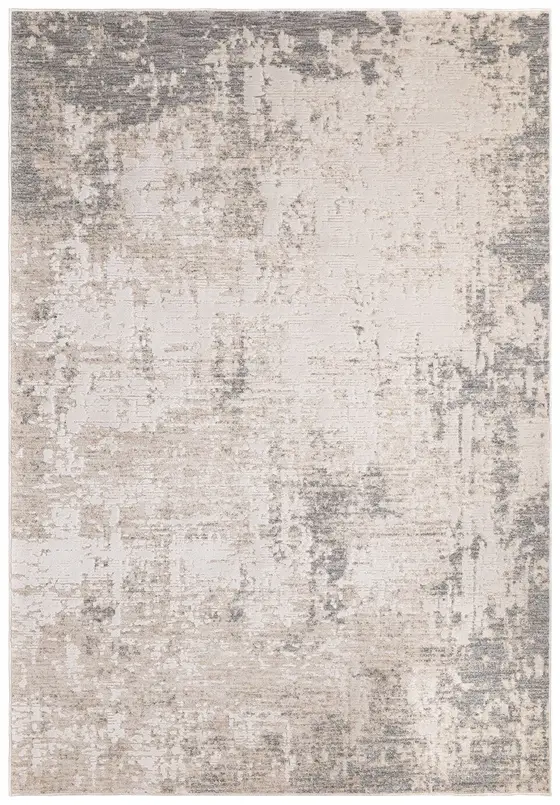
Key characteristics of industrial Rug style
Industrial interiors rely on materials such as reclaimed wood, steel beams and concrete floors. Rugs in this style therefore need to balance comfort with toughness. Low to medium pile heights prevent crushing under furniture while textured surfaces add warmth. Neutral palettes of grey, beige, cream and terracotta echo the raw surroundings, and subtle abstract or faded patterns maintain visual interest without competing with architectural features.
Durability matters in open-plan lofts where foot traffic is high. Materials that tolerate occasional spills and vacuuming reduce maintenance. Flatweaves and low-pile woven rugs suit hallways and kitchens; slightly deeper piles work under sofas provided they remain easy to clean.
Best materials for loft durability
Wool is naturally resilient and soil-hiding. It recovers well from flattening and feels warm underfoot. Polypropylene resists stains and moisture, making it practical near kitchens or entrances, although it can show crushing over time. Blends of polyester and polypropylene provide a balance of softness and strength for high-traffic areas.
Avoid water-sensitive fibres such as viscose in industrial settings where spills are likely. Jute dislikes water and can mark; sisal is harder-wearing but coarser. Reserve both for low-traffic zones.
For living rooms, wool rugs in neutral shades deliver comfort and longevity. In dining areas or kitchens, polypropylene rugs handle accidents better.
Choosing the right Rug size
Leave 30-60 cm of floor visible around the rug in most loft rooms; reduce to 20 cm in smaller spaces. Under a sofa the rug should extend 15-30 cm beyond each end. A front-legs-on layout works for the majority of UK living rooms: a 160x230 cm rug suits compact layouts while a 200x290 cm or 200x300 cm size accommodates a three-seater sofa with space for coffee tables.
Dining tables need at least 60 cm clearance on all sides so chairs remain fully on the rug when pulled out. In bedrooms the rug should extend 50-60 cm beyond each side of the bed. Runners 60-80 cm wide fit hallways and narrow loft corridors.
Measure twice before ordering. Common UK sizes include 120x170 cm for small zones, 160x230 cm for standard living rooms and 200x290 cm for larger open-plan areas.
Living room layouts
- Front legs of sofa and armchairs on the rug, back legs on the floor – practical and visually anchored.
- All furniture legs on the rug for a generous feel in larger lofts.
- Rug placed in front of sofa only, leaving floor exposed on other sides – suits minimalist schemes.
Colour and pattern choices
Grey, beige and natural tones blend with concrete and metal. Cream and ivory rugs brighten darker corners while still hiding everyday marks. Subtle multicoloured or abstract designs in terracotta, blue or burnt orange add depth without overwhelming the industrial palette.
Space-dyed yarns create tonal variation that disguises wear. Low-contrast patterns are easier to maintain than bold geometrics in high-traffic lofts. For a softer industrial look, layer a neutral plain rug under a smaller abstract piece.
Styling ideas for industrial lofts
Position a large neutral rug under the main seating area to define the living zone within an open-plan space. Pair with leather sofas and metal coffee tables. In bedrooms, place a low-pile rug so it extends 50-60 cm beyond the bed sides for easy movement.
Use runners in hallways to soften long concrete corridors. Under dining tables choose durable options that withstand chair movement. Add texture with a shaggy rug in a reading nook, provided the pile is not so deep that it traps debris.
Combine materials for interest: a flatweave jute base with a wool overlay creates contrast while keeping the raw aesthetic. Link to modern rugs for further abstract designs that suit this look.
Care and Maintenance
Vacuum regularly with a beater-bar-free cleaner to avoid damaging pile. Spot-clean spills immediately with mild detergent and minimal water; blot rather than rub. Rotate the rug every six months to even out wear.
Check product pages for specific care instructions listed under construction and care. Hand-tufted rugs have a glued backing that dislikes excessive moisture; machine-woven polypropylene tolerates damp wiping.
Recommended Rug types
Low-pile woven rugs in grey or beige provide the toughness industrial homes demand. Shaggy polypropylene options add softness underfoot in seating areas. Abstract and faded Persian-inspired designs introduce subtle pattern that complements exposed brick.
Explore large rugs for open-plan lofts, grey rugs for urban neutrality, or beige rugs to warm cooler schemes.
| Room | Recommended Size | Ideal Material | Pile Height |
|---|---|---|---|
| Living room | 160x230 cm or 200x290 cm | Wool or polypropylene | Low to medium |
| Dining area | Table width plus 120 cm | Polypropylene blend | Low pile |
| Bedroom | Bed width plus 100-120 cm | Wool or polyester | Medium |
Frequently asked questions
What pile height works best in industrial loft homes?
Low to medium pile (under 20 mm) resists crushing from heavy furniture and is easier to vacuum. Deeper shaggy rugs can be used in low-traffic seating areas but require more frequent cleaning to prevent trapped dirt.
Are wool rugs suitable for industrial style interiors?
Yes. Wool is resilient and hides soil well. Its subtle texture complements exposed brick and metal while providing warmth underfoot in converted warehouses or lofts.
How do I stop a rug from slipping on polished concrete?
Use a non-slip underlay cut slightly smaller than the rug. On concrete floors this prevents movement without adding height. Check individual product pages for recommended care and pairing suggestions.
Can patterned rugs work in minimalist industrial rooms?
Subtle abstract or faded designs in muted tones add interest without clashing. Avoid high-contrast patterns that fight with architectural details. Space-dyed or low-pile options integrate best.
What size rug should go under a dining table in a loft?
Add at least 60 cm on every side of the table so chairs stay fully on the rug when pulled out. Measure the table plus chairs in the pulled-out position before choosing from available sizes.
Shop the guide
-
 Myrtle Avenue V Rug in Green
from £139.98
-
 Myrtle Avenue IV Rug in Brown & Cream
from £79.98
-
 Myrtle Avenue III Rug in Brown & Cream
from £79.98
-
 San Francisco Rug in Sage Green & Neutral
from £69.98
Related guides
- Moroccan Beni Ourain Rug Guide: Style and Placement in UK Homes
- Geometric Rug Style Guide: Patterns and Styling Ideas for UK Homes
- Floral rugs: how to style them in modern homes
- Coastal Rug Style Guide: Beachy Looks for UK Homes
- Rugs for homes with pets
- All rug guides
Questions about a specific rug? Every product page lists the maker's size, material, pile height and care details. Delivery is free and tracked to England, Wales and mainland Scotland, and you have 14 days to change your mind. See delivery and returns.