
Chenille rugs explained
Chenille rugs are made from a soft, velvety yarn that gives a plush feel underfoot and a subtle sheen. The fabric is usually a blend of chenille and polyester, making the rugs affordable and comfortable for bedrooms or living rooms with light traffic. They offer good cushioning but can show crushing and are not as water-tolerant as polypropylene rugs.
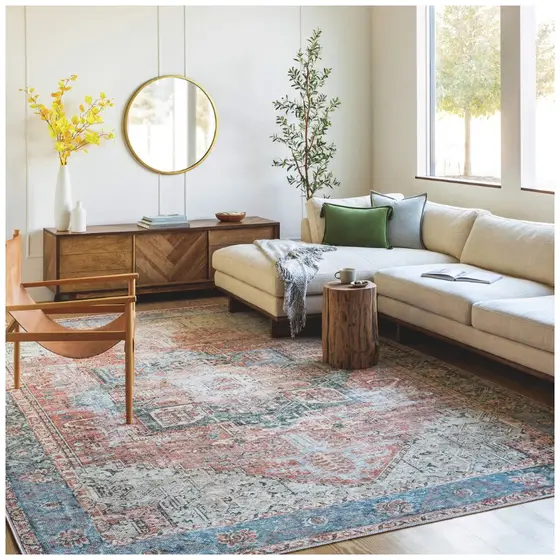
What is chenille?
Chenille is a yarn produced by cutting a fabric into narrow strips and then twisting or weaving those strips around a core. The result is a soft, caterpillar-like pile that feels luxurious. In rug making the chenille is almost always combined with polyester to improve strength and stability.
The finished surface has a directional pile that can appear to change shade when viewed from different angles. This effect is more pronounced in solid colours and gives chenille rugs their characteristic depth. Pile heights are typically low to medium.
Chenille versus other fibres
Compared with wool, chenille-polyester blends are less resilient and do not spring back as well after compression. Wool rugs hide marks better and tolerate occasional spills without permanent damage. Polypropylene rugs are more stain-resistant and cope with moisture far better, but they lack the soft hand-feel of chenille. Viscose rugs share the sheen but are even more sensitive to water and foot traffic.
For households wanting softness on a budget, chenille offers a middle ground. It is softer than most polypropylene but cheaper than hand-tufted wool. The trade-off is shorter lifespan in high-traffic areas and greater care when cleaning.
Pros and cons of chenille rugs
Advantages include a plush texture that feels warm, a gentle lustre that catches light nicely, and prices that suit most budgets. The low to medium pile is easy to vacuum and does not trap as much dust as longer shaggy rugs. Many designs come in neutral tones that work with modern or traditional interiors.
Disadvantages are equally clear. The pile crushes easily under furniture legs and recovers slowly. Water can cause permanent marking or flattening because the chenille yarn absorbs moisture unevenly. In homes with pets or young children the surface may show wear faster than a sturdy flatweave or low-pile polypropylene option. They are also less flame-resistant than wool.
- Soft and comfortable under bare feet
- Affordable compared with wool rugs
- Wide range of plain and subtle patterned designs
- Low to medium pile is straightforward to maintain
- Prone to pile crushing and watermarking
- Not suitable for kitchens, bathrooms or heavy traffic
- Can shed slightly when new
- Requires prompt attention to spills
Choosing the right size and layout
Follow the same rules as for any rug. In living rooms leave 30-60 cm of floor visible around the edges. The rug should extend 15-30 cm beyond each end of the sofa. A front-legs-on layout works for most UK rooms: a 160x230 cm rug suits smaller spaces while a 200x290 cm or 200x300 cm size is better under a three-seater sofa. Under dining tables allow 60 cm on every side so chairs remain on the rug when pulled out. In bedrooms the rug should show roughly 50-60 cm on either side of the bed.
Common UK sizes for chenille designs include 120x170 cm, 160x230 cm and 200x290 cm. Runners are less common in chenille because the soft pile is not ideal for hallways.
Living room rugs in chenille work well when the room has moderate use. For larger spaces see our range of large rugs or specifically 200x290 cm rugs.
Care and cleaning
Vacuum regularly with a suction-only cleaner; avoid beater bars that can damage the soft chenille loops. Rotate the rug every few months to even out wear. Blot spills immediately with a dry cloth then dab gently with a barely damp cloth. Never rub or soak the area. Professional cleaning is recommended for stubborn marks because domestic wet cleaning can cause permanent flattening or shading.
Avoid placing chenille rugs in direct sunlight for long periods; the polyester component can fade. Do not use in rooms where moisture is common. If a rug must go under a dining table, choose a low-pile version and protect high-traffic zones with a clear mat under chairs.
Product pages list exact pile height, construction and care instructions. Always check these before purchase.
Chenille in different rooms
Bedrooms are the ideal location. The soft pile feels pleasant when you step out of bed and the lower traffic means crushing is less noticeable. Cream, beige and grey tones pair well with bedding. Bedroom rugs in neutral shades are particularly popular.
In living rooms chenille works if the area is not a main walkway. Place the rug under the main seating area rather than across the entrance to the room. Modern abstract patterns can add texture without overwhelming the space; see our modern rugs selection.
Dining rooms and kitchens are usually unsuitable. Spills are inevitable and the water-sensitive nature of chenille makes maintenance difficult. For these areas polypropylene or flatweave rugs are a more practical choice.
Alternatives to consider
If crushing or water sensitivity is a concern, look at polypropylene rugs for their stain resistance and tolerance of moisture. Wool rugs offer better resilience and natural soil-hiding properties but cost more. For a similar soft feel with greater durability, some recycled polyester designs perform well. Hand-tufted wool and viscose blends give a luxurious look but require similar careful handling to chenille.
Our wool rugs and polypropylene rugs provide practical options when chenille is not the right fit. Plain textured rugs can achieve a similar calm aesthetic without the maintenance demands.
| Fibre | Softness | Water tolerance | Resilience | Best for |
|---|---|---|---|---|
| Chenille-polyester | High | Low | Medium | Bedrooms, light-use living rooms |
| Wool | Medium-high | Medium | High | Living rooms, family spaces |
| Polypropylene | Medium | High | Medium | Kitchens, dining rooms, high traffic |
| Viscose blends | High | Very low | Low | Low-traffic decorative areas |
Shopping tips for chenille rugs
Check the exact fibre blend on the product page. Higher polyester content usually improves durability. Look at the pile height: lower piles (under 10 mm) crush less. Examine the backing; a firm, flexible latex or woven backing helps the rug lie flat. Buy the largest size that fits your space so the rug anchors the room properly.
Consider colour carefully. Darker shades hide marks better but can show lint. Lighter neutrals enlarge the feel of a room but show wear sooner. Test the rug in your lighting if possible; the directional pile changes appearance throughout the day.
Frequently asked questions
Are chenille rugs suitable for homes with dogs?
Chenille-polyester rugs can work in low-traffic bedrooms but are not ideal for homes with dogs. The soft pile shows claw marks and crushing quickly. Spilled water or muddy paws can leave permanent marks. A low-pile polypropylene or tightly woven wool rug is usually a more practical choice.
How do I remove a watermark from a chenille rug?
Blot the area immediately with absorbent paper. Once dry, gently dab with a cloth barely dampened with a mild detergent solution. Avoid rubbing. If the watermark remains, professional cleaning is the safest option. Prevention is better: lift furniture legs onto coasters and deal with spills straight away.
Do chenille rugs shed?
Light shedding is common in the first few weeks as loose fibres work their way out of the yarn. Vacuum regularly with a suction-only head. Shedding should reduce after a month. Excessive or continued shedding usually indicates poor manufacturing or heavy wear.
Can you put furniture on chenille rugs?
Yes, but heavy items will leave noticeable indentations. Use furniture cups or coasters under legs to spread weight. Rotate the rug occasionally and fluff the pile by hand or with a soft brush. In high-traffic areas it is better to choose a denser, lower-pile construction.
Is chenille warmer than polypropylene?
Chenille feels warmer and softer underfoot because of its plush texture. Polypropylene is cooler and firmer. In bedrooms and living rooms where people sit or walk barefoot, the difference in comfort is noticeable.
Shop the guide
-
 Colores Cloud Gardenia CO01 Outdoor Rug in Multicoloured
from £69.98
-
 Colores Cloud Ethereal CO03 Rug in Multicoloured
from £69.98
-
 Colores Cloud Galactic CO04 Rug in Multicoloured
from £69.98
-
 Colores Cloud Digital CO05 Rug in Multicoloured
from £69.98
Shop all plain & textured rugs
Related guides
- Tencel rugs: sustainable fibre explained
- Seagrass rugs explained
- Rug pile density and weight explained
- Rug edges explained: binding, overlocking and fringes
- Rug materials explained: wool, jute, viscose, polypropylene and more
- All rug guides
Questions about a specific rug? Every product page lists the maker's size, material, pile height and care details. Delivery is free and tracked to England, Wales and mainland Scotland, and you have 14 days to change your mind. See delivery and returns.