
Can You Put Heavy Furniture on a Rug?
Heavy furniture such as sofas, dining tables and beds can leave dents in a rug that may not fully recover. Low-pile wool or polypropylene rugs cope better than high-pile or viscose styles. The key is choosing the right construction, rotating the rug and using furniture cups or coasters where possible.
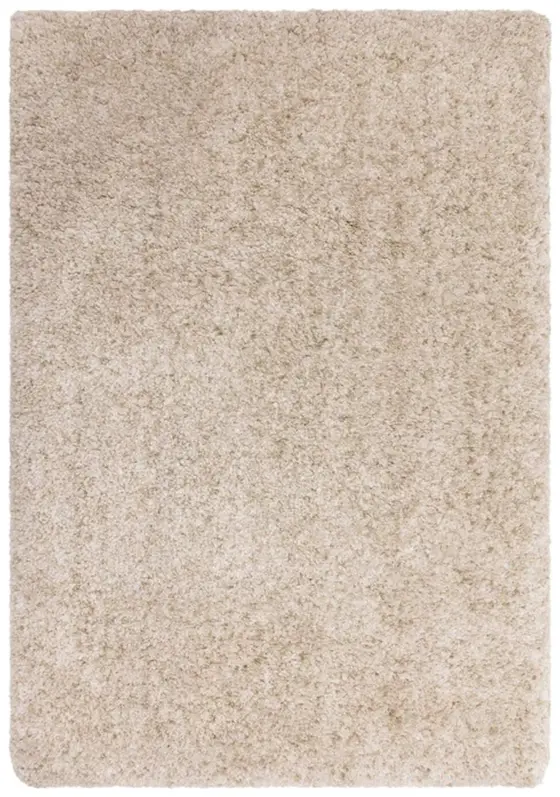
Why heavy furniture leaves dents
Constant pressure compresses the pile and can distort the backing. Deep dents are more common on thick, soft or hand-tufted rugs. Flatweaves and low-pile machine-woven rugs show less marking. In most UK living rooms a 160x230 cm or 200x290 cm rug under a three-seater sofa experiences concentrated weight from the back legs, so recovery depends on the material and pile height.
Best rug types for heavy furniture
Wool rugs recover well because the natural fibre is resilient. Polypropylene rugs tolerate weight and are easy to keep clean but can flatten over time. Avoid viscose (including bamboo silk) under heavy items; it crushes easily and watermarks. Jute dislikes sustained pressure and can mark. For living rooms, living room rugs in low pile or medium pile wool give the best balance. In bedrooms, a rug that extends 50-60 cm beyond each side of the bed works well if it is low pile.
Practical ways to protect your rug
- Use wide furniture cups or coasters under sofa and table legs to spread the load.
- Rotate the rug every three to six months so dents do not set in one area.
- Choose a rug 15-30 cm longer than the sofa on each end for a front-legs-on layout.
- Under dining tables allow 60 cm all round so chairs stay on the rug when pulled out.
- For bedrooms keep the rug centred with about 50-60 cm showing on each side of the bed.
These steps reduce permanent marking on both wool rugs and polypropylene rugs.
Room-specific advice
Living rooms
A 200x290 cm rug suits most three-seater sofas in a front-legs-on layout. In smaller rooms a 160x230 cm rug works if you leave 20 cm of floor showing around the edges. Large rugs in plain or textured wool hide marks better than patterned styles.
Dining rooms
The rug must extend 60 cm beyond the table on every side so chairs remain on it when pulled out. Low-pile or flatweave constructions are easiest to keep clean under dining chairs.
Bedrooms
Place the rug so it shows 50-60 cm on each side of the bed. A low-pile or plain rug reduces the chance of deep dents from bed legs.
Material comparison for heavy use
| Material | Resilience to weight | Recovery after moving furniture | Best for |
|---|---|---|---|
| Wool | Good | Usually recovers | Living rooms, bedrooms |
| Polypropylene | Very good | Moderate | High-traffic areas |
| Viscose blend | Poor | Slow or none | Light-use only |
| Jute | Fair | Can mark permanently | Low-traffic bedrooms |
Hand-tufted rugs have a glued backing that can be affected by point loads, while machine-woven polypropylene options spread weight more evenly.
When it is better to avoid a rug
Very heavy items such as solid oak dining tables on a high-pile shaggy rug almost always leave lasting dents. In these cases it is safer to use a hard floor protector or choose a very low-pile or flatweave rug from the low pile rugs range. If the furniture will never be moved, consider placing the rug only in the surrounding area rather than directly underneath.
Frequently asked questions
Do furniture cups damage rugs?
Wide, flat furniture cups or coasters spread weight and usually prevent deep dents. Avoid narrow metal cups that can cut into the pile or backing. Check them every few months and clean any trapped fibres.
How long do dents last in a wool rug?
Most wool rugs recover within days or weeks once the furniture is moved, especially if the pile is low to medium. Deep dents in hand-tufted wool and viscose blends can take longer or remain visible.
Can I put a heavy sofa on a polypropylene rug?
Yes. Polypropylene copes with weight better than viscose. It may flatten slightly over time but is easier to keep clean than natural fibres and recovers reasonably when the sofa is shifted.
Should I use a rug pad under heavy furniture?
A thin, firm rug pad can help by cushioning and distributing weight. Thick pads increase the risk of the furniture sinking and creating deeper dents. Check the product page for recommended care.
Will moving furniture regularly damage the rug?
Occasional movement is better than leaving heavy items in one place. Dragging furniture can pull fibres or damage the backing, so lift rather than slide. Rotating the rug helps even out any compression.
Shop the guide
-
 Amelie Lana Rug in Rust With Faded Blue Hues
from £29.98
-
 Atlas Shaggy Rug in Emerald Green
from £59.98
-
 Atlas Shaggy Rug in Gunmetal Grey
from £59.98
-
 Atlas Shaggy Rug in Ivory Cream
from £59.98
Related guides
- Can You Use Rug Doctor on Wool Rugs?
- Can rugs go on wet floors?
- Can a Rug Cause Damp or Mould on the Floor Underneath?
- Rugs on vinyl and LVT floors: what to check
- Rugs and underfloor heating
- All rug guides
Questions about a specific rug? Every product page lists the maker's size, material, pile height and care details. Delivery is free and tracked to England, Wales and mainland Scotland, and you have 14 days to change your mind. See delivery and returns.