
Rugs for Victorian Terraces: Period Features, Draughts and Original Floors
Rugs for a Victorian terrace must balance warmth against cold draughts from original floorboards while respecting high ceilings, fireplaces and period proportions. Choose low to medium pile wool or polypropylene that sits flat, leaves 30-60 cm of floor visible around the edges in most rooms, and extends 15-30 cm beyond furniture. Neutral tones and subtle patterns complement original features without competing with them.
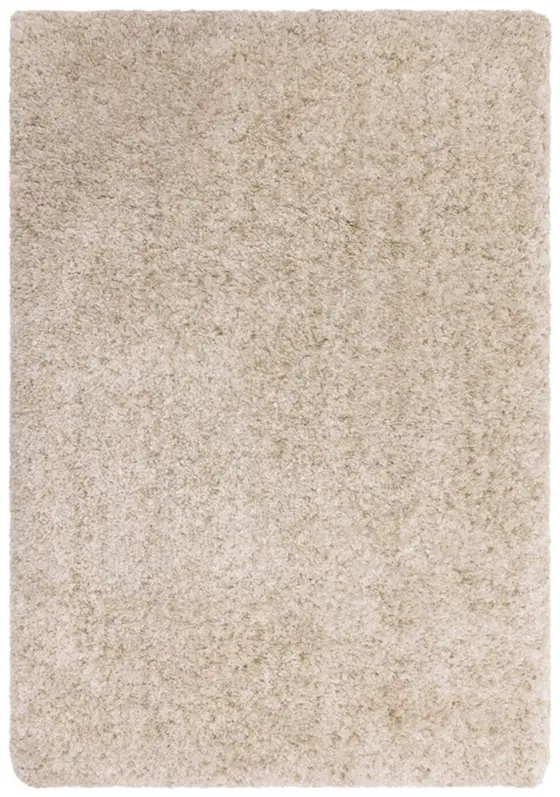
Choosing materials for period homes
Victorian terraces often have wooden floorboards that move with temperature changes and let in draughts from beneath. Wool rugs offer natural resilience and help disguise minor soiling. They also lie flatter than many synthetics on uneven boards.
Polypropylene rugs tolerate occasional spills near fireplaces and are easier to keep clean, though they can flatten over time in high-traffic areas. Avoid viscose in rooms with potential water exposure or heavy footfall, as it marks easily and crushes. For hallways, low-pile flatweaves or machine-woven options reduce tripping hazards on narrow runners.
Wool rugs suit living rooms where warmth and durability matter. Polypropylene rugs work well in dining areas where crumbs and drinks are common.
Pile height considerations
Keep pile under 15 mm in rooms with frequent movement to prevent doors catching and to maintain a clean line against skirting boards. Higher piles add softness underfoot but collect more dust near open fireplaces. High-low pile designs can hide uneven floors better than uniform shag.
Room-Specific layouts for Victorian spaces
In living rooms with bay windows and fireplaces, position the rug so it extends 15-30 cm past each end of the sofa. A front-legs-on layout works for most UK terraces: the front sofa legs rest on the rug while the back legs remain on the floorboards. Common sizes are 160x230 cm in smaller rooms and 200x290 cm for larger sitting rooms with high ceilings.
Under dining tables, allow at least 60 cm beyond each side so chairs remain fully on the rug when pulled out. This prevents scraping on original boards. In bedrooms, place the rug to show 50-60 cm of floor on either side of the bed for visual balance against tall ceilings.
Living room rugs in neutral shades complement original cornicing. Dining room rugs in practical fibres handle regular use near fireplaces.
Dealing with draughts and cold floors
Original Victorian floorboards often have gaps that allow cold air to rise. A rug alone reduces perceived cold underfoot but does not block draughts completely. Layering a low-pile rug over a felted underlay (not sold here) can help, yet many homeowners simply choose denser weaves that sit tightly against the boards.
Wool naturally insulates better than thin synthetics. In rooms with working fireplaces, select flame-resistant fibres such as wool rather than polypropylene near the hearth. Cream, beige and grey tones hide ash marks better than darker shades that show every speck.
Large rugs minimise exposed floor and reduce draughts across bigger rooms. Beige and natural rugs blend with worn floorboards and stone fire surrounds.
Styles that suit period features
Subtle patterns and medallions echo Victorian tiling without overwhelming original fireplaces or ceiling roses. Abstract designs in muted colours work if the pattern scale matches room proportions. Plain textured rugs highlight architectural details rather than compete with them.
Hand-tufted or machine-woven constructions with short pile sit flat on boards that may not be perfectly level. Avoid thick shaggy rugs in narrow hallways typical of terraces, as they can impede door swing and collect dust.
Link to plain and textured rugs or modern abstract designs that respect heritage proportions.
Size guide for typical Victorian terraces
Most mid-terrace living rooms measure around 3.5-4.5 m wide. Leave 30-60 cm of floor showing around the rug edges in standard rooms, reducing to 20 cm in very small spaces. Runners 60-80 cm wide suit hallways while allowing clearance for doors.
Common sizes that fit Victorian proportions include 120x170 cm for smaller seating areas, 160x230 cm for standard living rooms and 200x290 cm for larger front rooms with bay windows. Measure twice and allow for the chimney breast when placing near fireplaces.
| Room | Recommended Size | Layout Tip |
|---|---|---|
| Living room (standard) | 160x230 cm or 200x290 cm | Front legs of sofa on rug, 30-60 cm border to walls |
| Dining room | 200x290 cm or larger | 60 cm beyond table and chairs on all sides |
| Bedroom | 160x230 cm beside bed | 50-60 cm showing either side of bed |
| Hallway | Runner 80 cm wide | Leave clearance for door swing |
160x230 cm rugs and 200x290 cm rugs are the most useful sizes for typical Victorian layouts.
Maintenance in period homes
Regular vacuuming removes grit that can damage both rug fibres and original boards. Rotate rugs every six months to even out wear from doorways and high-traffic paths. Near fireplaces, spot-clean ash promptly with a dry brush before it grinds in.
Wool rugs shed initially but settle within weeks. Polypropylene options resist stains but can show crushing in areas of constant use. Check product pages for exact care instructions listed under each rug.
Practical colour choices
Neutral palettes in cream, beige, stone grey and soft blue complement original floorboards, plasterwork and fireplaces. These tones disguise minor marks from coal fires or pets common in period properties. Avoid pure white near working hearths.
Subtle pattern rugs break up large expanses of floor without clashing with Victorian detailing. Green and blue accents pick up tones from original tiles or stained glass if present.
Frequently asked questions
Should I use a rug pad on original Victorian floorboards?
A thin felted pad can reduce slippage and minor draughts without trapping moisture that might affect boards. Many owners in period homes choose not to use one under low-pile rugs to maintain a flatter appearance against uneven floors. Always check compatibility with your specific boards.
What rug size works best in a typical Victorian living room?
For most mid-terrace sitting rooms, a 160x230 cm or 200x290 cm rug allows the front legs of a three-seater sofa to sit on the rug while leaving 30-60 cm of floor visible around the perimeter. This respects high ceilings and original proportions.
Are wool rugs suitable near fireplaces in Victorian homes?
Wool is more flame-resistant than many synthetics and disguises ash marks well. Keep the rug at least 30 cm from an open fire and choose low to medium pile so embers are easier to spot and remove. Always follow safety guidelines for open fires.
How do I stop rugs moving on polished floorboards?
Low-pile wool or tightly woven polypropylene rugs tend to stay in place better than high-pile options. Some owners add small grippers at corners, but test first to avoid damage to original boards. Heavier rugs are less likely to shift.
What colours hide marks from coal fires best?
Beige, stone grey, cream and soft natural tones mask light ash and dust better than dark or bright colours. Subtle patterns also help disguise minor soiling common in Victorian properties with working fireplaces.
Shop the guide
-
 Amelie Lana Rug in Rust With Faded Blue Hues
from £29.98
-
 Atlas Shaggy Rug in Emerald Green
from £59.98
-
 Atlas Shaggy Rug in Gunmetal Grey
from £59.98
-
 Atlas Shaggy Rug in Ivory Cream
from £59.98
Related guides
- Rugs for Period Cottages with Stone Floors
- Rugs for wooden floors: protection, grip and style
- Rugs on vinyl and LVT floors: what to check
- Rugs for tiled floors: warmth, comfort and noise reduction
- What size rug do I need? A room-by-room guide
- All rug guides
Questions about a specific rug? Every product page lists the maker's size, material, pile height and care details. Delivery is free and tracked to England, Wales and mainland Scotland, and you have 14 days to change your mind. See delivery and returns.