
Rugs for Period Cottages with Stone Floors
Rugs for period cottage stone floors need to cope with uneven surfaces and occasional spills. Natural fibres such as wool or jute in neutral tones work with low to medium pile heights that sit comfortably without tripping hazards. In most cottages a 160x230 cm or 200x290 cm rug placed in front-legs-on position under sofas leaves 30-60 cm of stone visible around the edges, preserving the rustic look.
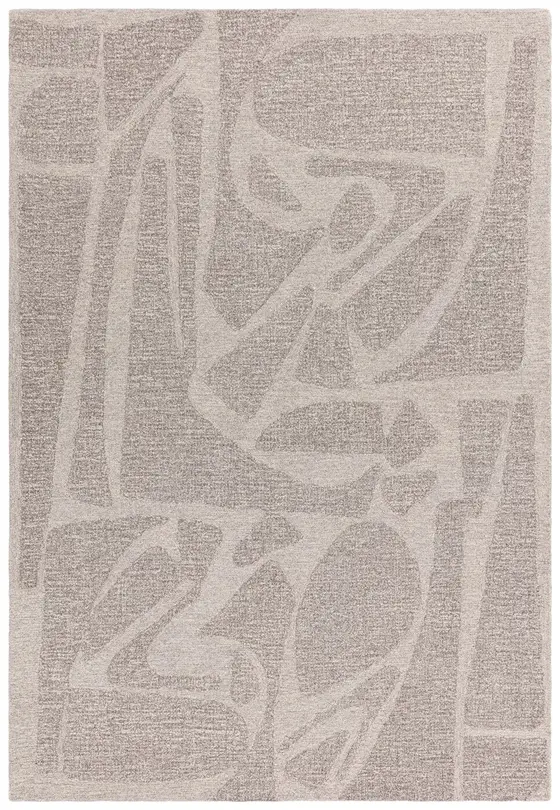
Choosing the right materials for stone floors
Stone floors in period cottages stay cold underfoot for much of the year. Wool offers natural resilience and recovers from foot traffic more readily. Jute and sisal flatweaves add texture that complements uneven flagstones without trapping dirt in deep pile.
Polypropylene rugs tolerate moisture well and resist stains, useful near external doors or kitchens. However they can flatten over time on hard surfaces. Viscose blends deliver a soft sheen but mark easily with water and crush under furniture legs, making them less suitable for heavy-traffic cottage living rooms.
A wool and jute blend such as the Korra Loop Jute Rug in Linen Cream Wool gives the best of both: softness from wool with the hard-wearing structure of jute. Pure wool options like the Loxley Wool Rug in Stone Grey provide classic warmth in neutral shades that sit quietly against stone.
Material decision checklist
- Wool: resilient, recovers from foot traffic, sheds when new
- Jute: natural texture, dislikes water, can show marks on light colours
- Polypropylene: stain-resistant, water-tolerant, can crush and is not heat-resistant
- Avoid deep viscose pile near doors or kitchens
Size and placement rules for cottages
Leave 30-60 cm of stone floor visible around the rug in most rooms; reduce to 20 cm only in very small spaces. This keeps the stone as a design feature rather than hiding it. Under a sofa the rug should extend 15-30 cm beyond each end. Front-legs-on layout works for the majority of UK living rooms.
A 3-seater sofa usually pairs with a 200x290 cm rug for front-legs-on placement, or 160x230 cm in smaller cottages. Under dining tables allow 60 cm on every side so chairs remain fully on the rug when pulled out. In bedrooms the rug should show about 50-60 cm on either side of the bed.
For hallways and narrow spaces, runners 60-80 cm wide in jute or low-pile wool prevent trips on uneven flags. See our range of 160 x 230 cm rugs and 200 x 290 cm rugs for common cottage dimensions.
Style and colour choices for rustic interiors
Neutral shades in cream, beige, stone and soft grey allow the stone floor and original beams to remain the focus. Subtle patterns or herringbone textures add interest without clashing with aged walls and wooden furniture. Avoid high-contrast modern abstracts unless the cottage has been updated with contemporary elements.
Earth tones such as sage, ochre and warm brown echo traditional cottage palettes. The Bordo Herringbone Jute Rug in Khaki Cream introduces gentle pattern that complements uneven surfaces. For living rooms the Reef Big Zig RF02 Wool Rug in Ochre Grey offers understated geometry in natural wool.
Plain textured rugs in wool or wool-viscose blends create a calm backdrop. Check plain and textured rugs and beige and natural rugs for suitable options.
Practical considerations on flagstones
Uneven stone requires rugs with some flexibility. Flatweaves and low-pile hand-tufted designs conform better than thick rigid carpets. A non-slip underlay (not sold here) helps prevent movement on polished or slightly sloping flags. Handmade wool rugs often have more give than machine-made polypropylene.
Spills happen near kitchen doors or log burners. Polypropylene or tightly woven wool cleans more easily than loose jute. New wool rugs shed for the first few weeks; regular vacuuming on a hard-floor setting removes loose fibres without damaging the stone.
Pile height matters. Low pile (under 10 mm) reduces trip risk on irregular surfaces. Medium pile around 10-15 mm adds cushioning without excessive crushing. The Opulence Shaggy Rug in Sage Green at approximately 30 mm works in low-traffic bedrooms but may flatten in busy areas.
Living room rugs that suit period cottages
Most cottages benefit from a large central rug that defines the seating area while exposing stone borders. Wool rugs in stone grey or neutral tones anchor traditional sofas and armchairs. The Barnaby Wool Rug in Graphite delivers durable plain texture.
For families, a polypropylene option such as the Colores Cloud Magma C012 Rug in Multicoloured tolerates muddy boots and occasional damp better. Its machine-woven construction lies flat on flagstones with minimal preparation.
Explore our living room rugs and wool rugs to find pieces that balance comfort and practicality.
Bedroom and kitchen applications
In bedrooms a rug either side of the bed softens cold floors for bare feet. Low-pile or flatweave designs prevent bunching under bed legs. A 160x230 cm rug often suffices, leaving generous stone margins. In smaller cottages a pair of smaller rugs works better than one large piece.
Kitchen runners or mats need water tolerance. Polypropylene or tightly woven jute near sinks and cookers resists marks. Keep pile low to avoid catching on chair legs or creating cleaning difficulties. See kitchen rugs for suitable hard-wearing options.
| Room | Recommended size | Best material | Pile height |
|---|---|---|---|
| Living room (standard) | 160x230 cm or 200x290 cm | Wool or wool/jute | 8-12 mm |
| Small living room | 120x170 cm | Wool | Low to medium |
| Bedroom | 160x230 cm or smaller beside bed | Wool or polypropylene | Under 15 mm |
| Kitchen runner | 68x240 cm | Polypropylene or jute | Flatweave 4-6 mm |
Period cottages reward careful rug choices that respect original features. Neutral wool and jute rugs in appropriate sizes deliver warmth and comfort without compromising the character of stone floors.
Frequently asked questions
Do I need a non-slip underlay on stone floors?
Yes. Flagstones are hard and often slightly uneven or polished. A suitable non-slip underlay prevents rugs from sliding and improves comfort underfoot. It is especially useful on sloping cottage floors or near external doors.
How do I clean a wool rug on a stone floor?
Vacuum regularly using the hard-floor setting. Blot spills immediately with a dry cloth. Avoid soaking the rug. Allow the rug to dry completely before replacing on the stone.
Will a jute rug mark on damp flagstones?
Jute dislikes prolonged moisture. On occasionally damp stone it can develop watermarks or darken. Use a good barrier underlay and lift the rug if the floor is washed. In very damp cottages polypropylene may prove more practical than natural jute.
What size rug works best in a small period cottage living room?
A 160x230 cm rug usually fits well with front-legs-on sofa placement, leaving 30 cm or more of stone visible on all sides. In very compact rooms a 120x170 cm option may be sufficient. Measure the seating area and allow for the recommended margins before ordering.
Are shaggy rugs suitable for cottages with stone floors?
Only in low-traffic bedrooms. Deep shaggy pile can look dramatic but traps dirt, flattens on hard surfaces and creates trip hazards on uneven flags. Low to medium pile wool or flatweave designs are far more practical for general cottage use.
Shop the guide
-
 Caruso Wool Rug in Brown
from £274.98
-
 Henley Wool & Viscose Rug in Silver
from £169.98
-
 Henley Wool & Viscose Rug in Sand
from £169.98
-
 Henley Wool & Viscose Rug in Sage
from £169.98
Related guides
- Rugs for Victorian Terraces: Period Features, Draughts and Original Floors
- Rugs for wooden floors: protection, grip and style
- Rugs on vinyl and LVT floors: what to check
- Rugs for tiled floors: warmth, comfort and noise reduction
- What size rug do I need? A room-by-room guide
- All rug guides
Questions about a specific rug? Every product page lists the maker's size, material, pile height and care details. Delivery is free and tracked to England, Wales and mainland Scotland, and you have 14 days to change your mind. See delivery and returns.