
Rugs for laminate floors: practical choices that stay in place
Low-pile polypropylene or polyester rugs paired with a non-slip rug gripper suit laminate floors in UK homes. These fibres tolerate occasional spills, are easier to keep clean and will not scratch the surface when moved. Machine-woven options with pile height under 10 mm stay stable on smooth laminate.
Why laminate needs the right rug
Laminate floors are hard, smooth and easily marked by moisture or sharp edges. A rug that slides can create scratches or trip hazards, while one that traps water can leave permanent marks. Practical rugs for laminate must therefore combine grip, low pile and tolerant fibres. In most UK living rooms a 160x230 cm or 200x290 cm rug works well when placed with front sofa legs on the rug, leaving 30-60 cm of floor visible around the edges.
Polypropylene rugs lead the way because they tolerate occasional spills and resist crushing better than viscose. Wool offers resilience but needs a denser weave and good gripper to stop movement. Avoid high-pile shaggy rugs on laminate; they shift easily and are harder to vacuum around chair legs.
Best materials for laminate floors
Polypropylene is the most practical choice. It is stain-resistant, tolerates damp cleaning and will not watermark. A low pile of 5-10 mm keeps the rug stable and prevents it catching under doors. Polyester and recycled PET perform similarly. Blends of polypropylene and polyester add softness without losing durability.
Wool rugs feel warmer underfoot and hide dirt well, but they can shed when new and dislike heavy moisture. Use them only with a full non-slip underlay. Viscose looks luxurious yet marks easily with water and crushes on hard floors, so it is rarely ideal for laminate. Jute and sisal can scratch laminate if they have stiff fibres or loose edges.
For a living room, polypropylene rugs in neutral tones give years of service with minimal fuss. Bedrooms benefit from slightly softer polyester options that still stay flat.
How to keep rugs in place on laminate
A dedicated rug gripper or non-slip underlay is essential. Cut the gripper to 5 cm smaller than the rug on all sides so it does not show. On larger rugs, two strips under the longest edges often suffice. In high-traffic areas such as hallways, choose a full underlay sheet rather than tape.
- Measure the rug and floor area first.
- Clean the laminate thoroughly before laying the gripper.
- Check edges every few months; laminate movement or humidity can loosen adhesion.
- For dining rooms, ensure the rug extends 60 cm beyond the table on all sides so chairs remain on the rug when pulled out.
A 120x170 cm rug suits smaller rooms with 20 cm of floor showing around it. Larger 200x290 cm or 200x300 cm rugs work for open-plan spaces.
Room-by-room choices
Living room
A 160x230 cm rug fits most UK sofas with front legs on the rug and 15-30 cm extending past each end. Opt for a low-pile polypropylene design in grey or beige that coordinates with existing furniture. Machine-woven construction keeps the rug flat and easy to vacuum.
Bedroom
Place a rug so it shows about 50-60 cm on either side of the bed. Low-pile or flatweave styles reduce bulk underfoot while a polyester or wool blend adds softness. Cream and beige tones brighten smaller bedrooms.
Dining room and kitchen
Choose easy-clean polypropylene rugs that tolerate crumbs and occasional spills. A rug under the table must allow chairs to stay fully on it when pulled out. Kitchen runners 60-80 cm wide work beside counters but always pair them with gripper tape.
Choosing the right size
Common UK sizes are 120x170 cm for small living areas, 160x230 cm for standard sofas and 200x290 cm or 200x300 cm for larger layouts. In a compact room reduce the border to 20 cm of visible floor. Always measure twice: add the required overhang to furniture dimensions before ordering.
Low-pile rugs in these sizes stay flatter on laminate than thicker alternatives. Check the product page for exact pile height and construction before purchase.
Maintenance tips for laminate rugs
Vacuum regularly with a hard-floor setting to avoid scratching. Spot-clean spills immediately with a mild detergent and dry thoroughly. Rotate the rug every six months to even out wear. Polypropylene options can be rolled if needed, while wool benefits from prompt attention when heavily soiled.
Avoid steam cleaners on laminate or the rug backing. For hand-tufted rugs, the glued backing can soften with excess water, so blot rather than rub.
| Room | Recommended size | Ideal pile height | Best material |
|---|---|---|---|
| Living room (standard) | 160x230 cm | 5-10 mm | Polypropylene or polyester |
| Living room (large) | 200x290 cm | Under 10 mm | Polypropylene |
| Bedroom | 160x230 cm | Low pile | Wool or polyester |
| Dining | Table + 60 cm each side | Flat or low | Polypropylene |
These measurements give a starting point; adjust for your exact layout while leaving adequate floor border.
Recommended rugs for laminate
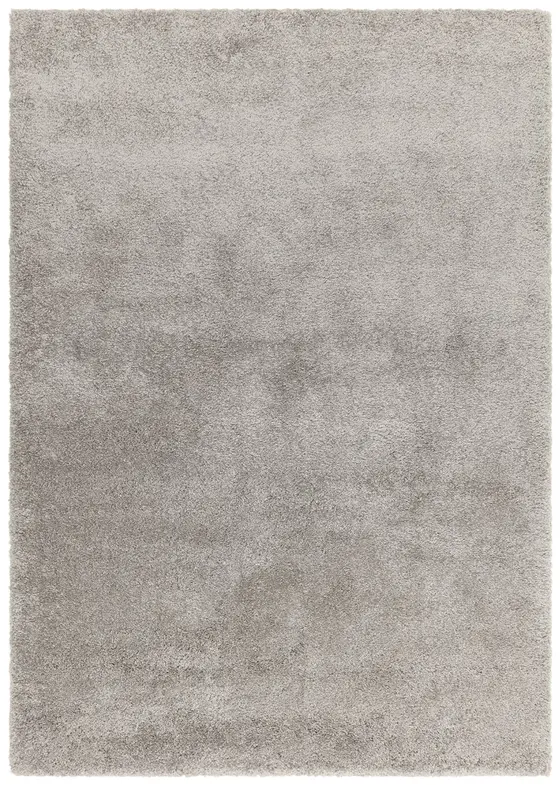
The low pile rugs and polypropylene rugs in neutral shades perform best. For colour, options in grey or blue add interest without high maintenance. In living rooms subtle patterns work while beige suits minimalist schemes.
Hand-tufted recycled polyester rugs provide softness at an affordable price and stay flat on laminate when correctly gripped. Wool options suit bedrooms where warmth is welcome.
Explore the full selection of living room rugs, beige rugs or grey rugs to match your décor. A rug under £100 can still deliver years of practical service on laminate when chosen carefully.
Frequently asked questions
Can you put any rug on laminate flooring?
Not every rug is suitable. High-pile, viscose or loose-weave rugs slide easily and can mark the surface with trapped moisture. Low-pile polypropylene or polyester rugs with a proper non-slip underlay are the safest choice for UK laminate floors.
What is the best non-slip rug pad for laminate?
A thin rubberised rug gripper or felt-backed underlay cut 5 cm smaller than the rug works best. It prevents movement without trapping moisture. Avoid thick pads that create a trip edge on hard floors.
Do wool rugs damage laminate floors?
Wool rugs themselves do not scratch laminate, but they must be paired with a full non-slip underlay. Their natural resilience helps them stay in place better than many synthetics, although they require prompt cleaning if spilled on.
Should rugs be placed under dining chairs on laminate?
Yes. The rug must extend at least 60 cm beyond the table on every side so chairs remain fully on the rug when pulled out. This prevents scratches to the laminate and reduces noise from moving chairs.
How do you stop a rug curling on laminate?
Choose machine-woven low-pile rugs that lie flat from the start. Allow new rugs to acclimatise in the room for 24 hours before fitting gripper. If edges still lift, add small pieces of gripper tape underneath the corners.
Shop the guide
-
 Atlas Shaggy Rug in Emerald Green
from £59.98
-
 Atlas Shaggy Rug in Gunmetal Grey
from £59.98
-
 Atlas Shaggy Rug in Ivory Cream
from £59.98
-
 Atlas Shaggy Rug in Natural
from £59.98
Related guides
- Rugs on vinyl and LVT floors: what to check
- Christmas Hosting Rugs: Festive Looks That Protect Your Floors
- Rugs for wooden floors: protection, grip and style
- Rugs for Victorian Terraces: Period Features, Draughts and Original Floors
- Kitchen rugs and runners: a practical guide
- All rug guides
Questions about a specific rug? Every product page lists the maker's size, material, pile height and care details. Delivery is free and tracked to England, Wales and mainland Scotland, and you have 14 days to change your mind. See delivery and returns.