
Rugs for Homes with Puppies and Dogs That Dig
A good rug for a puppy needs to be low-pile, made from polypropylene or tightly woven wool, and easy to clean so it survives digging, muddy paws and occasional accidents. Choose machine-woven polypropylene for maximum water tolerance and stain resistance, or a low-pile wool rug if you want natural resilience and better soil-hiding. Leave at least 30 cm of hard floor around the edges and position the rug so it extends 15-30 cm past the sofa ends to reduce chewing opportunities.
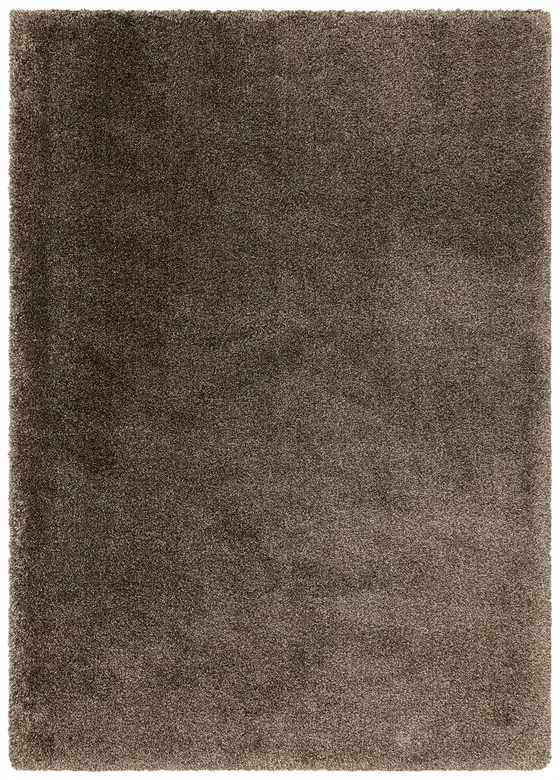
Durable materials for puppy households
Polypropylene rugs stand up best to the combination of digging claws, wet paws and the occasional indoor accident. The fibre is water-tolerant and most spills can be blotted away before they set. Wool offers good natural resilience, hides dirt well and recovers from crushing better than viscose, though it will shed for the first few months. Avoid viscose (sometimes labelled bamboo silk or art silk) entirely; it marks permanently with water and crushes easily under enthusiastic puppy play.
Flatweaves and low-pile constructions (under 10 mm) give fewer loose fibres for a dog to pull. Hand-tufted rugs have a glued backing that can loosen if soaked repeatedly, so they suit lighter use. Machine-woven polypropylene or polyester rugs are the safest everyday choice for active dogs.
Size and placement rules
In most UK living rooms leave 30-60 cm of floor visible around the rug. In smaller rooms 20 cm is acceptable. For front-legs-on layouts with a 3-seater sofa, a 160x230 cm or 200x290 cm rug usually works; the latter gives more protection against rear-leg scratching. Under a dining table allow 60 cm on every side so chairs remain fully on the rug when pulled out. Bedroom rugs should show roughly 50-60 cm on each side of the bed.
Placing the rug away from doorways and high-traffic routes reduces the amount of tracked-in mud and the temptation for a puppy to dig at the edges. Runners 60-80 cm wide work well in hallways but choose low-pile versions that cannot be easily gripped and tugged.
Living room layouts
A 200x290 cm rug lets all four sofa legs sit comfortably on it while still showing border floor. In compact rooms a 160x230 cm version keeps the same proportion. Choose plain or subtly patterned designs so paw prints and light mud show less.
Cleaning and maintenance tips
Blot liquid immediately with kitchen towel or a clean cloth. For polypropylene, a mild detergent solution and gentle scrubbing usually removes marks; allow the rug to dry fully before walking on it. Wool benefits from regular vacuuming on both sides during the initial shedding period. Rotate the rug every few months so wear is even and any digging damage is less noticeable in one area.
Keep a small handheld vacuum or carpet sweeper near the rug for quick daily removal of loose hair and grit. If your dog is a persistent digger at corners, consider a low-pile runner or mat in the same material so the main rug stays protected.
Best Rug types for active dogs
Low pile polypropylene rugs combine stain resistance with easy cleaning and are the most practical for puppy homes. Short wool pile offers better comfort underfoot and natural soil-hiding but requires more careful blotting after accidents. Shaggy rugs over 20 mm trap hair, mud and debris and are hard to clean thoroughly; avoid them.
Outdoor-style performance rugs made from recycled polyester can be brought inside for high-traffic areas. Their tighter construction resists pulling and they tolerate occasional hosing down in the garden if heavily soiled.
Link to suitable options: polypropylene rugs, low pile rugs, wool rugs, plain rugs and living room rugs.
Puppy-Proofing your Rug area
Provide designated chew toys near the rug to redirect digging behaviour. Use a pet gate during training periods to keep the puppy off the rug when unsupervised. If the dog persistently digs at one corner, place a heavy piece of furniture or a non-slip mat over that edge for a few weeks while habits are formed.
Check the product page for exact pile height, construction and care instructions before buying. Machine-woven polypropylene with a cut pile around 5-10 mm usually offers the best balance of comfort and durability for homes with young dogs.
Common mistakes to avoid
Buying a thick shaggy or high-viscose rug is the most frequent error. These look soft but quickly show watermarks, flattened patches and pulled fibres. Another mistake is choosing a rug that is too small; a dog is more likely to go off the edge onto the floor, tracking mud back onto the rug. Finally, skipping regular vacuuming during the first months with a new wool rug leads to excess loose fibres that a puppy may chew.
| Material | Pros for puppy homes | Cons |
|---|---|---|
| Polypropylene | Stain-resistant, water-tolerant, low cost | Can flatten over time, not heat-resistant |
| Wool | Resilient, soil-hiding | Sheds when new, needs prompt blotting |
| Polyester blends | Good colour retention, easy to clean | Can attract static, less resilient than wool |
Many owners find that starting with two or three smaller machine-woven polypropylene rugs rather than one large piece allows easier rotation and replacement if one area gets heavy wear.
Frequently asked questions
Will a wool rug survive puppy claws?
Low-pile wool rugs cope better than high-pile or viscose because the tight weave limits loose fibres that can be pulled. They still require prompt cleaning after accidents and benefit from regular vacuuming. A 10 mm or lower pile wool rug is a practical compromise for comfort and durability.
Are polypropylene rugs safe for puppies?
Polypropylene is water-tolerant and most spills can be cleaned without permanent marking. The fibre does not support mould growth when dried properly. Choose machine-woven low-pile versions for easiest maintenance in homes with digging dogs.
What size rug works best in a living room with a puppy?
A 160x230 cm or 200x290 cm rug usually suits a 3-seater sofa in a front-legs-on layout. This size gives enough coverage while leaving 30-60 cm of floor visible around the edges. Smaller rooms can manage with 160x230 cm; larger spaces benefit from 200x290 cm.
How do I stop my puppy digging at the rug corners?
Provide chew toys nearby, use a pet gate when unsupervised, and consider weighting the corners with furniture during the first months. A low-pile runner in the same material can protect the main rug while the puppy learns boundaries.
Should I choose a plain or patterned rug for a dog?
Plain low-pile rugs in neutral tones such as beige, grey or cream hide light mud and hair better than bold patterns. Subtle textures or small-scale geometric designs also work well. Avoid light cream viscose or very dark colours that show every paw print.
Shop the guide
-
 Atlas Shaggy Rug in Emerald Green
from £59.98
-
 Atlas Shaggy Rug in Gunmetal Grey
from £59.98
-
 Atlas Shaggy Rug in Ivory Cream
from £59.98
-
 Atlas Shaggy Rug in Natural
from £59.98
Related guides
- Rugs for new build homes: modern layouts and open-plan spaces
- Rugs for laminate floors: practical choices that stay in place
- Best rugs for families with toddlers: soft, safe and easy-clean
- Teen bedroom rug ideas that match their style
- Rugs for homes with pets
- All rug guides
Questions about a specific rug? Every product page lists the maker's size, material, pile height and care details. Delivery is free and tracked to England, Wales and mainland Scotland, and you have 14 days to change your mind. See delivery and returns.