
Rugs for Concrete Floors: Industrial Style and Insulation
Concrete floors look striking but feel cold underfoot. A well-chosen rug adds warmth, softens the hard surface and brings industrial character while leaving the raw texture visible around the edges. Wool and polypropylene options work well because they tolerate temperature changes, resist marks from polished screed and deliver the low-maintenance practicality most UK homes need.
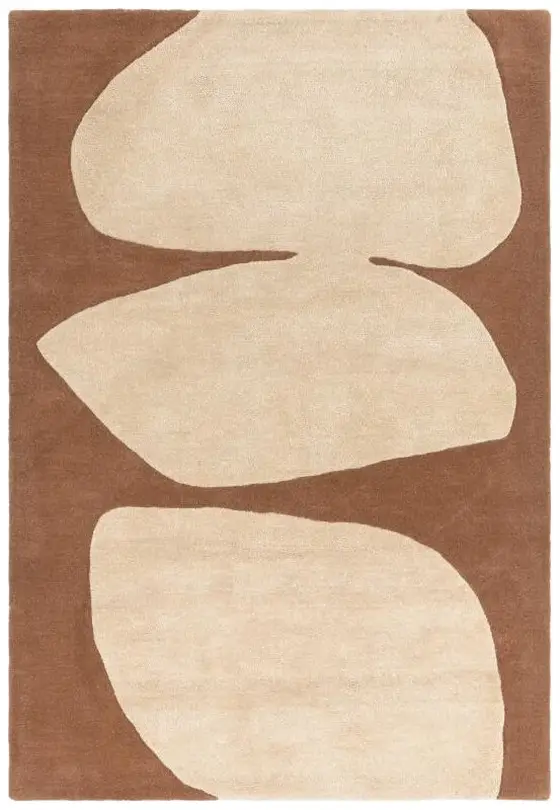
Choosing the right material for concrete floors
Polished concrete and screed conduct heat quickly, so the pile and fibre type determine how warm the rug feels. Wool offers natural resilience that suits busy households. Polypropylene handles moisture and stains better, making it practical near external doors or in kitchens. Viscose adds shine but marks easily with water, so avoid it in high-traffic areas.
Low pile heights between 8 mm and 15 mm stay flatter on uneven concrete and are easier to vacuum. Shaggy piles above 30 mm trap more air for insulation yet demand more care on hard floors because the backing can slide without a non-slip underlay.
- Wool: resilient, flame-resistant relative to synthetics, new shedding is normal for the first few weeks.
- Polypropylene: stain-resistant, water-tolerant, can flatten over time.
- Recycled polyester: soft, often budget-friendly, check heat resistance near fireplaces.
Link your concrete floor to industrial style with modern rugs or plain textured rugs in grey, beige and terracotta tones that echo raw materials.
Industrial style rugs that suit concrete
Industrial interiors favour raw textures, neutral palettes and graphic patterns. Abstract designs, distressed weaves and concrete-matching neutrals prevent the rug from fighting the floor. Hand-tufted or machine-woven constructions give the worn character many homeowners seek.
For living rooms, a 160x230 cm or 200x290 cm rug placed with front sofa legs on top follows the usual UK layout while leaving 30-60 cm of concrete visible on all sides. In smaller rooms reduce to 20 cm borders. Dining areas need at least 60 cm beyond the table edge so chairs remain stable when pulled out.
Bedrooms benefit from rugs that extend 50-60 cm beyond each side of the bed for bare-foot comfort. Runners 60-80 cm wide work well in hallways where concrete often runs the full length.
Colour and pattern choices
Grey, taupe, cream and charcoal hide everyday marks on concrete. Subtle abstract or faded Persian motifs add depth without date-stamping the room. Avoid very dark solids; they show dust and lint quickly on hard floors.
Explore grey rugs, beige and natural rugs or abstract rugs to keep the industrial feel.
Insulation and practical performance
A rug creates an insulating air layer between foot and concrete. Thicker piles and denser constructions trap more warmth, yet on polished floors they can move. A purpose-made non-slip underlay (sold separately) prevents trips and protects the rug backing from abrasion.
Wool stays comfortable in winter because it regulates temperature. Polypropylene dries fast after spills, useful in utility spaces with concrete. Hand-woven or hand-tufted backs are usually fabric; check product pages for exact care instructions.
Maintenance checklist:
- Vacuum regularly with a hard-floor setting to avoid scratching concrete.
- Rotate every six months to even wear.
- Blot spills immediately; polypropylene tolerates mild detergent, wool prefers specialist cleaners.
- Keep away from direct heat sources; synthetics can melt.
Size and placement rules for UK homes
Common sizes that work with concrete floors include 120x170 cm for small zones, 160x230 cm for standard living rooms and 200x290 cm or 200x300 cm under larger sofas. A 3-seater sofa usually pairs with 200x290 cm in front-legs-on layout; downsize to 160x230 cm in compact rooms.
Under dining tables allow 60 cm clearance on every side so chairs stay fully on the rug. In bedrooms the rug should show roughly 50-60 cm on either side of the bed. Leave 30-60 cm of concrete border in most rooms to retain the industrial look; reduce to 20 cm only in very small spaces.
See living room rugs, dining room rugs and bedroom rugs for layouts that match your concrete floor.
Best rug types for concrete and industrial interiors
Low-pile wool rugs offer durability and subtle texture. Flatweaves or low-pile polypropylene withstand heavy use and clean easily. Shaggy recycled-polyester designs insulate well yet require more vacuuming on hard surfaces. Handmade pieces bring character; machine-woven versions give repeatable patterns at lower cost.
Consider these practical trade-offs:
- Wool rugs feel luxurious and hide soil but shed initially and cost more.
- Polypropylene rugs resist stains and water but can crush and lack the same natural warmth.
- Blends of wool and viscose add sheen for industrial-luxe looks yet mark with moisture.
Shop wool rugs or polypropylene rugs to balance style and performance on concrete.
Maintaining rugs on concrete floors
Concrete is unforgiving on rug backs. Rotate regularly, vacuum both sides when possible and address curled corners promptly. On underfloor heating, choose low-pile constructions that allow heat through; check individual product pages for suitability. Avoid rubber-backed rugs that can trap moisture against polished screed.
| Material | Insulation | Stain resistance | Ease of cleaning on concrete |
|---|---|---|---|
| Wool | Good | Medium | Blot and specialist clean |
| Polypropylene | Medium | High | Vacuum and mild detergent |
| Recycled polyester | Medium-good | High | Easy vacuum, dries fast |
Product pages list exact pile height, construction and care guidance so you can match the rug to your concrete floor and lifestyle.
Frequently asked questions
What rug pile height works best on concrete?
Low to medium pile between 8 mm and 20 mm stays flatter, vacuums easily and resists curling on uneven concrete. Shaggy piles above 30 mm insulate better but can flatten or move more. Check the product page for exact pile height before buying.
Which colours hide marks on concrete best?
Grey, beige, taupe and charcoal tones blend with industrial concrete and mask everyday dust and footprints. Avoid solid black or very pale cream if your floor shows every speck of lint. Abstract or faded patterns also disguise wear effectively.
Can you put a wool rug directly on concrete?
Yes, but a non-slip underlay is recommended to protect the backing from abrasion and prevent slipping. Wool tolerates the temperature swings of concrete well and its natural resilience helps it recover from foot traffic. Vacuum regularly and rotate every six months.
Are polypropylene rugs suitable for industrial-style homes?
Polypropylene rugs are highly practical for concrete floors in industrial settings. They resist stains, tolerate moisture and come in modern abstract or plain designs that suit raw interiors. They are cheaper than wool yet still deliver the low-maintenance look many homeowners want.
Shop the guide
-
 Myrtle Avenue V Rug in Green
from £139.98
-
 Myrtle Avenue IV Rug in Brown & Cream
from £79.98
-
 Myrtle Avenue III Rug in Brown & Cream
from £79.98
-
 San Francisco Rug in Sage Green & Neutral
from £69.98
Related guides
- Rugs for wooden floors: protection, grip and style
- Sage green rugs: how to style with sofas, floors and walls
- Industrial Rug Style Guide: Choosing Rugs for Loft-Style Homes
- Rugs on vinyl and LVT floors: what to check
- What size rug do I need? A room-by-room guide
- All rug guides
Questions about a specific rug? Every product page lists the maker's size, material, pile height and care details. Delivery is free and tracked to England, Wales and mainland Scotland, and you have 14 days to change your mind. See delivery and returns.