
Rug for a Nursery Feeding Chair or Glider
A rug for a nursing chair should measure at least 120x170 cm so the chair and your feet stay fully on it while you feed. Choose low-pile polypropylene or polyester styles that handle occasional spills and are easy to vacuum. In most nurseries leave 30-60 cm of floor visible around the edges for safety and to keep the space feeling open.
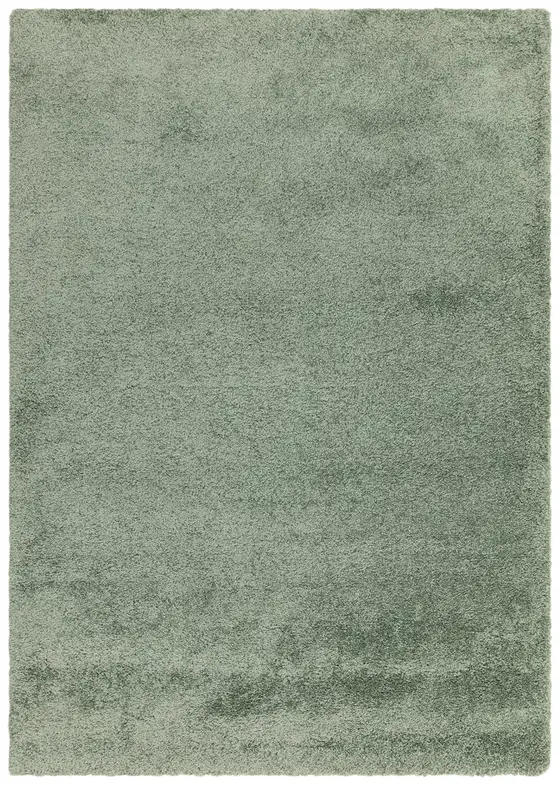
Choosing the right size
The most practical size for a rug under a nursery feeding chair or glider is 120x170 cm. This gives enough space for the chair to sit centrally with room for your feet and a small side table if needed. In a compact nursery, an 80x150 cm runner-style rug can work if the chair is placed lengthways, but it leaves less margin for movement.
Common UK nursery layouts suit a 120x170 cm rug placed in front of or beside a window or corner. Measure your feeding chair footprint first (typically 60-80 cm wide by 80-100 cm deep when rocking) and add at least 30 cm on each side so the rug extends beyond the chair and your toes. Avoid anything smaller than 80x150 cm as it can feel unstable under a moving glider.
House sizing rules for nurseries
- Leave 30-60 cm of bare floor around the rug in most rooms to prevent tripping and allow easy cleaning. In very small nurseries this can be reduced to 20 cm but never place the rug wall-to-wall.
- The rug should sit fully under the chair and extend 15-30 cm past each end.
Browse small rugs if your nursery footprint is tight.
Practical materials for nurseries
Nursery rugs face milk spills, dribble and the occasional nappy change on the floor. Polypropylene is the most tolerant: it resists water, dries quickly and does not stain easily. Recycled polyester (PET) performs similarly and often feels softer under bare feet. Both are available in low pile heights that stay flat under a glider.
Wool offers good resilience and hides marks well but can absorb liquids if not cleaned immediately. Viscose blends look luxurious yet mark permanently with water, so avoid them near a feeding chair. Jute and sisal dislike moisture and can stain, making them unsuitable.
Look for machine-woven or hand-tufted constructions with a secure backing. Low pile (under 15 mm) prevents the chair legs catching and is quicker to vacuum. Shaggy styles over 30 mm look cosy but trap crumbs and are harder to keep clean.
See polypropylene rugs and low pile rugs for nursery-friendly options.
Safety and comfort considerations
Choose a rug with a non-slip backing or add a separate gripper underlay cut to size. This stops the rug sliding when the glider rocks. Rounded corners reduce bump risks for crawling babies. Avoid long fringes that small fingers can pull.
A soft but firm surface makes late-night feeds more comfortable for bare feet. Cream, beige and soft grey colours hide milk marks better than bright white while still reflecting light in a small room. Pastel patterns can add gentle interest without overstimulating.
Check the product page lists pile height, construction and care instructions. Most synthetic nursery rugs are vacuum-only or spot clean with mild detergent; never rub wet wool or viscose blends.
Shop cream rugs and beige rugs that suit calm nurseries.
Popular nursery rug styles
Plain textured rugs give a calm background and show less dirt. Subtle geometric or abstract designs in muted tones add personality without clutter. Soft green, sage, navy or warm neutral shades coordinate with most nursery colour schemes and hide everyday marks.
Hand-tufted wool rugs offer a luxurious feel but need prompt spill treatment. Machine-made polypropylene versions deliver similar looks with better stain resistance. Many ranges offer the same design across several sizes so you can add a matching runner later if the nursery layout changes.
View modern rugs for simple geometric patterns suitable for nurseries.
Placement tips for feeding chairs
Position the rug so the chair sits near the centre but not right on the edge. The front legs of the glider and your feet should stay on the rug during use. If the room has hard flooring, angle the rug to cover the main traffic path between the chair and cot or changing table.
In a bay window, a 120x170 cm rug placed parallel to the glass works well. For corner placement, centre the chair diagonally so the rug covers the rocking arc. Always allow 30-60 cm clearance to walls or furniture so you can walk around safely at night.
Maintenance in a nursery environment
Vacuum at least twice weekly on low suction to remove dust and crumbs. Spot-clean spills immediately with a dry cloth then a damp one with mild detergent; blot, never rub. Rotate the rug every few months so wear from the chair is even.
Polypropylene and polyester rugs tolerate occasional gentle machine washing if small enough, but most nursery sizes are too large. Keep a clean cloth and suitable spot cleaner nearby for quick response to milk accidents. Avoid steam cleaners on synthetic fibres as heat can melt them.
Read the care instructions on each product page before buying.
Linking to living room rugs
The same practical rules apply when the feeding chair moves into a living room later. A larger 160x230 cm rug then gives front-legs-on placement for a sofa while still accommodating the glider. Many parents buy one versatile rug that works in both rooms during the early years.
Explore living room rugs for designs that grow with the nursery.
Frequently asked questions
What is the smallest rug size suitable for a nursing chair?
An 80x150 cm rug is the smallest practical option if the chair sits lengthways and you have limited floor space. Most parents prefer 120x170 cm so the chair and feet stay fully supported with a margin around the edges. Always measure your exact chair footprint first.
Should I choose a shaggy rug for a nursery feeding area?
Shaggy rugs over 30 mm look soft but trap food particles, milk and dust, making them harder to keep clean. Low-pile polypropylene or polyester rugs (under 15 mm) are far more practical around a glider. They vacuum easily and dry quickly after spills.
Is wool safe to use under a nursery rocking chair?
Wool is resilient and naturally soil-hiding but absorbs liquids. Prompt blotting is essential to avoid marks. Low-pile wool rugs can work if you are confident with quick cleaning; otherwise synthetic fibres offer better water tolerance for a feeding chair.
How much floor should show around a nursery rug?
Leave 30-60 cm of bare floor visible on all sides in a standard nursery. This prevents the rug becoming a trip hazard and makes the room feel larger. In very small rooms 20 cm is acceptable but never run the rug to the walls.
Can I use the same rug when the feeding chair moves to the living room?
Yes. A 160x230 cm rug that works under a nursing chair will often suit a front-legs-on sofa layout later. Choosing neutral colours and low-pile synthetics gives flexibility as your child grows and the room use changes.
Shop the guide
-
 Amelie Lana Rug in Rust With Faded Blue Hues
from £29.98
-
 Atlas Shaggy Rug in Emerald Green
from £59.98
-
 Atlas Shaggy Rug in Gunmetal Grey
from £59.98
-
 Atlas Shaggy Rug in Ivory Cream
from £59.98
Related guides
- Rugs Under Desk Chairs: Size, Pile and Floor Protection
- Square Rug Sizes for UK Living Rooms: Buying Guide
- Small Rug Uses: 15 Smart Ways to Use Small Rugs in UK Homes
- Choosing a rug for a room with bunk beds
- Rugs for nurseries and children's rooms
- All rug guides
Questions about a specific rug? Every product page lists the maker's size, material, pile height and care details. Delivery is free and tracked to England, Wales and mainland Scotland, and you have 14 days to change your mind. See delivery and returns.