
How to Fit a Rug in a Bay Window
Choose a rug that follows the bay window curve while leaving 30-60 cm of floor visible around the edges in a typical UK living room. For most bay windows a 160x230 cm or 200x290 cm rug works when placed with the longest side parallel to the window wall and front sofa legs on the rug. Measure the bay projection and width first, then subtract to keep the rug centred and clear of any radiators or doors.
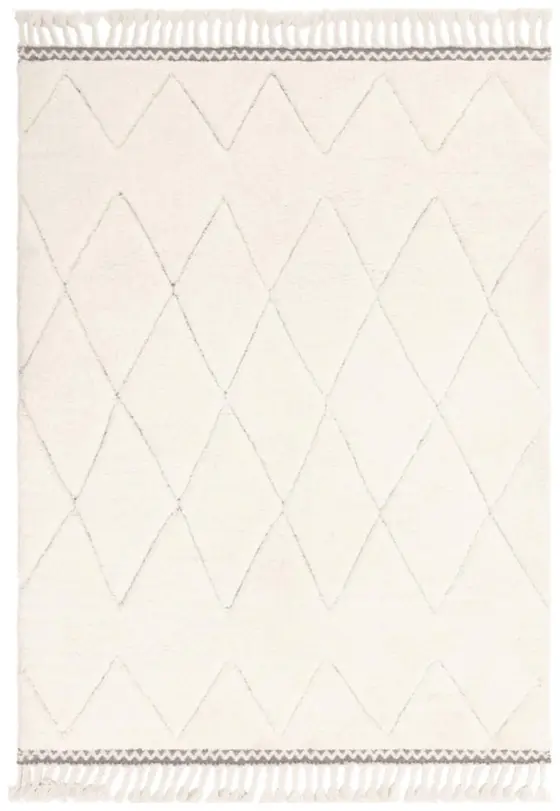
Measure your bay window first
Start by measuring the full width of the bay at the widest point where it joins the main room wall. Then measure the projection (how far the bay extends into the room) from the main wall to the window glass. Record both in centimetres. Note any radiator positions, skirting board depth and door swing areas that the rug must avoid.
These figures determine whether one large rug or two smaller rugs will fit better. Write the numbers down; they prevent buying a rug that overlaps furniture or blocks movement.
Tools needed
- Tape measure
- Notepad and pencil
- Masking tape to mark rug corners on the floor
Choose the correct Rug size for bay windows
Leave 30-60 cm of bare floor between the rug edge and the walls in most rooms. In smaller bays reduce this to 20 cm. The rug should sit fully inside the bay curve without touching the window sill or radiators.
For a standard three-seater sofa placed opposite the bay, a 160x230 cm rug often works when the longest side runs parallel to the window wall. Larger rooms usually need a 200x290 cm rug so the sofa front legs rest on the rug while the bay area remains clear.
If the bay is very shallow, consider a runner-style rug 80 cm wide placed along the window instead of a rectangular rug. This keeps traffic paths open in the main room.
Living room layouts that work with bays
The front-legs-on layout suits most UK homes with bay windows. Position the sofa so its front legs sit 15-30 cm onto the rug. The rug then extends towards the bay without entering it fully. This creates a visual link between seating and the window while leaving space to walk around the sides.
Avoid pushing the rug right into the bay curve unless the projection is over 100 cm and the room is large. In smaller rooms the rug can sit just in front of the bay, allowing curtains to fall behind it when open.
For open-plan kitchens or dining areas near a bay, use the same 60 cm rule around a dining table so chairs remain on the rug when pulled out. Link to dining room rugs for more options.
Material and pile height choices
Bay windows often receive strong sunlight. Wool rugs are resilient and soil-hiding, making them practical for living rooms. Polypropylene rugs tolerate moisture better if condensation occurs near windows and are easier to keep clean.
Low-pile or flatweave constructions work best near radiators because they lie flatter and reduce trip hazards. Avoid very high shaggy piles in bays with underfloor heating or frequent foot traffic as they can flatten unevenly.
Consider these practical options:
- Wool rugs for resilience
- Polypropylene blends for stain resistance near windows
- Low pile heights (under 15 mm) for bays with doors
Dealing with curved and angled bays
Most bay windows are polygonal rather than perfectly curved. Place a rectangular rug so its front edge aligns with the straightest part of the bay. Use the measured projection to ensure the rug stops at least 30 cm short of the windows.
In angled bays, a square or abstract-shaped rug can follow the lines better than a strict rectangle. Modern abstract designs help disguise imperfect alignment. Check modern rugs for flexible patterns that suit irregular spaces.
If the bay has three distinct window sections, some homeowners use three separate small rugs, but one larger rug usually looks neater and is easier to vacuum.
Common mistakes to avoid
Buying a rug that is too small makes the bay look disconnected from the rest of the room. A rug that is too large can trap heat from radiators or make curtains drag. Always mark the proposed rug area with masking tape before ordering and walk around it to test traffic flow.
Another error is ignoring pile direction. Place any directional pile so it runs away from the window to reduce visible footprints in sunlight. Finally, check that the rug does not block floor vents or make it difficult to open windows.
Finishing touches and maintenance
Once positioned, ensure the rug lies flat. Vacuum regularly, turning the rug 180 degrees every few months to even out wear from sunlight.
Product pages list exact pile height, construction and care instructions. Follow those for the specific rug chosen. In bay windows, rotate the rug if one side faces stronger light to prevent uneven fading.
Practical choices include neutral tones that blend with natural light. Beige rugs and cream rugs reflect daylight without showing every mark. For bolder looks, abstract patterns in abstract rugs can anchor the seating area without competing with window views.
Frequently asked questions
Can I use a round rug in a bay window?
Round rugs rarely suit bay windows because the straight edges of most furniture create awkward gaps. Rectangular or square rugs give cleaner lines and follow the room geometry better. Only consider a round design if the bay is unusually circular and the rest of the furniture is also curved.
How far should the rug extend into the bay?
Keep the rug at least 30 cm away from the window glass and any radiators. In shallow bays the rug should sit entirely in the main room with only the visual effect of framing the bay. Deeper bays over 100 cm projection may allow the rug to enter by up to 50 cm if traffic flow remains clear.
What rug size fits a small bay window?
For bays under 250 cm wide and projecting less than 80 cm, a 160x230 cm rug is usually sufficient. Pair it with a two-seater sofa and leave 20-30 cm of floor showing on all sides. This size is widely available and keeps the room feeling spacious.
Should the rug go under the curtains?
Position the rug so curtains fall just behind its edge when open. This prevents fabric drag and allows the rug to define the seating area without interfering with window operation. Floor-length curtains usually need the rug to stop 10-15 cm short of the track or pole projection.
Is it better to use one rug or several in a bay window room?
One larger rug almost always looks more cohesive and is simpler to maintain. Multiple small rugs can fragment the space and create trip edges. Use a single rug that covers the main seating area and stops short of the bay unless the room is very large.
Shop the guide
-
 Amelie Lana Rug in Rust With Faded Blue Hues
from £29.98
-
 Atlas Shaggy Rug in Emerald Green
from £59.98
-
 Atlas Shaggy Rug in Gunmetal Grey
from £59.98
-
 Atlas Shaggy Rug in Ivory Cream
from £59.98
Related guides
- Square Rug Sizes for UK Living Rooms: Buying Guide
- Small Rug Uses: 15 Smart Ways to Use Small Rugs in UK Homes
- Rugs Under Desk Chairs: Size, Pile and Floor Protection
- Choosing a rug for a room with bunk beds
- What size rug do I need? A room-by-room guide
- All rug guides
Questions about a specific rug? Every product page lists the maker's size, material, pile height and care details. Delivery is free and tracked to England, Wales and mainland Scotland, and you have 14 days to change your mind. See delivery and returns.