
Minimalist Rug Style Guide: Clean Lines and Neutral Tones
Minimalist rugs rely on clean lines, neutral tones and simple textures. Choose low-pile or flatweave constructions in cream, beige or grey that sit quietly underfoot while defining zones. In most UK living rooms a 160x230 cm or 200x290 cm rug works best with a front-legs-on sofa layout, leaving 30-60 cm of floor visible around the edges.
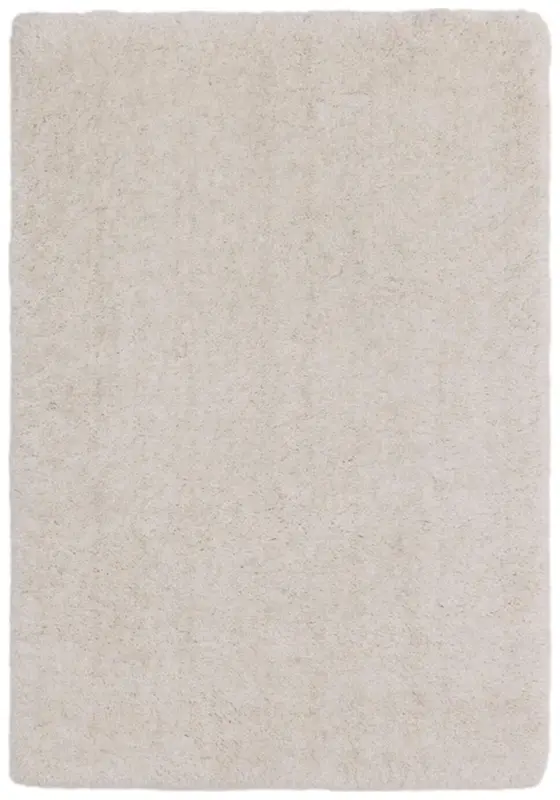
Choosing neutral colours
Neutral palettes form the foundation of minimalist interiors. Cream and ivory rugs reflect light and enlarge small rooms while beige and natural tones add subtle warmth. Grey rugs deliver a cooler, more contemporary edge. Avoid strong contrasts; the rug should blend with walls and upholstery rather than stand out.
When selecting from cream rugs or beige rugs, check the product page for exact shade descriptions. A rug that looks warm in artificial light can appear cooler in daylight. In north-facing rooms, off-white or ivory prevents the space feeling flat.
Warm versus cool neutrals
- Warm (ivory, sand, taupe): suit rooms with wooden floors or south-facing light.
- Cool (greige, soft grey): balance bright white walls and stainless steel.
Pile height and texture for calm spaces
Low pile rugs (under 1 cm) or flatweaves deliver the cleanest lines and are easier to keep clean. High-low carved designs add quiet interest without pattern. Shaggy or deep pile rugs can look untidy in minimalist schemes unless the pile is uniform and the colour is solidly neutral.
Wool offers natural resilience and is soil-hiding, making it practical for living rooms. Polypropylene tolerates spills better and is often chosen for dining areas. Viscose, sometimes labelled bamboo silk, creates a soft sheen but marks easily with water and crushes under furniture.
For Scandi-style rooms, a low pile rug in wool or polypropylene keeps the look crisp.
Sizing rules for UK homes
Leave 30-60 cm of bare floor around the rug in most rooms; reduce to 20 cm only in very small spaces. In living rooms the rug should extend 15-30 cm beyond each end of the sofa. A front-legs-on layout suits the majority of British homes: try a 160x230 cm rug in compact rooms or a 200x290 cm for larger three-seater sofas.
Under dining tables allow 60 cm on every side so chairs remain on the rug when pulled out. In bedrooms the rug should show 50-60 cm on either side of the bed. Runners 60-80 cm wide work well in hallways but keep patterns minimal or plain.
Common UK sizes include 120x170 cm for small zones, 160x230 cm for standard living rooms and 200x290 cm or 200x300 cm for generous spaces. Always measure twice before ordering from living room rugs or bedroom rugs.
Construction and material trade-offs
Flatweaves have no pile and lie completely flat, ideal under dining chairs. Hand-tufted rugs have a glued backing and suit low-traffic areas. Machine-woven polypropylene or polyester rugs offer good value and water tolerance but can flatten over time.
| Material | Pros | Cons |
|---|---|---|
| Wool | Resilient, soil-hiding | Sheds when new |
| Polypropylene | Stain-resistant, water-tolerant | Can crush |
| Polyester | Soft, good colour retention | Prone to crushing |
Plain and textured rugs avoid the visual clutter of patterns. A subtle high-low design can still read as minimalist if the colour is single-tone. Check the product page for pile height, construction method and care instructions before purchase.
Living room layouts
Place the rug so the front legs of the sofa rest on it while the back legs remain on the floor. This anchors the seating area without overwhelming the room. In open-plan kitchens the same rug can visually separate the lounge from the dining zone when sized correctly.
For a calm Scandi look pair a neutral wool rug with light oak furniture and linen upholstery. Modern minimalist rooms benefit from smoother polypropylene surfaces that reflect light and show fewer footprints.
Maintenance for long-term calm
Vacuum regularly with a suction-only cleaner; avoid rotating brushes on looped or shaggy constructions. Spot-clean spills immediately with a dry cloth then blot with a damp one. Rotate the rug every six months to even out wear. In homes with pets or children, polypropylene offers easier stain removal than natural fibres. Always follow the care guidance listed on each product page.
Shop the Look
Our plain and textured rugs and modern rugs collections contain many suitable options. The grey rugs and beige and natural rugs ranges focus on the understated palettes that minimalist schemes demand.
Frequently asked questions
What is the best size minimalist rug for a UK living room?
For most three-seater sofas choose 160x230 cm in smaller rooms or 200x290 cm in larger ones. The rug should cover the front legs and extend 15-30 cm beyond each end, leaving 30-60 cm of floor visible around the perimeter.
Are wool rugs suitable for minimalist homes?
Yes. Wool provides natural resilience and a soft texture that fits clean Scandi or modern schemes. It hides everyday soil better than many synthetics but will shed lightly when new. Choose low-pile plain wool designs.
Can I use a patterned rug in a minimalist room?
Only if the pattern is extremely subtle, such as a tonal high-low carved design in a single neutral. Most minimalist schemes work best with plain or near-plain rugs so the floor does not compete with other elements.
How do I stop a minimalist rug looking too stark?
Layer texture rather than colour. Combine a low-pile base with a small amount of high-low carving or a soft wool pile. Keep walls and furniture within two or three closely related neutral tones.
Which material is easiest to keep clean in a minimalist dining room?
Polypropylene is the most water-tolerant and stain-resistant. It withstands spills from food and drink better than wool or viscose while maintaining a flat surface for chair movement.
Shop the guide
-
 Colores Cloud Gardenia CO01 Outdoor Rug in Multicoloured
from £69.98
-
 Colores Cloud Ethereal CO03 Rug in Multicoloured
from £69.98
-
 Colores Cloud Galactic CO04 Rug in Multicoloured
from £69.98
-
 Colores Cloud Digital CO05 Rug in Multicoloured
from £69.98
Shop all plain & textured rugs
Related guides
- Vintage Distressed Rug Guide: How to Style Worn-Look Rugs
- Traditional Rug Style Guide: Classic British and Heritage Looks
- How to Style a Striped Rug
- Scandi Rug Style Guide: How to Style a Room with Nordic Rugs
- How to clean a wool rug at home
- All rug guides
Questions about a specific rug? Every product page lists the maker's size, material, pile height and care details. Delivery is free and tracked to England, Wales and mainland Scotland, and you have 14 days to change your mind. See delivery and returns.