
How to Remove Chewing Gum from a Rug
To remove chewing gum from a rug, harden the gum with ice, gently scrape it off with a blunt knife, then treat any residue with a solvent such as white spirit or a specialist gum remover. Work from the edges inward and always test any liquid on an inconspicuous area first. Different rug materials need slightly different handling to avoid permanent marks or crushing.
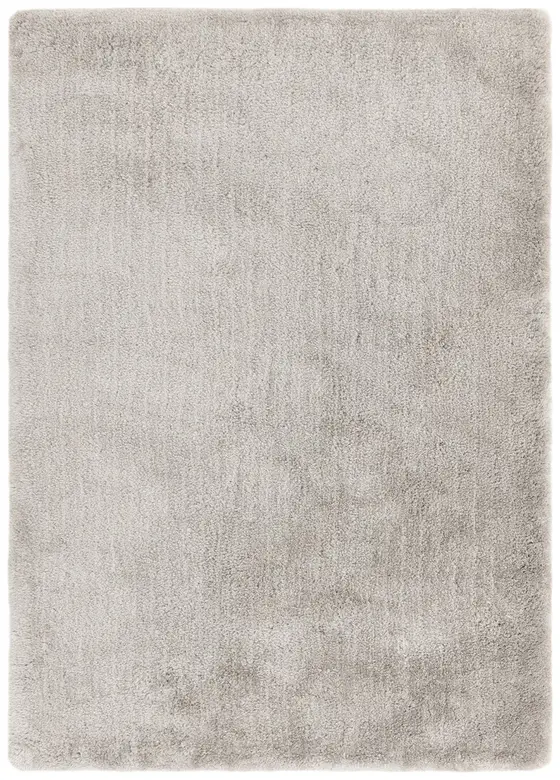
Preparation before treatment
Act quickly once you spot the gum. The longer it stays embedded, the deeper it works into the pile or weave. Gather these items: ice cubes or an ice pack, a blunt butter knife or plastic scraper, white spirit or a commercial chewing gum remover, clean white cloths, mild detergent suitable for the rug material, and a vacuum cleaner. Check the care instructions on the product page for your specific rug. Wool rugs tolerate cold treatment well but dislike excessive water. Polypropylene rugs are more tolerant of both water and solvents but can still crush if scraped too hard.
Identify the rug construction. Hand-tufted rugs have a glued backing that solvents can soften if over-applied. Flatweaves such as jute have no pile, so gum sits on the surface but can leave stains if not lifted cleanly. Always work in a well-ventilated room when using solvents.
The ice and scrape method
This is the safest first approach for most rugs. Place ice cubes inside a sealed plastic bag and hold it against the gum for 5-10 minutes until the gum hardens and becomes brittle. Avoid letting meltwater soak into the rug, especially on jute.
Once hard, gently scrape the gum away with a blunt knife, working from the outer edges toward the centre. Take small lifts rather than forcing large pieces. For low-pile rugs the process is quicker; shaggy or high-pile rugs need more patience to avoid pulling fibres. Vacuum immediately after to remove loose fragments.
If the rug is wool, this method minimises risk because wool is naturally resilient. For polypropylene rugs the cold also helps prevent smearing. Never use heat on gum; it will only make it stickier and drive it deeper into the fibres.
Using solvents for remaining residue
After scraping, a small sticky patch often remains. Dampen a clean white cloth with a small amount of white spirit and blot the area, working from the outside in. Do not rub vigorously.
Specialist gum removers sold for upholstery and carpets can be used instead; follow the product instructions exactly. After solvent use, blot the area with a cloth dampened in mild soapy water to neutralise, then blot dry with a clean towel. Allow the spot to air-dry completely before walking on it or replacing furniture.
Caution is essential with natural fibre rugs. Jute dislikes water and can show watermarks or darken permanently. Viscose is particularly sensitive to both water and solvents and can develop permanent crushing or discolouration. In these cases professional cleaning may be the safer choice after initial scraping.
Material-Specific advice
Different fibres respond differently to gum removal. Wool rugs are resilient, so cold treatment followed by minimal solvent works well. Polypropylene rugs tolerate water and most solvents but the pile can flatten if pressure is applied while the fibres are warm.
Jute flatweaves require the driest possible method. Use ice sparingly, scrape gently, and avoid liquids. A dry-cleaning solvent spotter is preferable if residue remains. Hand-tufted rugs need extra care; never dig the scraper into the base.
For hand-tufted rugs, limit solvent to the pile surface only. Excessive liquid can reach the latex glue and cause delamination. Shaggy rugs need careful separation of the long fibres before and after treatment so the gum does not spread.
Preventing further damage and when to stop
Test every liquid on an inconspicuous corner and wait ten minutes to check for colour change or texture damage. If the gum has been trodden in deeply, repeated scraping can break fibres. In that situation, remove as much as possible then consult a professional cleaner rather than risk a bald patch.
After successful removal, vacuum the area thoroughly. For wool rugs a slow pass with a suction-only vacuum avoids pulling more fibres. Polypropylene and polyester rugs can usually tolerate a rotating brush head on a low setting once fully dry.
If the rug sits in a high-traffic area in a living room, consider a front-legs-on layout for sofas or leaving 30-60 cm of floor visible around the edges.
Aftercare and long-term protection
Once the gum is gone, maintain regular vacuuming to stop dirt embedding in the treated area.
Shop similar practical rugs here: polypropylene rugs, wool rugs, low pile rugs, plain and textured rugs, and living room rugs.
Common mistakes to avoid
Never use hot water, a hairdryer or an iron on chewing gum; the heat liquefies it and pushes it further into the rug. Avoid coloured cloths or paper towels that can transfer dye. Do not over-wet any rug, especially natural fibre ones such as jute which can mark. Finally, do not assume all solvents are safe; always follow the care guidance on the individual product page.
Frequently asked questions
Can I use chewing gum remover on a wool rug?
Yes, but choose a solvent-based gum remover formulated for natural fibres and test it first on an unseen area. Wool is resilient but can be damaged by excessive moisture or harsh chemicals. After treatment blot with mild detergent solution and allow to dry fully. Hand-tufted wool rugs need particular care to avoid disturbing the backing glue.
Will ice damage a jute rug?
Ice itself will not damage jute if kept in a sealed bag and used briefly. The risk comes from meltwater that can leave dark marks or weaken the fibres. Use the ice method sparingly on jute, scrape gently, and avoid any water-based cleaners. Jute flatweaves respond best to dry methods only.
How do I get old dried chewing gum out of a shaggy rug?
Harden the gum again with ice, then carefully separate the long fibres with your fingers before scraping. Work in small sections. Shaggy polypropylene or polyester rugs are more forgiving than wool versions. Vacuum thoroughly afterwards to lift loosened fibres and restore the pile height.
What should I do if the gum has left a stain after removal?
Blot the stained area with a cloth dampened in white spirit or a specialist spotter, working from the edges inward. Follow with a mild detergent solution suitable for the fibre type, then blot dry. Persistent marks on viscose usually need professional attention.
Is it safe to use white spirit on polypropylene rugs?
White spirit is generally safe on polypropylene but always test first. These rugs are water-tolerant and stain-resistant, yet the pile can crush if scrubbed hard while damp. Use minimal liquid, blot rather than rub, and allow the area to dry completely before vacuuming.
Shop the guide
-
 Atlas Shaggy Rug in Emerald Green
from £59.98
-
 Atlas Shaggy Rug in Gunmetal Grey
from £59.98
-
 Atlas Shaggy Rug in Ivory Cream
from £59.98
-
 Atlas Shaggy Rug in Natural
from £59.98
Related guides
- How to Remove Ink and Felt-Tip Pen from a Rug
- How to Remove Tea Stains from a Rug
- How to Remove Slime from a Rug
- How to Remove Pet Urine from a Rug
- How to remove stains from a rug
- All rug guides
Questions about a specific rug? Every product page lists the maker's size, material, pile height and care details. Delivery is free and tracked to England, Wales and mainland Scotland, and you have 14 days to change your mind. See delivery and returns.