
How to Dry a Wet Rug Quickly and Safely
To dry a wet rug, first remove excess water by blotting with clean towels or using a wet vacuum. Lift the rug and place it raised on a flat, well-ventilated surface with a fan or dehumidifier. Ensure both sides dry completely and avoid direct heat sources that can cause shrinkage or distortion. This approach reduces the risk of mould and helps keep the rug's shape.
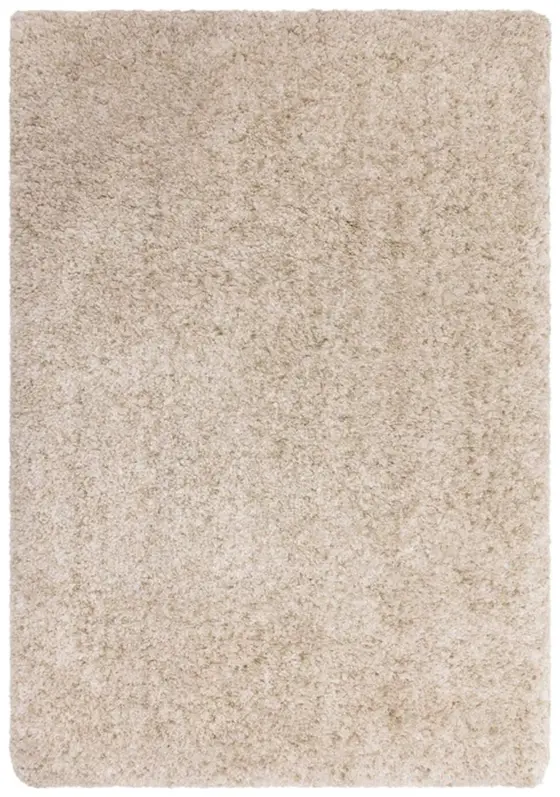
Immediate steps after a spill or flood
Act quickly after a rug becomes wet. Remove as much liquid as possible before it reaches the backing or floor. Use clean, dry, colourfast towels or absorbent cloths. Press down firmly but do not rub, as rubbing can damage pile fibres and spread stains. For larger areas, a wet and dry vacuum on the lowest suction setting removes water without forcing it deeper into the rug.
Next, check the floor underneath. If the subfloor is wet, roll the rug loosely from one end and move it to a dry area. This prevents water wicking up from below and reduces the chance of mould forming on either surface.
Wool rugs need prompt removal of water. Wool is resilient but can develop a musty odour if left damp. Synthetic options such as polypropylene rugs tolerate water better but can still develop mildew in poorly ventilated rooms.
Safety considerations
Never stand on a wet rug; it can slip. If the water contains sewage or chemicals, wear gloves and dispose of absorbent materials safely. Open windows to improve airflow.
Material-specific drying techniques
Wool rugs benefit from gentle blotting and good airflow. Wool is resilient and recovers well provided it dries evenly. Avoid wringing or hanging wool rugs, as the weight of water can stretch the foundation.
Viscose rugs, often labelled as bamboo silk or art silk, are regenerated cellulose fibres that become weak when wet and can develop permanent watermarks or crushing. Dry these face up on a flat surface and never apply pressure while damp. Polypropylene rugs are more tolerant of water but can still crush under heavy objects while wet. They need thorough drying on both sides.
Jute rugs dislike water and can mark easily. Blot immediately and use fans. Flatweave rugs without pile, such as kilims, dry faster than high-pile shaggy rugs but still require both sides to be exposed to air.
Hand-tufted rugs have a glued backing that can soften or separate if left saturated. Hand-knotted rugs are generally more stable but take longer to dry because of their density. Always follow the care instructions listed on product pages for specific construction details.
Tools and equipment that speed drying
A dehumidifier is effective in the UK climate. Position it 1-2 metres from the rug. A box fan or pedestal fan on low speed creates airflow across both surfaces. Place the rug over a drying rack or two sawhorses so air circulates underneath.
Absorbent towels or microfibre cloths should be changed regularly. Avoid hairdryers or heaters; concentrated heat can cause uneven shrinkage, especially in wool and viscose blends.
Check progress by pressing a dry paper towel against the backing. If it comes away damp, continue drying.
Preventing mould and distortion
Keep the room well ventilated with good airflow. Rotate the rug periodically so both sides receive equal exposure. Never fold a wet rug; creases can become permanent. For polypropylene rugs, the main risk is crushing rather than mould, but poor drying can still lead to backing delamination.
Wool rugs shed when new and more so when wet. Vacuum gently once completely dry to remove any loosened fibres. Viscose rugs are prone to watermarking; if faint marks appear after drying, they may fade over time with normal vacuuming but are difficult to remove completely.
After drying, inspect for distortion. A rug that has stretched or buckled may need professional attention.
When to seek professional help
Extensive flooding, especially from sewage, requires specialist sanitisation. Signs that professional help is needed include persistent odour, visible mould, or separation of the backing in hand-tufted rugs.
Many modern machine-made rugs, including those in our polypropylene rugs selection, can be dried at home successfully. However, for wool and viscose blends caution is advised if the wetting is extensive.
Long-term care after drying
Once dry, vacuum thoroughly on both sides if construction allows. Refer to product pages for exact size, material, pile height, construction method and care instructions. Free tracked delivery is available on every order to England, Wales and mainland Scotland. You have 14 days after delivery to change your mind.
By following these steps, most rugs can be saved after accidental wetting. The key is speed, airflow, and even drying without heat. Different materials present different challenges: wool offers natural resilience but needs careful handling when wet; polypropylene is tolerant yet can crush; viscose demands the most caution to avoid permanent marks.
Frequently asked questions
Can I use a hairdryer to dry my rug faster?
No. Concentrated heat from a hairdryer can cause uneven shrinkage, especially in wool or viscose rugs. It may also set stains. Use room-temperature airflow from fans and dehumidifiers instead for even, safe drying.
Will my wool rug shrink if it gets wet?
Wool rugs can shrink if exposed to high heat or rapid temperature changes while wet. Following the blotting and gentle airflow method described avoids this risk. Never place a wet wool rug near radiators or in direct sunlight.
What should I do if mould appears on my rug?
If mould is visible, dry the rug immediately then brush off loose spores outdoors. For extensive mould, professional cleaning is recommended. Prevention through rapid drying after any spill is far easier than dealing with established mould.
Is it safe to hang a wet rug to dry?
Only for lightweight, flatweave rugs. Heavy wet rugs, especially wool or high-pile designs, can stretch or tear when hung. Always dry rugs flat or raised on racks so weight is supported evenly.
Shop the guide
-
 Caruso Wool Rug in Brown
from £274.98
-
 Henley Wool & Viscose Rug in Silver
from £169.98
-
 Henley Wool & Viscose Rug in Sand
from £169.98
-
 Henley Wool & Viscose Rug in Sage
from £169.98
Related guides
- Why does my rug smell after getting wet?
- Moving Day Rug Advice: How to Protect and Transport Rugs
- Can you tumble dry a rug?
- Can rugs go on wet floors?
- Outdoor rugs: how to choose and care for them
- All rug guides
Questions about a specific rug? Every product page lists the maker's size, material, pile height and care details. Delivery is free and tracked to England, Wales and mainland Scotland, and you have 14 days to change your mind. See delivery and returns.