
Conservatory Rug Ideas that Cope with Sunlight and Humidity
Conservatory rugs need to resist fading from direct sunlight and tolerate occasional humidity. Polypropylene and polyester rugs perform best because they are water-tolerant, while wool or viscose options require more care and are better reserved for less exposed spots. Choose machine-woven low-pile or high-low designs in 160x230 cm or 200x290 cm for most UK conservatories, leaving 30-60 cm of floor visible around the edges.
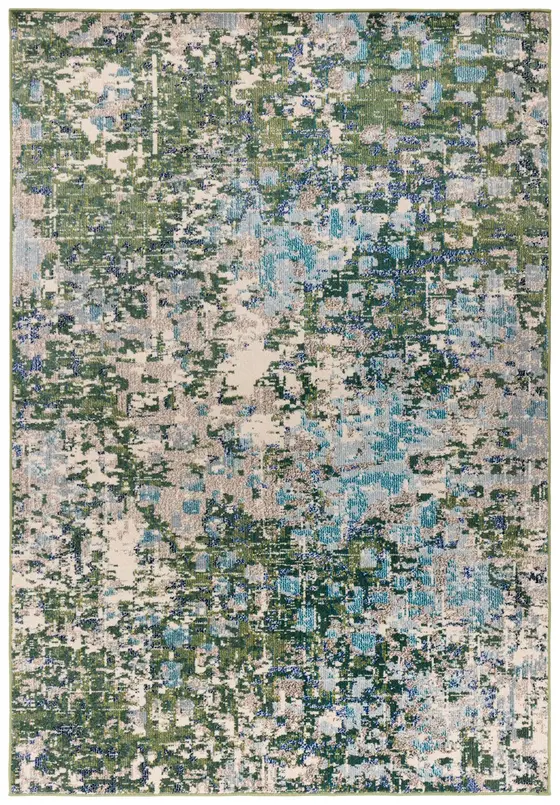
Choosing materials for conservatories
Direct sun and higher moisture levels in glazed rooms limit material choices. Polypropylene is stain-resistant and water-tolerant, making it suitable for areas where condensation or plant watering might occur. It can flatten under heavy furniture. Polyester, including recycled PET, offers similar durability with added softness in some constructions.
Wool is resilient and soil-hiding but sheds when new and absorbs moisture more readily, which can lead to issues in humid conditions. Viscose adds shine but is prone to watermarks and crushing, so avoid it in high-traffic conservatories. Blends of wool and viscose sit between these extremes and need prompt drying if damp.
Jute and sisal dislike water and can mark easily, ruling them out for most glazed extensions. For a practical balance, prioritise polypropylene or polyester rugs unless the conservatory is rarely used or well-ventilated.
Maintenance checklist
- Vacuum regularly with a beater-bar-free cleaner to avoid damaging fibres.
- Blot spills immediately with a dry cloth; polypropylene tolerates mild detergent and water.
- Rotate the rug every six months to even out sun exposure.
- Keep at least 30 cm clearance from radiators or heaters.
Browse polypropylene rugs for the most reliable performance in bright rooms.
Size and layout rules for conservatories
Follow the same spacing as other rooms: leave 30-60 cm of floor showing around the rug in standard conservatories, reducing to 20 cm in smaller ones. A rug should extend 15-30 cm beyond each end of seating. For front-legs-on layouts common in UK conservatories, a 160x230 cm rug works for two-seater sofas while a 200x290 cm suits most three-seaters. Under dining tables allow 60 cm extra on all sides so chairs remain on the rug when pulled out.
Measure the available floor space before ordering. In L-shaped conservatories consider two smaller rugs rather than one oversized piece. Runners 60-80 cm wide can define pathways between seating and doors.
Common UK sizes stocked include 120x170 cm for compact areas, 160x230 cm for standard use and 200x290 cm or 200x300 cm for larger glazed rooms. See 160x230 cm rugs and 200x290 cm rugs for suitable options.
Styles that hide wear and fading
High-low pile or carved designs disguise footprints and crushing better than uniform pile. Abstract or multicoloured patterns mask uneven fading from sunlight. Plain cream, beige or grey rugs look clean but show wear faster; textured or carved surfaces help.
Machine-woven constructions usually offer tighter, more uniform finishes than hand-tufted rugs whose glued backings can soften in humidity. Flatweaves lack pile so cannot crush but provide less cushioning underfoot.
For modern conservatories, geometric or abstract motifs in neutral tones blend with garden views. Traditional patterns can work if colours are light-fast.
Explore modern rugs or abstract rugs that combine style with practicality.
Low-Maintenance Rug types
Ultra-low pile polypropylene rugs need the least attention and dry quickly if damp. High-low shaggy styles add texture yet remain easy to vacuum. Avoid deep pile in humid rooms as they trap moisture.
Power-loomed or machine-woven rugs generally withstand temperature swings in glazed spaces better than hand-knotted alternatives. Check product pages for exact pile height and construction details.
Consider these practical examples:
- Polypropylene options in neutral shades for everyday use.
- Recycled polyester rugs for added durability.
- Wool rugs only in well-shaded conservatories where humidity stays low.
View the full range at low pile rugs.
Colour choices for bright rooms
Lighter shades such as cream, beige, ivory and pale grey reflect light and make small conservatories feel larger. Multicoloured or patterned designs hide soil and fading better than solid tones.
Blue, green and neutral palettes connect indoor and outdoor spaces visually. Avoid very dark rugs that absorb sunlight and become uncomfortably warm.
Practical neutrals appear in many collections and coordinate with most conservatory furniture. See beige rugs and cream rugs for suitable starting points.
Shopping checklist
Before buying, confirm on the product page: size, material, pile height, construction method and care instructions. Measure twice, order once. All orders to England, Wales and mainland Scotland include free tracked delivery. You have 14 days after delivery to change your mind.
Match the rug to your main furniture layout rather than the room shape alone. Test placement with paper templates if unsure about scale.
| Room Type | Recommended Size | Best Material |
|---|---|---|
| Small conservatory seating | 120x170 cm or 160x230 cm | Polypropylene |
| Standard 3-seater layout | 200x290 cm | Polyester or polypropylene |
| Dining area | Table size plus 60 cm each side | Low-pile polypropylene |
Shop the full selection via all rugs or narrow by style with Asiatic London rugs.
Frequently asked questions
Can I use a wool rug in a conservatory?
Wool rugs can be used in conservatories that receive only moderate sunlight and stay well ventilated. They are resilient but absorb moisture more than synthetics, so clean spills quickly and rotate regularly to prevent uneven fading. In very bright or humid rooms polypropylene or polyester is usually a lower-maintenance choice.
What rug size works best under a conservatory dining table?
Add at least 60 cm to each side of the table so chairs stay fully on the rug when pulled out. For a six-seater table this often means a 200x290 cm or larger rug. Measure your exact table and seating footprint before ordering.
Do polypropylene rugs fade in direct sunlight?
Polypropylene rugs resist fading better than natural fibres. Still, rotate the rug every few months and avoid placing it where it receives constant intense midday sun to maintain appearance over years.
How do I stop a rug sliding on conservatory tiles?
Most rugs benefit from a suitable non-slip underlay cut to size. On smooth tiles this prevents movement and adds comfort. Check the individual product care guidance as some low-pile polypropylene designs are stable without extra matting.
Are high pile rugs suitable for humid conservatories?
High pile rugs trap more moisture and are harder to dry, increasing the chance of mould in humid conditions. Low pile or high-low constructions are easier to keep clean and dry. Reserve deeper pile for shaded, low-traffic areas only.
Shop the guide
-
 Atlas Shaggy Rug in Emerald Green
from £59.98
-
 Atlas Shaggy Rug in Gunmetal Grey
from £59.98
-
 Atlas Shaggy Rug in Ivory Cream
from £59.98
-
 Atlas Shaggy Rug in Natural
from £59.98
Related guides
- Teen bedroom rug ideas that match their style
- Rugs that cope with parties and hosting
- Utility room rug ideas: practical and washable solutions
- Studio flat rug ideas for open-plan living and zoning
- How to choose a rug colour
- All rug guides
Questions about a specific rug? Every product page lists the maker's size, material, pile height and care details. Delivery is free and tracked to England, Wales and mainland Scotland, and you have 14 days to change your mind. See delivery and returns.