
Are rugs still in fashion?
Rugs remain a practical and stylish choice for UK homes. They define spaces, add texture and protect floors. Hard-wearing polypropylene options and resilient wool designs suit living-room, dining-room and bedroom layouts.
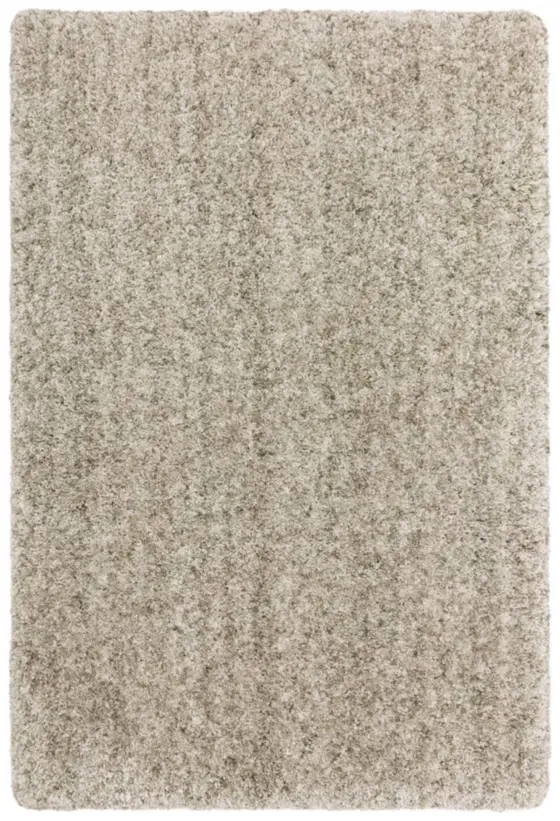
Why rugs remain popular in UK homes
Rugs solve several common interior challenges. They anchor furniture arrangements, reduce noise and make hard floors more comfortable underfoot. In most rooms, leaving 30-60 cm of floor visible around the edges creates a balanced look; in smaller rooms 20 cm is often enough. This practical approach explains why rugs appear in living rooms, dining rooms and bedrooms year after year.
Current preferences favour wool rugs for their natural resilience and soil-hiding properties, and polypropylene rugs for stain resistance and water tolerance. Both materials suit busy households and avoid the watermarking issues common with viscose.
Living room layouts that work
A front-legs-on arrangement suits most UK living rooms. A 160x230 cm rug works in smaller spaces while a 200x290 cm rug better accommodates a 3-seater sofa with 15-30 cm extending past each end. This layout keeps the rug in proportion and prevents tripping hazards.
Modern abstract patterns or plain textured designs integrate easily. Modern rugs in grey, beige or cream tones pair with contemporary furniture, while plain rugs offer versatility across changing colour schemes.
Dining room and bedroom applications
Under a dining table, allow 60 cm on every side so chairs remain fully on the rug when pulled out. Dining room rugs in low-pile or flatweave constructions prove easier to clean after meals. Jute options add natural texture but require care as they mark with water.
In bedrooms, a rug showing 50-60 cm on each side of the bed provides softness under bare feet. Bedroom rugs in cream, beige or low-pile wool offer comfort without overwhelming smaller rooms. Shaggy styles add depth but need regular vacuuming to maintain appearance.
Material choices and practical trade-offs
Wool offers resilience and is flame-resistant relative to synthetics yet sheds when new. Polypropylene tolerates spills and cleaning but can flatten over time and is not heat-resistant. Blends of polyester and polypropylene balance cost and durability for high-traffic areas.
Hand-tufted rugs feature a glued backing while flatweaves have no pile. Choose construction based on expected wear: low-pile or flatweave for dining and kitchens, medium pile for living rooms.
| Room | Recommended size | Common materials |
|---|---|---|
| Living room (standard) | 160x230 cm or 200x290 cm | Wool, polypropylene |
| Dining room | Table plus 60 cm each side | Low pile, flatweave jute |
| Bedroom | Bed plus 50-60 cm each side | Wool, polyester blends |
Current style preferences
Neutral tones dominate: grey, beige, cream and natural shades appear in most homes. Abstract and geometric patterns add interest without overpowering. Runners 60-80 cm wide remain practical for hallways and kitchens. Large rugs in 200x300 cm suit open-plan layouts.
Choosing a bold multicoloured design or a subtle textured plain, the rug should complement rather than compete with existing furniture and flooring.
Maintenance considerations
Product pages list care instructions. Vacuum regularly, rotate periodically and address spills promptly. Wool hides dirt well but benefits from professional cleaning when needed. Synthetic fibres allow spot cleaning with mild detergent and water.
Selecting the right size, material and pile height from the start reduces long-term maintenance effort.
Frequently asked questions
Do plain rugs look dated?
Plain rugs in neutral tones such as grey, beige or cream remain a practical choice. They adapt to changing colour schemes and suit both modern and traditional interiors. Textured plain designs add depth without pattern clashes.
Are wool rugs worth the extra cost?
Wool provides natural resilience, soil-hiding ability and relative flame resistance. It recovers better from foot traffic than many synthetics. For living rooms and bedrooms where comfort matters, the investment often proves worthwhile over time.
Can I use a rug in a dining room?
Yes. Choose a size that extends 60 cm beyond the table on all sides so chairs stay on the rug when pulled out. Low-pile or flatweave constructions clean more easily after meals. Polypropylene or treated wool resists stains better than untreated natural fibres.
Are shaggy rugs still fashionable?
Shaggy rugs in controlled pile heights work in bedrooms and low-traffic living areas. They add softness underfoot but require more vacuuming. Opt for recycled polyester versions that resist crushing better than older acrylic styles.
What size rug do I need for a 3-seater sofa?
A 200x290 cm rug usually suits a 3-seater with a front-legs-on layout. In smaller rooms a 160x230 cm option can work. Ensure the rug extends 15-30 cm past each end of the sofa for visual balance.
Shop the guide
-
 Amelie Lana Rug in Rust With Faded Blue Hues
from £29.98
-
 Atlas Shaggy Rug in Emerald Green
from £59.98
-
 Atlas Shaggy Rug in Gunmetal Grey
from £59.98
-
 Atlas Shaggy Rug in Ivory Cream
from £59.98
Related guides
- How to get curry and turmeric stains out of a rug
- How to Remove Ink and Felt-Tip Pen from a Rug
- How to Remove Chewing Gum from a Rug
- How to Get Mud Out of a Rug
- How to get creases out of a rug
- All rug guides
Questions about a specific rug? Every product page lists the maker's size, material, pile height and care details. Delivery is free and tracked to England, Wales and mainland Scotland, and you have 14 days to change your mind. See delivery and returns.