
Warm vs Cool Rug Colours: Which Should You Choose?
Warm rug colours (reds, oranges, yellows, terracotta and beige) make a room feel cosier and more inviting while cool tones (blues, greens, greys and creams with blue undertones) create a calmer, more spacious feel. Choose warm colours in north-facing UK rooms that receive little direct sunlight; pick cool colours in bright south-facing spaces or where you want a restful mood. The decision depends mainly on the amount of natural light, existing wall colours and the overall temperature you want the room to convey.
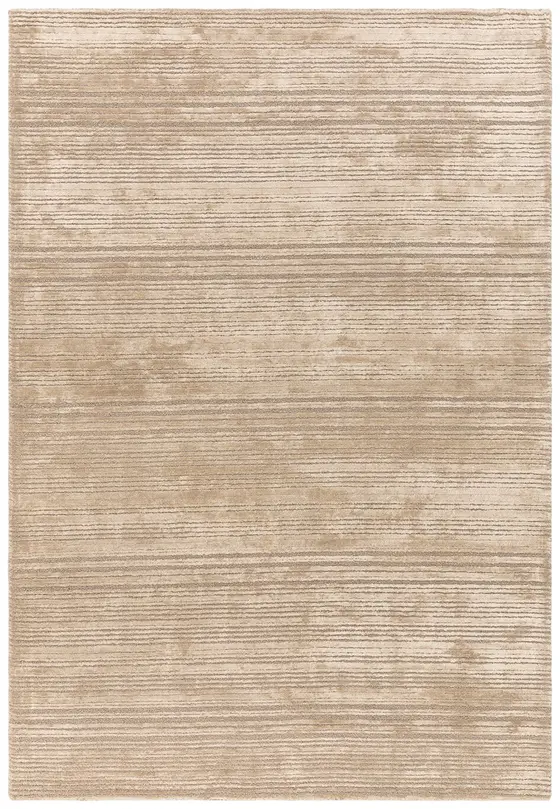
What are warm rug colours?
Warm colours sit on the red, orange and yellow side of the colour wheel. In rugs they appear as terracotta, sand, ochre, deep reds, golden yellows and beige with yellow or red undertones. These tones advance visually, making a space feel smaller yet more intimate.
In UK homes warm rugs work best in living rooms used in the evenings or in rooms with limited natural light. They pair well with wooden furniture, leather sofas and neutral walls.
Practical examples include beige rugs that hide everyday marks better than pure white.
Advantages and drawbacks
- Make north-facing rooms feel warmer and more welcoming
- Hide some marks and wear better than cool pale tones
- Can feel overpowering in small, already warm rooms
- May clash with cool wall colours such as grey or blue
What are cool rug colours?
Cool colours sit on the blue, green and violet side. Rug examples include navy, sage green, slate grey, icy blue and cream with blue undertones. These tones recede visually, helping a room feel larger and more airy.
Cool rugs suit bright, south-facing UK living rooms or bedrooms where you want a tranquil atmosphere. They work with white, grey or pale blue walls and metal or glass furniture.
Many modern designs use cool tones; see the range of grey rugs or blue rugs that remain popular for contemporary spaces.
Advantages and drawbacks
- Create a sense of space in smaller UK rooms
- Stay looking fresh in sunny conditions
- Show dust and marks more obviously on pale versions
- Can feel cold in rooms with little natural light
How room light affects your choice
North-facing UK rooms receive cooler, bluer daylight. Warm rug colours counteract this flat light and prevent the space feeling chilly. South-facing rooms get warmer, yellower sunlight; cool rug colours balance the intensity and stop the room feeling stuffy.
Test by placing large paper in the chosen colour on the floor at different times of day. Observe whether the tone still looks good under both artificial and natural light. East- and west-facing rooms change throughout the day so choose a colour that works in both conditions.
For living rooms used mainly in the evening, prioritise how the rug looks under warm artificial bulbs rather than daylight.
Matching rug colour to your décor
Decide the dominant temperature of your existing scheme first. If walls, curtains and large furniture lean warm, repeat that temperature in the rug for harmony. If they lean cool, do the same. Contrasting temperatures can work but need careful balancing – for instance a warm terracotta rug in a mainly grey room adds life without clashing when the rug also contains some grey.
In dining rooms consider how the rug colour interacts with food and tableware. Neutral warm beiges or cool greys usually create fewer visual conflicts than strong colours.
Bedrooms benefit from cooler tones for restfulness, although a warm neutral can feel cosier in winter. Follow the house sizing rule of leaving 50-60 cm of floor showing on each side of the bed.
Practical checklist:
- List the main colours already in the room
- Note whether they are mainly warm or cool
- Decide if you want to reinforce or contrast that temperature
- Check how the shortlisted rug colour looks against floor, walls and sofa at the time you use the room most
- Consider maintenance – darker warm tones and mid-tone cool greys are easier to keep clean than pale shades
How rug material influences perceived colour
Material changes how a colour reads. Wool reflects light gently and appears softer. Viscose adds shine that intensifies both warm and cool tones but is water-sensitive and prone to watermarks. Polypropylene is stain-resistant and holds colour well in both warm and cool palettes; many polypropylene rugs are available in practical shades.
Shaggy textures soften strong colours while low-pile or flatweave constructions make them appear sharper.
Practical tips for UK homes
In most living rooms follow the front-legs-on layout: choose a 160x230 cm rug in smaller rooms or 200x290 cm for a standard 3-seater sofa so the rug extends 15-30 cm past each end. Under dining tables allow 60 cm extra on all sides so chairs remain on the rug when pulled out.
For kitchens and bathrooms select water-tolerant synthetic fibres in mid-tone cool or warm neutrals that conceal marks. Outdoor rugs follow the same warm/cool rules but must use performance yarns.
When in doubt, neutral warm beige or cool grey rugs offer the safest route. Both appear in many large rugs and modern rugs that suit most UK interiors.
| Room type | Recommended temperature | Typical size | Reason |
|---|---|---|---|
| North-facing living room | Warm | 160x230 cm or 200x290 cm | Adds cosiness to cooler light |
| South-facing bedroom | Cool | 200x290 cm | Creates calm, spacious feel |
| Dining room | Either neutral | Extend 60 cm beyond table | Avoids clashing with tableware |
| Small hallway | Warm | Runner 60-80 cm wide | Makes narrow space feel wider |
Always check the product page for exact pile height, construction and care instructions before buying. Free tracked delivery applies to England, Wales and mainland Scotland with 14 days to change your mind after delivery.
Frequently asked questions
Can I mix warm and cool rug colours in one room?
Yes, but limit to one dominant temperature. Use a mainly warm rug and add cool accent cushions or vice versa. Strong contrasts work only when the rug contains small amounts of the opposite temperature, such as a warm terracotta design with cool grey details.
Do warm rug colours make a room look smaller?
They can. Warm tones advance visually so in very small UK rooms a pale cool grey or beige often feels more spacious. In average-sized rooms the difference is minor if you follow the rule of leaving 30-60 cm of floor visible around the rug.
Which rug colours hide dirt best in a busy household?
Mid-tone warm beiges, cool greys and patterned designs hide everyday marks better than pure white or very dark solids. Polypropylene and wool blends perform well because they resist staining and show less wear than viscose.
Are cool colours suitable for a cosy winter living room?
They can be if you choose mid-tone versions such as slate grey or sage green rather than icy pastels. Add warm lighting and textiles to balance the cool base. Many UK homes successfully use cool rugs year-round by layering with warmer accessories.
How do I choose between cream and ivory rugs?
Check the undertone. Warm ivory contains yellow or beige hints and suits traditional schemes; cool cream has blue or grey hints and works with modern interiors. Place samples against your walls and floor to see which reads correctly in your light.
Shop the guide
-
 Myrtle Avenue V Rug in Green
from £139.98
-
 Myrtle Avenue IV Rug in Brown & Cream
from £79.98
-
 Myrtle Avenue III Rug in Brown & Cream
from £79.98
-
 San Francisco Rug in Sage Green & Neutral
from £69.98
Related guides
- Navy blue rugs: what colours go with navy rugs in UK homes
- Blush pink rugs: styling with neutral sofas and warm floors
- Best rug colours for families with children and pets
- How to Choose a Rug for an Armchair or Reading Nook
- How to choose a rug for a living room
- All rug guides
Questions about a specific rug? Every product page lists the maker's size, material, pile height and care details. Delivery is free and tracked to England, Wales and mainland Scotland, and you have 14 days to change your mind. See delivery and returns.