
Best rug colours for families with children and pets
Mid-tone greys, beiges, taupes and soft charcoals conceal everyday dirt, paw prints and crumbs better than white, cream or black while remaining neutral enough to suit most UK living rooms. Pair them with low-pile or easy-clean constructions for practical family life.
Why colour choice matters for busy households
In homes with young children and pets, rugs face constant traffic, spills, mud and hair. Lighter shades such as pure white or cream show every mark immediately, while very dark colours like jet black can make crumbs and pet hair stand out. Mid-tone neutrals strike the right balance: they hide marks without making the room feel gloomy. In UK living rooms, where front-legs-on layouts with a 160x230 cm or 200x290 cm rug are common, these colours keep the space looking tidy between cleans.
Practicality also depends on material. Wool rugs are resilient and soil-hiding but shed when new. Polypropylene rugs tolerate water and stains well although they can flatten over time. Always check the product page for pile height, construction and care instructions.
Top rug colours that hide dirt effectively
Grey remains a forgiving choice for families. It masks dust, pet hair and light spills without showing footprints as clearly as black. Beige and natural tones blend with wooden floors and soft furnishings while concealing dried mud from paws. Taupe sits between the two, offering warmth and camouflage in equal measure. Soft charcoal works in larger rooms where a darker shade adds definition without absorbing all the light.
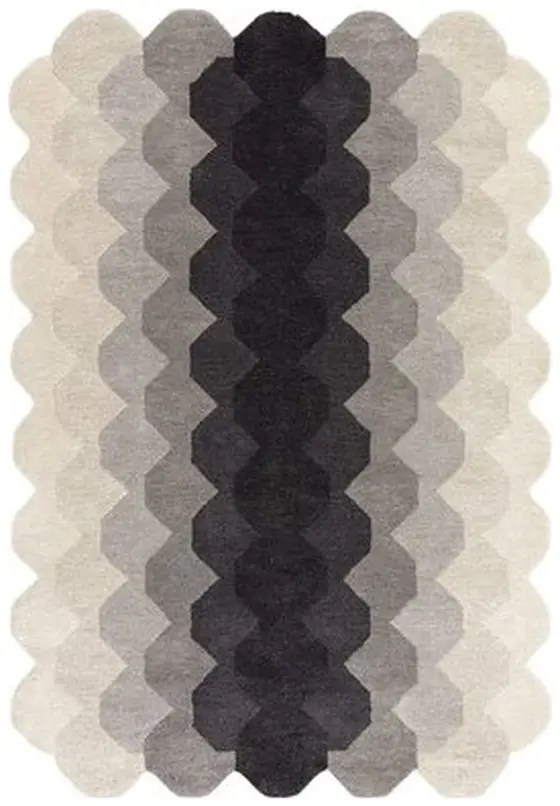
Avoid bright white or pale pastels in high-traffic play areas. Deep navy or forest green can work in smaller doses but show light-coloured pet hair more readily. Patterned or abstract designs in these mid-tones add visual interest and further disguise marks.
Grey rugs for everyday family use
Grey rugs suit most UK living rooms and play spaces. A mid-grey hides general wear while a lighter silver-grey softens the look in north-facing rooms. Look for grey rugs in wool or polypropylene blends for durability.
Beige and natural tones for warmth and camouflage
Beige rugs blend easily with oak floors and neutral sofas common in British homes. They hide sandy footprints from gardens and light pet hair better than cream. Space-dyed designs break up the surface so marks disappear into the texture.
For a similar effect with more texture, consider natural fibres in a loop weave. These work best in low-traffic zones because they dislike water. Keep them away from dining areas where spills are likely.
Choosing materials that work with family colours
Pair forgiving colours with suitable fibres. Wool offers natural resilience and is soil-hiding; it requires gentle vacuuming when new. Polypropylene withstands spills and is easy to wipe but can show crushing in high-traffic paths. Recycled polyester (PET) provides stain resistance and softness without the water sensitivity of viscose.
Low pile heights (under 12 mm) are easier to keep clean than shaggy rugs in homes with children. Flatweaves or low-loop constructions suit play areas because toys roll more smoothly and crumbs do not disappear into deep pile. Hand-tufted wool rugs with glued backings need careful handling during cleaning.
- Check pile height on every product page before buying for family rooms.
- Choose machine-woven polypropylene for kitchens or areas near patio doors.
- Select hand-tufted wool in living rooms where comfort underfoot matters more.
- Ensure the rug extends 15-30 cm beyond each end of the sofa in a front-legs-on layout.
Room-by-room colour guidance
In living rooms, a 200x290 cm rug in taupe or grey works under a 3-seater sofa with front legs on the rug and 30-60 cm of floor showing around the edges. For smaller rooms, a 160x230 cm size leaves 20 cm of border. Dining areas need a rug that extends 60 cm beyond the table on all sides so chairs remain on it when pulled out; darker beige or patterned designs hide dropped food best. Bedrooms tolerate slightly lighter shades because traffic is lower, although pet beds still demand soil-hiding tones.
Play areas benefit from abstract or geometric patterns in mid-tone colours. These break up the surface visually and disguise wear.
Maintenance tips for family rugs
Vacuum regularly on wool rugs to avoid damaging fibres. For polypropylene, a standard vacuum works well. Blot spills immediately with a clean cloth rather than rubbing. Rotate the rug every few months so wear distributes evenly. In homes with pets, a weekly quick vacuum along edges where hair collects prevents build-up. Never soak jute or viscose rugs; they mark easily with water.
Leave 30-60 cm of floor visible around the rug in most rooms. This prevents the space feeling overwhelmed and makes vacuuming edges simpler. For under-bed placements, allow about 50-60 cm to show on each side of a standard double bed.
Shop durable options in practical family sizes at polypropylene rugs, wool rugs or plain & textured rugs. Larger family layouts are well served by 160x230 cm rugs and 200x290 cm rugs.
Colour decision checklist
- Assess your room's natural light: north-facing rooms suit warmer beiges; south-facing can handle cooler greys.
- Match to existing furniture within two shades to keep the space calm.
- Factor in spill frequency: kitchens and dining need darker or patterned options.
- Check pile and construction on the product page for cleaning compatibility.
Frequently asked questions
Do patterned rugs hide dirt better than plain ones for families?
Abstract or geometric patterns in mid-tone colours break up the surface so individual marks are less noticeable. A plain mid-grey or beige still performs well, but a subtle pattern adds extra camouflage without looking busy. Check construction on the product page as low-pile woven designs are easiest to maintain.
Is wool suitable for homes with children and pets?
Wool is resilient and soil-hiding. It copes with daily traffic although it sheds when first installed. Vacuum regularly and choose low to medium pile. Wool rugs are a practical choice for living rooms where comfort matters.
What rug size works under a family sofa?
For most UK living rooms a 200x290 cm rug allows the front legs of a 3-seater sofa to sit on the rug with 15-30 cm extending past each end. In smaller rooms a 160x230 cm size is often sufficient. Leave 30-60 cm of floor showing around the edges for balance and easier cleaning.
Are polypropylene rugs good for families with pets?
Polypropylene is water-tolerant and stain-resistant, making it practical when pets track in mud or children spill drinks. It cleans easily but can flatten in heavy traffic areas. Choose low-pile versions.
Should I choose light or dark rugs for a busy family home?
Mid-tone colours such as grey, beige and taupe are the safest choice. They hide more everyday dirt than very light shades and show less pet hair than very dark ones.
Shop the guide
-
 Atlas Shaggy Rug in Gunmetal Grey
from £59.98
-
 Atlas Shaggy Rug in Silver
from £59.98
-
 Jasper Medallion Rug in Blue Cream
from £69.98
-
 Jasper Rug in Multicoloured
from £69.98
Related guides
- Warm vs Cool Rug Colours: Which Should You Choose?
- Navy blue rugs: what colours go with navy rugs in UK homes
- Best rugs for families with toddlers: soft, safe and easy-clean
- Terracotta rugs: pairing with sofas, floors and 2026 trends
- Rugs for homes with pets
- All rug guides
Questions about a specific rug? Every product page lists the maker's size, material, pile height and care details. Delivery is free and tracked to England, Wales and mainland Scotland, and you have 14 days to change your mind. See delivery and returns.