
Choosing the perfect neutral rug: beige, cream or taupe?
Beige rugs suit rooms with warm white or stone walls and wooden furniture because they add subtle warmth. Cream rugs work best in bright, north-facing spaces with cool grey or white walls where their clean tone prevents the space from feeling flat. Taupe rugs balance both by introducing gentle grey-brown depth that hides marks better in high-traffic areas.
Understanding the tones
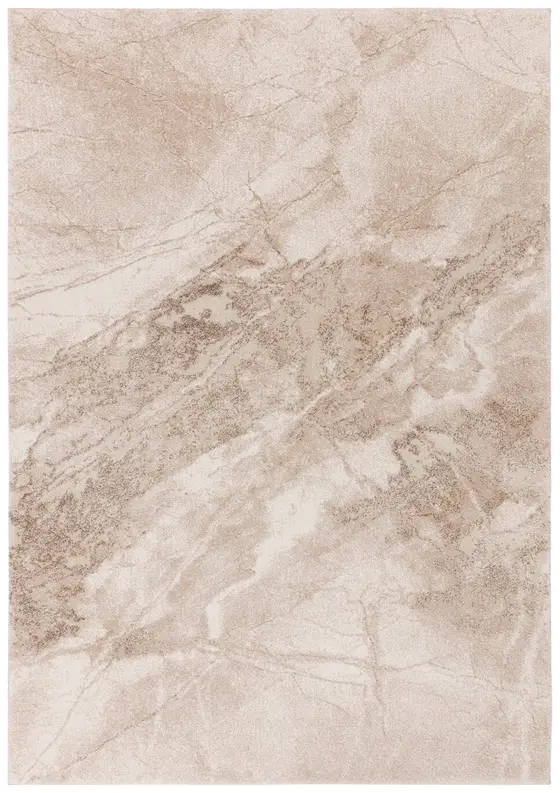
Neutral rugs in beige, cream and taupe each reflect light differently and interact with surrounding colours in distinct ways. Beige contains warm undertones of yellow or brown. Cream sits closer to pure white with minimal pigment, reflecting more light. Taupe blends grey and brown, absorbing more light and therefore looking richer against mid-tone walls.
UK homes often have magnolia or greige walls; in these settings taupe prevents the rug from disappearing while beige can look dated if the walls have strong yellow casts. Cream requires careful consideration of foot traffic because lighter shades mark more obviously on polypropylene or polyester surfaces.
How natural and artificial light changes appearance
In rooms lit mainly by north-facing windows, cream rugs stay bright and expand the sense of space. East or west light brings out the warmth in beige. South-facing rooms with strong daylight make taupe appear deeper. Artificial bulbs rated 2700K warm white enhance beige and taupe; 4000K cool white keeps cream looking fresh but can make taupe look flat.
Matching to wall colours
Pair warm beige rugs with walls in warm white or stone tones to create cohesion. Cream rugs balance strong white walls or cool greys. Taupe rugs sit comfortably against greige shades or darker taupes, preventing the room from feeling one-dimensional.
Avoid placing a yellow-tinged beige rug against pure cool white walls; the contrast creates a muddy appearance. Cream against deep charcoal walls can feel stark unless balanced by wooden furniture or textured throws. Taupe works across the widest range of wall colours but loses definition in very dark rooms unless paired with lighter furniture.
Practical test: hold paint swatches or fabric samples against the three tones in the actual room at the time of day you use it most. The tone that neither fights nor vanishes is usually correct.
Sofa and furniture coordination
A light grey sofa pairs cleanly with cream or pale taupe, especially in cream shaggy rugs that add texture. Dark brown or tan leather sofas benefit from warmer beige tones. Charcoal or navy sofas gain warmth from mid-tone taupe rugs such as the Mirage Haze Rug in Beige Grey Taupe.
In living rooms the rug should extend 15-30 cm beyond each end of the sofa. For a standard 3-seater this usually means a 160x230 cm or 200x290 cm size depending on room scale. Front-legs-on placement keeps the rug practical under coffee tables while leaving 30-60 cm of floor visible around the edges in most UK living rooms.
Dining areas require different logic. The rug must extend at least 60 cm beyond the table on all sides so chairs remain fully on the rug when pulled out. Here, low-pile or flatweave options in taupe or beige hide chair scrapes better than deep cream shag.
Bedroom use
Under a standard double bed, position the rug so 50-60 cm shows on either side and at the foot. Cream rugs create a calm, airy feel in bedrooms with white or pale blue walls but require regular vacuuming. Beige or taupe rugs hide bedtime dust and foot marks more effectively.
Avoid high-pile cream rugs beside beds if anyone walks with wet feet from an en-suite; water marks are difficult to remove from light synthetic piles.
Material and construction choices
Polypropylene rugs tolerate spills and vacuuming well, making them suitable for families. They are available in all three neutral tones but can flatten over time in high-traffic paths. Wool rugs are naturally resilient and spring back better. Jute is a plant fibre that dislikes water and can mark; sisal is harder-wearing and coarser. Viscose is soft and shiny but water-sensitive and prone to crushing and watermarks.
Hand-tufted constructions have a glued backing and suit low to medium pile. Machine-woven options offer consistency across large sizes. For rooms needing durability, choose polypropylene or polyester blends such as the Mirage Haze Rug in Beige Grey Taupe (polypropylene and polyester blend, machine woven, pile 20 mm); for comfort underfoot in low-traffic bedrooms, thicker polyester shag works well.
Common UK sizes remain consistent: 120x170 cm for small living zones or bedside, 160x230 cm for standard sofas or double beds, 200x290 cm or 200x300 cm for larger living or dining layouts. Runners 60-80 cm wide suit hallways in neutral tones that coordinate with main rooms.
| Tone | Best walls | Best sofa colours | Traffic level | Recommended materials |
|---|---|---|---|---|
| Beige | Warm magnolia, stone | Tan, light brown | Medium | Polypropylene, wool blends |
| Cream | Cool white, pale grey | Light grey, white | Low | Polyester shag, wool |
| Taupe | Greige, mid-grey | Charcoal, navy | High | Polypropylene, jute blends |
Living room layouts
Most UK living rooms suit a front-legs-on layout with a 160x230 cm rug for smaller spaces or 200x290 cm for standard rooms. This leaves 30-60 cm of floor showing and prevents the rug from dominating. In open-plan kitchens the same rug can anchor seating while a separate smaller neutral rug defines a reading corner. Living room rugs in plain neutral designs keep the focus on furniture rather than pattern.
For modern schemes, abstract textures in taupe or beige add interest without colour. Large plain rugs in 200x290 cm sizes work across multiple seating zones.
Practical care and longevity
Vacuum neutral rugs at least twice weekly; cream shades show vacuum lines more obviously on cut pile. Rotate every six months to prevent uneven wear. Polypropylene and polyester clean with mild detergent and water. New wool rugs shed when new; regular vacuuming removes loose fibres without damaging the rug. Avoid placing heavy furniture directly on deep pile shaggy rugs for long periods; use coasters or felt pads to prevent permanent crushing.
Check product pages for exact pile height, construction and care instructions before purchase. Free tracked delivery applies to England, Wales and mainland Scotland with 14 days to change your mind after delivery.
Shopping the right size and style
Measure your floor space twice. In small rooms reduce the border to 20 cm. Dining tables need the 60 cm chair clearance rule. Bedroom rugs look best when they stop short of wardrobe doors. Large rugs in neutral tones ground bigger spaces while plain and textured rugs offer versatility across rooms.
Consider wool rugs for resilience or polypropylene rugs for easy maintenance. The 160 x 230 cm rugs and 200 x 290 cm rugs cover most living and dining needs in neutral palettes.
Frequently asked questions
What is the difference between beige, cream and taupe rugs?
Beige has warm yellow or brown undertones and suits wooden furniture. Cream is closer to white, reflects maximum light and works in bright rooms but shows marks easily. Taupe mixes grey and brown, appears deeper, hides dirt better and coordinates with darker sofas or greige walls.
Which neutral rug colour is easiest to keep clean?
Taupe and mid-beige hide everyday marks and footprints better than cream. Polypropylene versions in these tones tolerate spills. Cream requires more frequent vacuuming, especially in shaggy or high-pile constructions.
Can I use a cream rug in a high-traffic living room?
Only if you choose a low-pile or tightly woven polypropylene or polyester style and accept more maintenance. For busy households, taupe or beige in durable machine-woven constructions offers better practicality while still reading as neutral.
How do I choose the right size neutral rug for my sofa?
The rug should extend 15-30 cm past each end of the sofa. A standard 3-seater usually needs 160x230 cm in smaller rooms or 200x290 cm in average UK living rooms with a front-legs-on layout. Always measure the full seating area first.
Are wool neutral rugs better than synthetic ones?
Wool is naturally resilient and springs back from foot traffic. Synthetics such as polypropylene are stain-resistant and water-tolerant but can crush and are not heat-resistant. Choose according to traffic and how much maintenance you accept.
Shop the guide
-
 Colores Cloud Gardenia CO01 Outdoor Rug in Multicoloured
from £69.98
-
 Colores Cloud Ethereal CO03 Rug in Multicoloured
from £69.98
-
 Colores Cloud Galactic CO04 Rug in Multicoloured
from £69.98
-
 Colores Cloud Digital CO05 Rug in Multicoloured
from £69.98
Shop all plain & textured rugs
Related guides
- How to Layer Neutral Rugs: Beige, Cream and Taupe Combinations
- How to use colourful rugs in neutral UK homes
- Blush pink rugs: styling with neutral sofas and warm floors
- Square vs Rectangular Rugs: Choosing the Right Shape
- What size rug do I need? A room-by-room guide
- All rug guides
Questions about a specific rug? Every product page lists the maker's size, material, pile height and care details. Delivery is free and tracked to England, Wales and mainland Scotland, and you have 14 days to change your mind. See delivery and returns.