
How to Layer Neutral Rugs: Beige, Cream and Taupe Combinations
Layering neutral rugs in beige, cream and taupe adds depth and texture by placing one rug partially over another. Start with a larger flatweave or low-pile base in light taupe or beige, then position a smaller cream or patterned neutral rug on top so that 30-60 cm of the base shows around the edges. This works on hard floors and existing carpets, creates visual interest without strong colour, and lets you adjust the layout if the room changes.
Choose the right base layer
The base rug forms the foundation and should cover most of the floor area while leaving 30-60 cm of floor visible around the edges in a standard UK living room (20 cm in a small room). For most rooms select a 200x290 cm or 160x230 cm size in a flatweave or low pile. Taupe and beige bases hide marks better than cream. Jute flatweaves add natural texture; polypropylene options tolerate spills if the room sees frequent use.
On wooden or tiled floors the base prevents the top rug from slipping when you choose a rug with a non-slip backing or add a separate gripper. In bedrooms a 200x290 cm base under the bed should show 50-60 cm on each side. Link the base to the largest piece of furniture: a 3-seater sofa usually pairs with a 200x290 cm base using a front-legs-on layout (or 160x230 cm in a small room).
Plain & textured rugs in neutral tones make reliable bases because they avoid pattern clashes when the top layer is added.
Base material considerations
- Wool bases offer resilience and are soil-hiding but shed when new.
- Polypropylene bases resist water and are easier to keep clean yet can flatten under heavy furniture.
- Jute bases provide grip on hard floors but mark if exposed to moisture, so avoid kitchens.
Select and position the top layer
The top rug should be smaller so the base remains visible as a border of 30-60 cm (20 cm in a small room). Cream tops brighten the scheme; taupe or beige tops with subtle pattern add interest without overwhelming the neutral palette.
Offset the top rug by 30-50 cm in one direction rather than centring it. In living rooms place the top rug so the front sofa legs sit on it while the back legs rest on the base. This front-legs-on layout suits most UK rooms and stops the top rug moving. In dining areas ensure the rug under the table extends at least 60 cm beyond the table on all sides so chairs remain fully on the rug when pulled out.
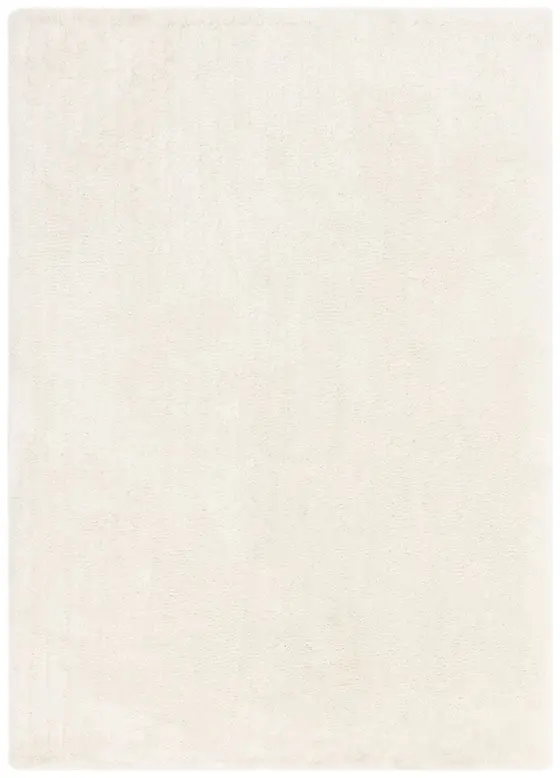
Cream shaggy rugs work well as top layers because the height contrast emphasises texture against a flatter base.
Effective beige, cream and taupe combinations
Pair a linen-cream flatweave base with a cream shaggy top for soft contrast on bedroom floors. A taupe low-pile base with a beige-and-natural patterned top adds subtle definition in living rooms. For rooms with existing carpet use a thin neutral top layer only; avoid thick shaggy tops that may crease the carpet underneath.
Three workable combinations:
- Beige natural base (low pile polypropylene) with ivory cream shaggy top – practical for families because the base tolerates spills.
- Taupe flatweave jute base with multi-cream wool top – brings natural fibres together while the wool top adds softness underfoot.
- Light cream low-pile base with taupe abstract top – creates depth on dark wood floors where the lighter base lifts the scheme.
Check the pile heights: keep the top rug higher than the base for clear separation. Product pages list exact pile height, material and construction so you can match accordingly.
Layering on different UK floor types
Hardwood and laminate floors suit almost any layering because you can add under-rug grip. Use a natural jute base for grip; avoid thick wool bases that may slide. Tiles and stone need a base with weight or a non-slip pad beneath to stop movement near doors.
Existing fitted carpets limit options. Choose a low-pile or flatweave top layer no larger than 160x230 cm so it sits flat without rippling. Never layer two thick pile rugs on carpet; the combined height makes vacuuming difficult and can damage the carpet fibres. In small rooms (under 3 m wide) reduce the border to 20 cm.
Wool rugs on carpet bases can work if the wool top is hand-tufted with a stable backing, but polypropylene tops are often more stable.
Living room and dining layouts
In living rooms a 200x290 cm taupe base with a smaller cream top creates a defined seating area. The top rug can sit entirely in front of the sofa or overlap the front legs only. For open-plan spaces use the same base across zones but change the top rug colour or texture to signal different functions.
Dining rooms need larger coverage. A 200x290 cm or 200x300 cm base allows 60 cm beyond the table on every side; a smaller top centred on it adds texture under the table while the base protects the floor around the chairs. Avoid high-pile tops in dining areas because chair legs sink in and make movement awkward.
Living room rugs and dining room rugs in neutral tones are sized specifically for these layouts.
Maintenance and practical considerations
Vacuum both layers separately each week. Rotate the top rug every three months to prevent uneven wear. On hard floors move both rugs every six months to avoid pressure marks. Cream and light beige show dirt faster than taupe, so choose machine-woven polypropylene or polyester for rooms with pets or children because they are easier to keep clean than wool or jute.
Spills on the top rug should be blotted immediately. Viscose tops are unsuitable because water leaves permanent marks. Check care instructions on each product page: most neutral polypropylene and polyester rugs can be spot-cleaned with mild detergent and water.
Hand-tufted options offer texture but the glued backings on tufted rugs can degrade if exposed to repeated moisture. Flatweave bases need less care and lie flatter under a top layer.
These dimensions follow common UK room proportions and the 15-30 cm sofa overhang rule for front-legs-on placement.
Shop neutral layering rugs
Look for machine-woven polypropylene or polyester in beige & natural rugs and cream & ivory rugs for easy-care layering. Larger sizes in large rugs provide suitable bases while smaller options from the 120 x 170 cm rugs range work well as top layers.
Frequently asked questions
Can you layer rugs on carpet?
Yes, but only with a low-pile or flatweave top rug. A thick shaggy top on carpet creates uneven surfaces, makes vacuuming harder and can damage the carpet pile over time. Limit the top rug to 160x230 cm maximum on carpeted floors.
What size difference is needed between layered rugs?
The top rug should be smaller than the base. This leaves a visible border of 30-60 cm around the edges in most rooms (20 cm in a small room). The base must still be large enough to anchor the furniture.
Which materials work best for layered neutral rugs?
Polypropylene and polyester blends are practical because they resist stains and lie flat. Wool adds softness but sheds when new. Jute flatweaves give natural texture as bases yet mark with water. Avoid viscose tops as they watermark easily.
How do you stop the top rug moving?
Choose a base with some weight or texture such as jute. Non-slip rug pads or grippers between layers help on hard floors. Offset placement rather than perfect centring also reduces movement because furniture weight holds the top rug in place.
Is layering suitable for dining rooms?
Yes when the base extends 60 cm beyond the table on all sides so chairs stay on the rug when pulled out. Keep the top rug low-pile; high-pile tops make chairs unstable. A 200x290 cm or 200x300 cm base with a smaller top in neutral tones gives practical coverage and easy cleaning.
Shop the guide
-
 Colores Cloud Gardenia CO01 Outdoor Rug in Multicoloured
from £69.98
-
 Colores Cloud Ethereal CO03 Rug in Multicoloured
from £69.98
-
 Colores Cloud Galactic CO04 Rug in Multicoloured
from £69.98
-
 Colores Cloud Digital CO05 Rug in Multicoloured
from £69.98
Shop all plain & textured rugs
Related guides
- Choosing the perfect neutral rug: beige, cream or taupe?
- Ochre and mustard rugs: best sofa and wall colour combinations
- How to use colourful rugs in neutral UK homes
- Blush pink rugs: styling with neutral sofas and warm floors
- How to layer rugs
- All rug guides
Questions about a specific rug? Every product page lists the maker's size, material, pile height and care details. Delivery is free and tracked to England, Wales and mainland Scotland, and you have 14 days to change your mind. See delivery and returns.