
Japandi Rug Style Guide: Blending Japanese and Scandinavian Design
Japandi rugs combine the clean lines and natural materials of Japanese design with the cosy practicality of Scandinavian style. Choose low-pile or flatweave rugs in neutral tones such as beige, cream, grey and soft brown, made from wool, jute or polypropylene for durability in UK homes. Place a 160x230 cm or 200x290 cm rug so that it leaves 30-60 cm of floor visible around the edges and extends 15-30 cm beyond the front legs of your sofa.
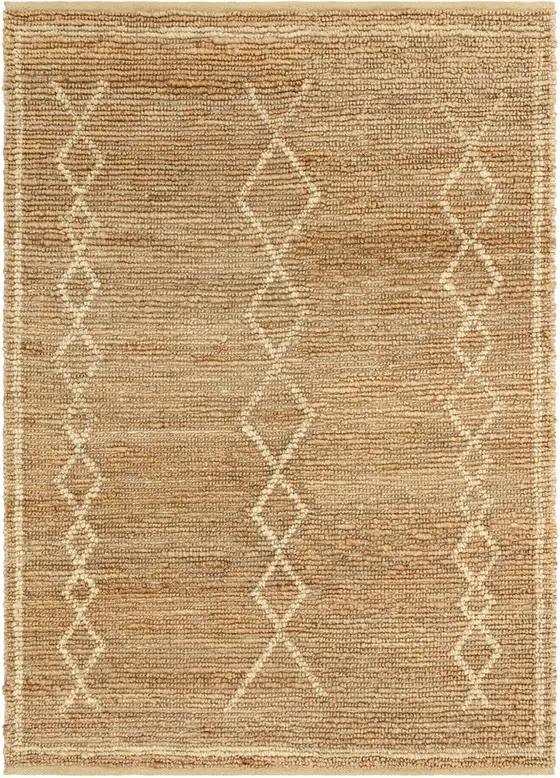
Key Japandi Rug principles
Japandi design values simplicity, natural textures and calm neutral palettes. Rugs in this style avoid busy patterns and instead use subtle texture, organic fibres and muted colours that work with pale wood floors, linen upholstery and minimalist furniture common in UK living rooms and bedrooms.
Practicality matters. UK homes often face wet shoes, pet hair and frequent vacuuming, so select materials that tolerate everyday use while keeping the serene aesthetic. Wool is naturally resilient and soil-hiding. Jute brings authentic texture but dislikes water. Polypropylene is stain-resistant yet can crush over time.
Colour rules
Stick to beige, cream, ivory, light grey and warm taupe. These tones reflect light, make rooms feel larger and pair with both light oak and darker walnut furniture. A single darker accent such as navy or rust appears only as a narrow border or small detail.
Material choices for Japandi rugs
Wool rugs deliver natural resilience and a soft feel underfoot. They suit living rooms where comfort matters. Wool rugs in plain or lightly textured weaves align perfectly with Japandi restraint.
Jute and other plant fibres give an earthy, handcrafted look. Their coarse texture adds interest without pattern. Flatweave jute rugs work well in hallways and dining areas but require immediate blotting if liquid is spilled. See the jute and natural rugs range for options with simple cotton borders.
Polypropylene and polyester blends offer easy care and good value. Modern weaving techniques create soft cut-pile surfaces that mimic wool while resisting stains. Several machine-woven beige rugs in the plain and textured rugs collection use these fibres and suit busy households.
Avoid viscose blends in high-traffic zones; they mark easily with water and crush under furniture.
Styling by Room
In living rooms, a front-legs-on layout works best. For a standard three-seater sofa choose a 200x290 cm rug so the front legs sit on the rug while the back legs remain on the floor. This creates a grounded yet spacious feel. In smaller rooms a 160x230 cm size prevents the rug from dominating.
Under dining tables allow 60 cm beyond each chair when pulled out. A 200x300 cm rug usually accommodates six chairs comfortably. Flatweave or low-pile constructions prevent tripping and allow chairs to slide easily.
Bedroom rugs look best placed so 50-60 cm shows on each side of the bed. A low-pile or flatweave option keeps the calm atmosphere and is easier to keep clean than deep shag.
Texture, pile height and construction
Low pile (under 10 mm) or flatweave rugs maintain clean lines and resist crushing. Loop or cut-loop textures add subtle interest without visual clutter. Hand-woven or power-loomed flatweaves in jute give an authentic Japandi character.
Shaggy rugs can work if the pile is uniform and neutral, but limit them to low-traffic bedrooms. The Atlas shaggy in natural offers a soft polypropylene option.
Handmade constructions bring slight irregularities that enhance the crafted feel, while machine-woven versions deliver consistency and lower cost. Both appear in current Japandi schemes.
Practical care in UK homes
Vacuum regularly with a suction-only cleaner. Rotate the rug every six months to even out wear. For wool, address spills immediately with a dry cloth then blot with mild detergent. Jute needs prompt action and minimal water. Polypropylene tolerates gentle cleaning and wipes clean easily.
Leave 30-60 cm of bare floor around the rug in most rooms. In compact spaces reduce this to 20 cm. This breathing space reinforces the minimalist Japandi ethos and prevents the rug from looking like wall-to-wall carpeting.
Japandi Rug buying checklist
- Confirm pile height under 15 mm for living and dining areas.
- Choose natural or near-neutral colours that match your floor and walls.
- Match construction to traffic: flatweave or low pile for dining, medium pile wool for living rooms.
- Measure accurately: add 15-30 cm beyond sofa front legs or 60 cm around dining tables.
- Decide between handmade character and machine-woven value.
Many UK buyers start with a beige or natural rug because it works with almost any wall colour and furniture tone. The living room rugs selection includes several Japandi-suitable plain designs in the popular 160x230 cm and 200x290 cm sizes.
| Room | Recommended Size | Best Pile | Ideal Material |
|---|---|---|---|
| Living room (standard) | 200x290 cm | Low to medium | Wool or polypropylene |
| Living room (small) | 160x230 cm | Low | Jute flatweave |
| Dining (6 chairs) | 200x300 cm | Flatweave | Jute or polyester |
| Bedroom (double bed) | 160x230 cm or larger | Low | Wool or polypropylene |
The checklist and sizing guidance help narrow choices quickly. Japandi style rewards restraint: one well-chosen rug in a natural material usually suffices per room.
Frequently asked questions
What colours define Japandi rugs?
Neutral shades dominate: beige, cream, ivory, light grey and warm taupe. These tones create calm and work with both pale and darker wood floors. Small accents of rust, navy or soft green may appear only as borders.
Is jute suitable for a Japandi living room?
Yes, when used as a flatweave or low-loop construction. Its natural texture fits the style perfectly. However, keep it away from heavy spill zones and blot any liquid immediately because jute marks easily.
Can a shaggy rug work in Japandi style?
Only if the pile is uniform, low-to-medium height and in a single neutral colour. Deep or multi-height shag disrupts the clean lines. A polypropylene shaggy in natural can add softness in a bedroom while staying true to the aesthetic.
What size rug for a three-seater sofa in Japandi style?
A 200x290 cm rug allows the front legs of the sofa to sit on it with 15-30 cm extending beyond. In smaller UK living rooms a 160x230 cm version maintains proportion and leaves 30-60 cm of floor visible around the edges.
How do wool and polypropylene compare for Japandi rugs?
Wool feels warmer, hides marks well and offers natural resilience but sheds initially and needs careful stain treatment. Polypropylene resists stains, tolerates moisture and costs less yet can flatten under heavy furniture. Both appear in plain, low-pile designs suited to the style.
Shop the guide
-
 Colores Cloud Gardenia CO01 Outdoor Rug in Multicoloured
from £69.98
-
 Colores Cloud Ethereal CO03 Rug in Multicoloured
from £69.98
-
 Colores Cloud Galactic CO04 Rug in Multicoloured
from £69.98
-
 Colores Cloud Digital CO05 Rug in Multicoloured
from £69.98
Shop all plain & textured rugs
Related guides
- Vintage Distressed Rug Guide: How to Style Worn-Look Rugs
- Traditional Rug Style Guide: Classic British and Heritage Looks
- How to Style a Striped Rug
- Scandi Rug Style Guide: How to Style a Room with Nordic Rugs
- What size rug do I need? A room-by-room guide
- All rug guides
Questions about a specific rug? Every product page lists the maker's size, material, pile height and care details. Delivery is free and tracked to England, Wales and mainland Scotland, and you have 14 days to change your mind. See delivery and returns.