
An autumn rug refresh: texture, colour and warmth
Autumn rugs bring texture, rich colour and a feeling of warmth that suits shorter days and cooler floors. The best choices combine practical materials with tones of rust, ochre, moss green, charcoal and natural beige that work with existing furniture rather than requiring a full redecorate. In most UK living rooms a 160x230 cm or 200x290 cm rug placed front-legs-on under the sofa gives the right balance of coverage and visible floor border.
Choosing autumn colours that last
Rich but practical hues work best in British homes where light levels drop quickly. Ochre, rust orange, moss green, charcoal grey and warm neutrals sit comfortably with both modern and traditional schemes. These tones hide everyday marks better than pale shades while still feeling seasonal rather than temporary.
Avoid very bright reds or oranges that can dominate small rooms. Instead look for designs that mix these colours with neutral bases. Beige and natural rugs layered with a smaller coloured piece often give more flexibility than a single bold rug.
Neutral foundations
Stone grey, cream and natural jute provide a calm base that lets you change smaller accessories as the seasons shift. The Loxley Wool Rug in Stone Grey is a good example of a resilient neutral that softens hard floors without showing every footprint.
Texture that adds warmth without bulk
Texture is the fastest way to make a room feel warmer. Boucle, low-cut pile, shaggy areas and flatweave all behave differently underfoot and with daily use.
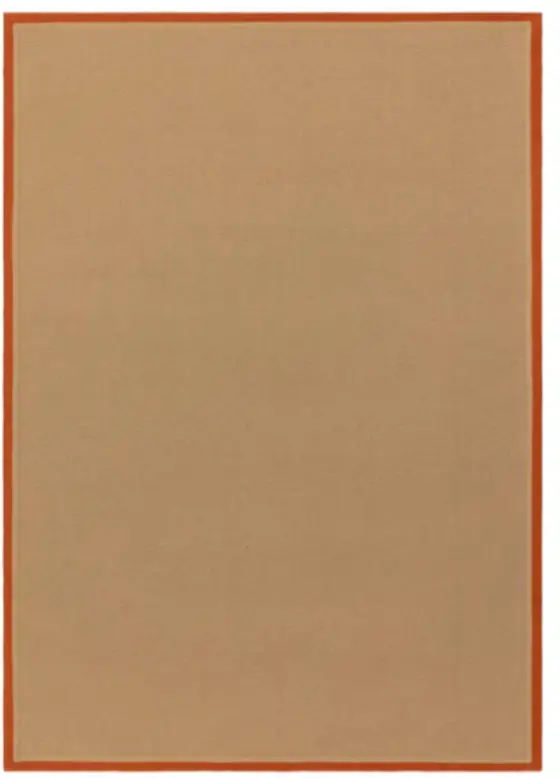
- Boucle and textured flatweaves add grip and interest without trapping crumbs; the Bordo Boucle Jute Rug in Rust Orange combines natural fibre with a defined border that frames the space.
- Low-pile wool offers resilience and soil-hiding properties while remaining comfortable for barefoot use in autumn and winter.
- Shaggy or high-pile polypropylene options feel instantly cosier but can flatten in high-traffic areas.
Wool remains the most resilient natural pile for UK homes. It springs back after compression better than most synthetics and hides dirt well. The Hive Wool Rug in Charcoal demonstrates how a textured wool design can anchor a seating area without looking heavy.
Practical materials and honest trade-offs
Each fibre has strengths and weaknesses in real homes.
Wool is naturally resilient, flame-resistant relative to synthetics and good at hiding soil, but it sheds for the first few weeks and needs more careful stain treatment. Polypropylene tolerates spills and vacuuming well yet can crush permanently in doorways. Recycled polyester offers softness and easier cleaning but shows wear faster in heavy traffic. Jute dislikes water and can mark but adds authentic texture and works well in low-spill areas.
For living rooms with children or pets, a polypropylene or polyester blend such as the Alto Shaggy Rug in Cream & Grey or Mirage Oasis Shaggy Rug in Moss Green offers easier maintenance while still delivering seasonal colour.
Sizing and layout rules that work
Leave 30-60 cm of floor visible around the rug in most rooms; reduce to 20 cm in smaller spaces. Under a sofa the rug should extend 15-30 cm past each end. A front-legs-on layout suits the majority of UK living rooms: a 3-seater sofa usually pairs with a 200x290 cm rug, or 160x230 cm in compact rooms.
In dining areas allow 60 cm beyond the table on all sides so chairs remain fully on the rug when pulled out. Bedroom rugs look balanced when they show 50-60 cm on either side of the bed.
Common sizes that fit these rules include 120x170 cm, 160x230 cm and 200x290 cm. Runners 60-80 cm wide suit hallways and kitchens where narrower coverage is needed.
Room-specific autumn updates
Living rooms benefit from larger textured rugs in warm neutrals or subtle patterns. Dining rooms need low-pile or flatweave options that allow chairs to move easily and resist crumbs. Bedrooms can take deeper pile for comfort beside the bed, while kitchens and hallways suit hard-wearing polypropylene that tolerates moisture.
The modern and abstract rugs category contains many designs that combine these practical requirements with seasonal colouring. For smaller updates, a 120x170 cm rug in the living room or a runner in the hallway can refresh the space without major cost.
Maintenance for longer life
Vacuum regularly with a suitable head. Treat spills immediately: blot, never rub. Wool rugs may need professional cleaning for heavy soiling; synthetics usually respond to mild detergent and water. Rotate rugs every few months to even out wear. Avoid placing heavy furniture on high-pile areas for long periods to prevent permanent crushing.
Product pages list exact pile height, construction and care instructions for each design.
| Material | Best for | Drawbacks |
|---|---|---|
| Wool | Resilience, warmth, soil-hiding | Initial shedding, needs careful stain removal |
| Polypropylene | Stain resistance, easy cleaning | Can crush, not heat-resistant |
| Recycled polyester | Softness, colour clarity | Shows wear in heavy traffic |
| Jute | Natural texture, grip | Water-sensitive, can mark |
Frequently asked questions
What colours work best for autumn rugs in UK homes?
Ochre, rust orange, moss green, charcoal and warm neutrals pair well with most existing furniture. These tones add seasonal depth while still hiding everyday marks better than very pale shades. Mix them with neutral bases for flexibility across seasons.
Is wool or polypropylene better for an autumn living room rug?
Wool offers better resilience and natural warmth but requires more careful cleaning. Polypropylene tolerates spills and frequent vacuuming yet can flatten over time. Choose wool for low-traffic comfort or polypropylene where durability and easy maintenance matter most.
How much floor should show around an autumn rug?
Leave 30-60 cm of bare floor around the edges in most rooms, or 20 cm in smaller spaces. This border frames the rug and prevents it from looking wall-to-wall. Measure your room and furniture before choosing size.
Can I use a shaggy rug in a dining room?
Shaggy rugs are rarely practical under dining tables because crumbs and chair legs sink in. Low-pile or flatweave designs allow easier movement and cleaning. Reserve deeper pile for living rooms or bedroom areas with lighter use.
How do I stop an autumn rug from slipping on hard floors?
Most rugs benefit from a non-slip underlay cut slightly smaller than the rug. This prevents movement without adding visible bulk. Check the product construction: flatweaves and low-pile designs usually need less grip than shaggy styles.
Shop the guide
-
 Amelie Lana Rug in Rust With Faded Blue Hues
from £29.98
-
 Atlas Shaggy Rug in Emerald Green
from £59.98
-
 Atlas Shaggy Rug in Gunmetal Grey
from £59.98
-
 Atlas Shaggy Rug in Ivory Cream
from £59.98
Related guides
- Cosy Rugs for Autumn and Winter: Warmth and Style for UK Homes
- Spring Rug Refresh: Update Your Home for the New Season
- Rugs for tiled floors: warmth, comfort and noise reduction
- Ochre and mustard rugs: best sofa and wall colour combinations
- How to choose a rug colour
- All rug guides
Questions about a specific rug? Every product page lists the maker's size, material, pile height and care details. Delivery is free and tracked to England, Wales and mainland Scotland, and you have 14 days to change your mind. See delivery and returns.