
How to Remove Nail Varnish from a Rug
Nail varnish spills on a rug can be lifted with careful blotting using non-acetone nail polish remover or a mix of white vinegar and dish soap on most wool, viscose and synthetic rugs. Always test any solution on an inconspicuous area first, work from the outside of the stain inwards, and avoid rubbing which can push colour deeper or crush pile. Prompt action gives the best chance of complete removal without leaving a watermark.
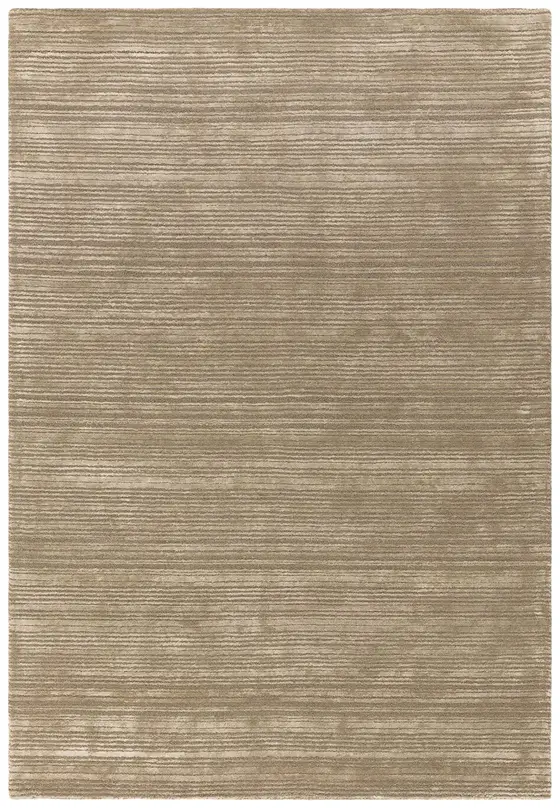
Understand the stain and your rug fibres
Nail varnish contains pigments, resins and solvents that bond quickly to rug fibres. Viscose, often labelled bamboo silk or art silk, is regenerated cellulose that looks luxurious with its soft shine yet is highly water-sensitive; any liquid can cause crushing or permanent watermarks if over-wetted. Synthetic polypropylene rugs tolerate water and most cleaning solutions but the pile can flatten under pressure and they are not heat-resistant so hot water or irons must be avoided.
Check the product page for exact material, pile height and construction before treating. Hand-tufted rugs have a glued backing that dislikes excess moisture, while flatweaves have no pile to trap the varnish. Knowing the fibre helps choose the safest method and prevents common mistakes such as saturating a viscose rug or using acetone on wool.
Gather safe supplies for UK homes
Collect these items before starting: white kitchen paper or clean microfibre cloths, non-acetone nail polish remover (ethyl acetate based), white vinegar, clear dishwashing liquid, a blunt butter knife or spoon, a soft-bristled brush, and a fan for drying. Never use acetone, methylated spirits, or coloured cloths that could transfer dye. For wool and wool and viscose rugs keep moisture to a minimum; polypropylene can handle slightly more liquid.
Work in a well-ventilated room and keep the rug flat on a hard floor rather than over carpet. If the rug is large, such as a 160x230 cm or 200x290 cm size common in UK living rooms, treat only the stained section and protect surrounding pile with dry towels.
Step-by-step removal process
Act fast. Scrape off any wet excess with the blunt edge of a knife, moving gently outwards so you do not spread the varnish. Blot, never rub. Apply a small amount of non-acetone remover to a white cloth and dab the stain from the outer edge inward. Replace the cloth frequently to avoid re-depositing colour. For wool rugs repeat blotting until no more colour lifts.
On viscose or wool-viscose blends switch to a milder mix once the bulk is removed: one teaspoon white vinegar, one teaspoon clear dish soap, and 250 ml cold water. Agitate lightly with a soft brush then blot dry immediately with fresh towels. Change to dry cloths every few seconds. For polypropylene rugs the same vinegar solution works well and the fibre is more forgiving if you need a second application.
After the colour is gone, rinse the area with a cloth dampened in plain cold water to remove any soap or vinegar residue. Blot dry thoroughly. Place a fan nearby on a low setting to speed drying; never use a hairdryer on high heat. Allow the rug to dry completely flat. Once dry, gently brush the pile back into place.
Viscose-specific tips
Viscose pile crushes easily when wet. Use the absolute minimum liquid, work in small sections, and blot dry between every application. If a watermark appears after drying, repeat the vinegar solution very lightly and dry again. Handwoven viscose rugs such as the Henley range require extra care because the construction can shift if pulled when damp.
Fibre-specific methods and trade-offs
Wool rugs respond best to the non-acetone remover followed by the vinegar mix. Wool is naturally resilient and flame-resistant relative to synthetics. The soil-hiding property helps mask any faint residue that remains. Trade-off: wool absorbs pigment more than polypropylene so complete removal can take longer.
Viscose and wool-viscose rugs need the gentlest approach. These fibres give a luxurious look and soft hand-feel but dislike water. Over-wetting leads to flattening or rings that are difficult to remove. The advantage is that fresh spills often lift cleanly if blotted within minutes.
Polypropylene rugs are the most tolerant. The fibre resists stains and water, making nail varnish easier to lift. However the pile can crush permanently if you scrub hard. Use the same steps but you can afford slightly more solution and faster blotting. These rugs suit busy homes with children or frequent entertaining.
Flatweave or low-pile rugs are simpler because there is less fibre to trap the varnish. Hand-knotted wool rugs have knots tied into warps so the stain sits more on the surface, yet the dense construction means you must be careful not to snag threads.
Common mistakes to avoid
- Using acetone-based remover on wool or viscose – it dissolves the fibres and leaves a stiff patch.
- Rubbing instead of blotting – this works the pigment deeper and can felt wool fibres.
- Over-wetting viscose – even clear water can cause permanent watermarks or crushing.
- Applying heat too soon – hairdryers or radiators set the stain and flatten pile.
- Skipping the test patch – colours can bleed even on seemingly plain rugs.
- Leaving the rug rolled or folded while damp – this creates creases and mould risk.
If the stain persists after two careful attempts, stop and consult a professional cleaner. Continuing can damage the rug beyond repair. For new rugs, check the care instructions on the product page which list material, pile height and recommended care.
Preventing future spills on rugs
Place a small mat or tray under chairs where nail varnish is used. In living rooms position rugs so they extend 15-30 cm past each end of the sofa in the popular front-legs-on layout. A 200x290 cm rug works well for most three-seater sofas; choose 160x230 cm in smaller UK rooms. Under dining tables allow 60 cm extra on every side so chairs remain on the rug when pulled out. In bedrooms leave 50-60 cm of rug showing either side of the bed.
Choose stain-resistant synthetics or low-pile wool for areas with higher risk. Regular vacuuming with a suction-only cleaner keeps fibres upright and makes future cleaning easier. Rotate the rug every six months to even out wear. For runners in hallways, the common 60-80 cm widths are practical yet still need prompt attention to any spills.
Explore our range of wool rugs, polypropylene rugs, living room rugs and large rugs to find styles that balance beauty with practicality.
When to call a professional
Large or valuable handmade rugs, persistent coloured stains, or any sign of backing damage after treatment are best handled by a specialist. Professional cleaners use controlled moisture extraction and can treat watermarks that home methods cannot shift. They also test for colourfastness on complex multicoloured designs. Keep the rug dry and covered with a clean white sheet until collection.
Following these steps protects your investment and keeps the rug looking its best for years. Prompt action, the right solution for the fibre, and thorough drying are the three keys to success.
Frequently asked questions
Can I use acetone to remove nail varnish from a wool rug?
No. Acetone dissolves wool fibres and leaves a stiff, damaged patch. Use a non-acetone remover instead and always test first. Wool rugs benefit from minimal liquid and immediate blotting to avoid setting the pigment.
How do I remove nail polish from a viscose rug without watermarks?
Blot excess immediately, then use the smallest amount of non-acetone remover on a white cloth. Follow with a very weak vinegar and dish-soap solution, blotting dry between every step. Thorough fan drying is essential to prevent rings on this water-sensitive fibre.
Will nail varnish come out of a polypropylene rug?
Yes, polypropylene is water-tolerant and stain-resistant so nail varnish usually lifts well. Use non-acetone remover or the vinegar mix, blot rather than rub, and avoid heat. The fibre forgives slightly more moisture than wool or viscose but still needs prompt treatment.
What should I do if the nail varnish stain has dried?
Scrape gently with a blunt knife then apply non-acetone remover in small amounts, working from the edges. Dried varnish is harder to remove completely, especially on wool. Multiple gentle applications and full drying between attempts give the best results. Old stains on viscose may need professional cleaning.
Is it safe to vacuum the rug straight after cleaning nail varnish?
Wait until the rug is completely dry, usually 12-24 hours with a fan. Vacuuming damp fibres can mat the pile or damage the backing on hand-tufted rugs. Once dry, use a suction-only vacuum and brush the pile gently back into place.
Shop the guide
-
 Henley Wool & Viscose Rug in Petrol Grey
from £169.98
-
 Henley Wool & Viscose Rug in Putty
from £169.98
-
 Henley Wool & Viscose Rug in Sage
from £169.98
-
 Henley Wool & Viscose Rug in Sand
from £169.98
Related guides
- How to Remove Tea Stains from a Rug
- How to Remove Slime from a Rug
- How to Remove Pet Urine from a Rug
- How to Remove Paint from a Rug
- How to remove stains from a rug
- All rug guides
Questions about a specific rug? Every product page lists the maker's size, material, pile height and care details. Delivery is free and tracked to England, Wales and mainland Scotland, and you have 14 days to change your mind. See delivery and returns.