
How to Prevent Rug Fading
Direct sunlight causes rug fading in UK homes. UV exposure breaks down dyes, especially on wool, viscose and some synthetics. Prevent fading by blocking UV at the windows, rotating the rug every three months, choosing materials such as polypropylene or recycled polyester for bright rooms, and using sheer blinds or curtains that filter light while still allowing daylight.
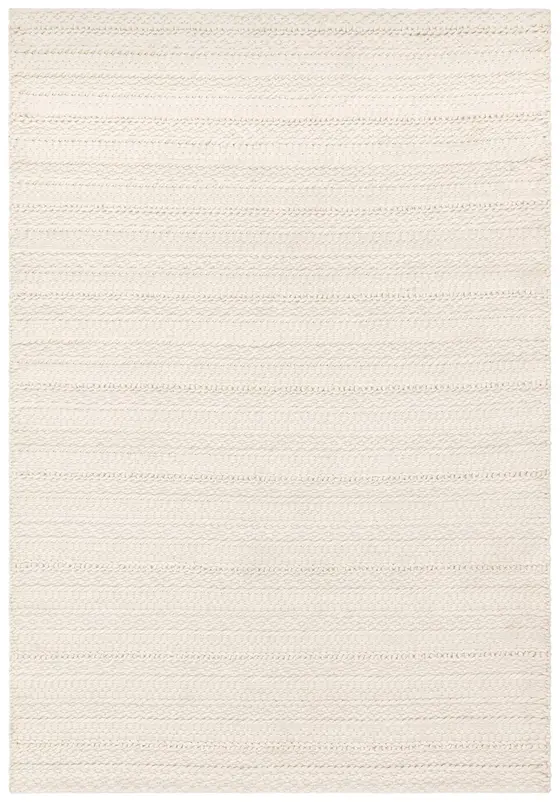
Understanding sunlight damage to rugs
In most British living rooms and bedrooms, south- or west-facing windows let in strong daylight even on overcast days. UV rays penetrate glass and attack the chemical bonds in rug dyes. Wool rugs hold colour better than viscose but still fade over time; polypropylene and recycled polyester perform best. Flatweave and low-pile constructions show fading faster than high-pile because there is less fibre depth to hide minor colour change.
Common signs include a lighter patch where a coffee table once stood or a distinct line where sunlight has hit one side of the rug for years. Once fading occurs it cannot be reversed, so prevention is the only reliable approach.
Choose materials less prone to fading
When buying a new rug for a sunny room, material choice matters more than colour. Polypropylene rugs tolerate sunlight and occasional spills without colour loss. Recycled polyester options also resist UV well and suit rooms with large windows. Wool rugs offer natural resilience but still benefit from window protection in south-facing spaces.
Viscose blends look luxurious but are the first to show watermarks and sun damage; avoid them in bright rooms. For living rooms that receive direct afternoon light, a machine-woven polypropylene or polyester rug in neutral tones will keep its appearance longer than a hand-tufted wool and viscose design.
Browse our polypropylene rugs for practical, fade-resistant options that suit busy UK households. If you prefer natural texture, wool rugs remain a good middle ground when paired with proper window coverings.
Window treatments that block UV without blocking light
Sheer voile curtains or roller blinds with a UV-filtering coating cut ultraviolet transmission while still letting daylight through. In UK homes where full blackout is impractical, a light linen curtain that can be drawn during the brightest hours protects both rug and furniture. South-facing living rooms especially benefit from external awnings or internal film applied directly to the glass.
Position sofas and coffee tables to cast natural shade over the main traffic area of the rug. In dining rooms, keep the table centred so chairs and table legs shield the edges that would otherwise receive the most direct sun. For bedrooms, floor-length curtains that reach the sill when closed prevent morning light from hitting a rug placed beside the bed.
Strategic furniture placement
Leave 30-60 cm of floor visible around the rug in most rooms so that the edges do not sit directly in the sunniest strip. In smaller rooms reduce this to 20 cm. A 160x230 cm rug works under a three-seater sofa in a compact living room with front legs on the rug; choose 200x290 cm in larger spaces. This layout naturally positions the heaviest traffic area away from the brightest window.
Daily and seasonal habits that reduce fading
Rotate the rug 180 degrees every three months so that no single area receives constant sunlight. In rooms used every day this also evens out foot traffic and vacuuming wear. Vacuum weekly with a suction-only cleaner; beater bars can pull fibres and expose undyed bases that then appear faded.
Close curtains or blinds during the brightest part of the day, typically between 11 am and 3 pm in summer. In winter the lower sun angle can reach deeper into rooms, so adjust habits from October to March. Avoid placing rugs directly in front of patio doors or large conservatory windows without additional protection.
For high-traffic areas such as hallways, choose narrower runner rugs in durable polypropylene. These can be rotated end-to-end more easily than large living-room sizes.
Cleaning methods that do not accelerate fading
Harsh chemical spot cleaners and steam cleaning can strip dyes and make faded areas more obvious. Use only the care instructions listed on each product page. Most polypropylene and polyester rugs tolerate a mild detergent solution wiped with a white cloth. Wool rugs should be professionally cleaned once every 12-18 months to remove embedded grit that can abrade fibres and expose lighter cores.
Never place a damp rug back onto a wooden floor after cleaning; trapped moisture can cause both mould and dye migration that looks like fading. Allow full drying on a waterproof sheet in a shaded area.
Long-Term protection for expensive rugs
Hand-tufted rugs represent a larger investment and deserve extra care. Place such pieces in north-facing rooms or under furniture that casts consistent shade.
Consider layering a less expensive polypropylene rug in the same size underneath a valuable piece in very sunny rooms; the cheaper layer can be replaced if it fades while the top rug stays protected. This approach works well under dining tables where chair movement adds extra wear.
Measure carefully before purchase. A rug under a dining table needs 60 cm clearance on every side so chairs remain fully on the rug when pulled out. In bedrooms allow 50-60 cm of rug showing on each side of the bed for both comfort and even light exposure.
Our living room rugs collection includes many UV-tolerant designs in popular sizes such as 160 x 230 cm rugs and 200 x 290 cm rugs. For modern interiors see our modern rugs range.
Outdoor rugs and indoor use
Rugs labelled for outdoor use use performance yarns that withstand both UV and rain. Many customers bring these inside for sunrooms or conservatories where traditional wool would fail quickly. Their recycled polyester construction stands up to the higher light levels found in glass-roofed extensions common in UK homes.
When moving an outdoor rug indoors, vacuum thoroughly to remove any grit that could scratch floors. The same rotation schedule applies; even UV-stabilised yarns last longer when not left in the same position year-round.
| Material | Fade Resistance | Best For | Maintenance Tip |
|---|---|---|---|
| Polypropylene | High | Sunny living rooms, kitchens | Vacuum weekly, rotate quarterly |
| Recycled Polyester | High | Conservatories, family rooms | Spot clean with mild detergent |
| Wool | Medium | North-facing rooms | Professional clean every 12-18 months |
| Wool & Viscose | Low | Shaded bedrooms only | Avoid direct sun completely |
Free tracked delivery is available on every order to England, Wales and mainland Scotland, with 14 days to change your mind after delivery. Check the individual product pages for exact size, pile height, construction and care instructions before purchase.
Frequently asked questions
Can faded rug colours be restored?
No. Once UV has broken the dye bonds the colour cannot be restored. Prevention through window coverings and rotation is the only effective method. Replacing the rug or covering the faded area with furniture are the practical UK solutions.
Do all wool rugs fade at the same rate?
No. Solution-dyed synthetic rugs rarely fade. Always check the construction details on the product page. A plain wool rug in a north-facing room will outlast a multicoloured viscose blend in a south-facing conservatory.
Is UV protection film on windows worth the cost?
Yes for rooms with expensive hand-tufted rugs or large south-facing windows. Clear film blocks most UV while remaining almost invisible. It also protects wooden floors and upholstery. For budget rooms, good quality curtains or blinds usually provide enough protection.
How often should I rotate a rug in a sunny room?
Every three months is the practical minimum. In very bright UK conservatories or rooms with skylights, rotate every six to eight weeks. Mark the corners with small stickers on the underside to track positions and ensure even exposure.
Are dark coloured rugs more likely to fade than light ones?
Dark and bright colours usually show fading more obviously than beige or cream. However the dye chemistry matters more than the shade. A deep navy polypropylene rug will hold colour far better than a bright red viscose design in the same sunny spot.
Shop the guide
-
 Atlas Shaggy Rug in Emerald Green
from £59.98
-
 Atlas Shaggy Rug in Gunmetal Grey
from £59.98
-
 Atlas Shaggy Rug in Ivory Cream
from £59.98
-
 Atlas Shaggy Rug in Natural
from £59.98
Related guides
- Spring cleaning rugs: deep clean guide
- Professional rug cleaning vs DIY: which is best?
- How to Wash a Washable Rug at Home
- How to get curry and turmeric stains out of a rug
- What size rug do I need? A room-by-room guide
- All rug guides
Questions about a specific rug? Every product page lists the maker's size, material, pile height and care details. Delivery is free and tracked to England, Wales and mainland Scotland, and you have 14 days to change your mind. See delivery and returns.