
Attic Bedroom Rug Ideas for Awkward Spaces and Eaves
Attic bedrooms often feature sloped ceilings and awkward angles that make standard rug placement difficult. The most effective solutions use smaller rugs or runners positioned away from the lowest eaves, low-pile or flatweave constructions that sit flush to the floor, and neutral tones that blend with irregular layouts. Measuring the usable flat floor area first and leaving 30-60 cm of exposed flooring around the rug prevents tripping hazards while making the room feel larger.
Measuring for sloped rooms
In attic bedrooms the usable floor space is rarely rectangular. Start by marking the point on each wall where the ceiling height drops below 90 cm; this line defines the practical boundary for furniture and rugs. Measure the flat central area and subtract 30-60 cm all round so the rug does not run into the slope. In narrow lofts a 120x170 cm rug often fits centrally between eaves, while larger rooms may accommodate a 160x230 cm version placed lengthways.
Use a flexible tape to check clearance under the lowest part of the slope. If the eaves begin 120 cm from the floor, position any rug at least 30 cm further into the room so that people can stand upright when stepping onto it. This rule keeps the rug functional rather than decorative only.
Common UK attic sizes
- Small loft room: 120x170 cm or 160x230 cm
- Medium conversion: 200x290 cm placed centrally
- Runner for awkward strip: 80 cm wide by required length
Small rugs are often the most practical choice because they avoid the angled walls entirely.
Choosing the right materials
Attic rooms experience greater temperature swings than ground-floor bedrooms. Materials that tolerate occasional damp and are easy to keep clean perform best. Polypropylene rugs resist water marks and are simple to vacuum, making them suitable near Velux windows where condensation can occur. Wool is resilient and soil-hiding but sheds when new, so it suits less-trafficked areas away from the door.
Viscose blends give a soft sheen but mark easily with water and crush under furniture; avoid them if the attic has poor ventilation. Flatweave or low-pile constructions sit flatter against uneven floorboards common in older lofts and reduce the risk of tripping on raised edges near slopes.
For a balance of softness and practicality, consider wool rugs with a short pile or polypropylene rugs that mimic wool texture without the maintenance.
Layout solutions for eaves
Place the bed against the tallest wall and run a rug only on the flat floor beside it. A 160x230 cm rug positioned so the long edge runs parallel to the bed keeps feet warm when getting up without extending into the slope. In rooms with eaves on both sides, two smaller rugs on either side of the bed often work better than one large piece that would buckle.
Under-bed layouts need adjustment: allow 50-60 cm of rug showing each side of the bed but stop well short of the sloped section. Runners along the centre of the room or beside storage units fill awkward corridors created by roof angles without wasting material.
Many attic owners choose bedroom rugs in plain neutral shades so the rug recedes visually and the irregular architecture feels less dominant.
Colour and pattern strategies
Light colours such as cream, beige and soft grey make small attic rooms feel larger by reflecting limited natural light from roof windows. Darker tones can anchor the space but absorb light and highlight every dust particle. Patterns that run lengthways draw the eye along the longest dimension and disguise awkward angles.
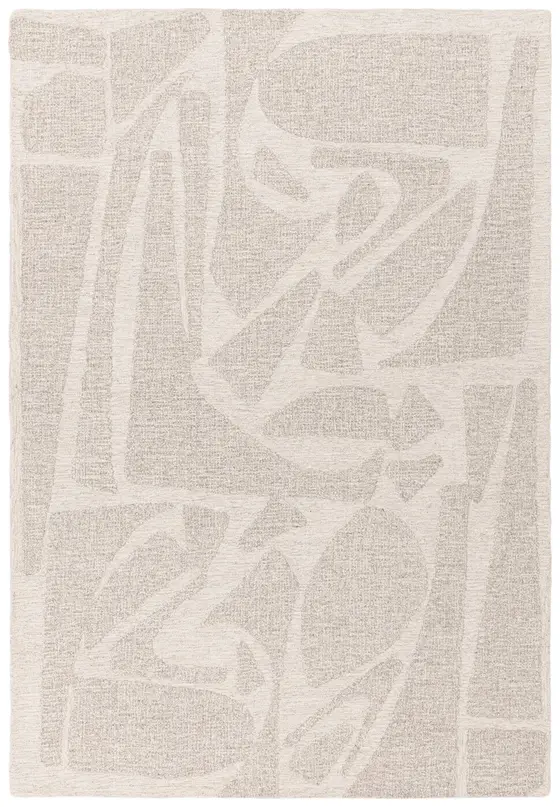
Abstract or geometric designs break up the linear effect of roof beams. Subtle textures in plain & textured rugs add interest without competing with the architectural lines. Green and blue tones work well in loft bedrooms because they echo sky and garden views often visible from dormer windows.
Practical tips for loft living
Vacuum regularly with a low-power setting to avoid stressing the backing. Rotate the rug every six months so wear is even, especially important when placed near the foot of the bed. In rooms with exposed beams, choose rugs with some give so they do not look rigid against uneven surfaces.
Keep at least 20 cm of floor visible in a small room; this breathing space stops the room feeling overcrowded. If the attic has a door that opens across the floor, select a low-pile rug that will not catch underneath.
For extra softness underfoot without bulk, layer a thin washable rug on top of a larger low-pile base, but only if both sit flat.
Shop the Look
The products below illustrate workable combinations for attic bedrooms. The Loxley Wool Rug in Chalk provides a neutral base. The Atlas Shaggy Rug in Emerald Green adds colour and texture. The Matrix 87 Arches Rug in Black offers a contemporary geometric pattern. The Opulence Shaggy Rug in Ivory Cream delivers plushness in recycled polyester.
Visit the bedroom rugs category to browse further options sized for loft rooms.
Frequently asked questions
What size rug works best in a small attic bedroom?
Measure the flat floor area then subtract 30-60 cm all round. A 120x170 cm or 160x230 cm rug usually fits centrally without reaching the eaves. In very narrow lofts two smaller rugs on either side of the bed often prove more practical than one large piece.
Should I use a shaggy rug in an attic room?
Only if placed away from slopes and doors. Shaggy rugs feel luxurious but can crush and collect dust in low-ceiling areas. Low-pile or flatweave constructions are easier to maintain and less likely to create tripping hazards near angled walls.
How do I stop a rug slipping on uneven loft floorboards?
Choose a low-pile construction that sits flat. For extra security on uneven surfaces, ensure the rug is positioned only on the level floor area.
Can I put a rug under the bed in a loft conversion?
Yes, but only on the flat section. The rug should show 50-60 cm on the accessible sides and stop well short of any slope. A 200x290 cm rug works for larger lofts; smaller rooms often suit 160x230 cm placed beside rather than fully under the bed.
What colours hide dust best in attic bedrooms?
Mid-tone beiges, soft greys and muted greens disguise everyday marks better than bright white or very dark shades. Wool and polypropylene both have good soil-hiding properties compared with viscose.
Shop the guide
-
 Atlas Shaggy Rug in Emerald Green
from £59.98
-
 Atlas Shaggy Rug in Gunmetal Grey
from £59.98
-
 Atlas Shaggy Rug in Ivory Cream
from £59.98
-
 Atlas Shaggy Rug in Natural
from £59.98
Related guides
- Teen bedroom rug ideas that match their style
- Hallway Rug Ideas and Runner Styles for Narrow Spaces
- Bedroom Rug Ideas to Make Your Room Cosy and Stylish
- Utility room rug ideas: practical and washable solutions
- Bedroom rug guide: size and placement
- All rug guides
Questions about a specific rug? Every product page lists the maker's size, material, pile height and care details. Delivery is free and tracked to England, Wales and mainland Scotland, and you have 14 days to change your mind. See delivery and returns.